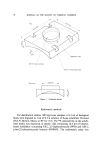
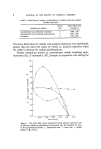
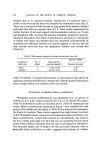
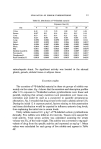
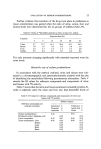
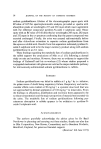
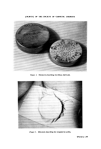
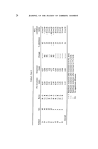
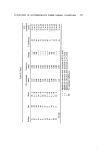
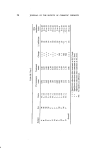
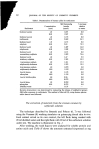
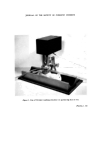
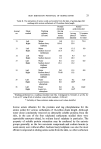
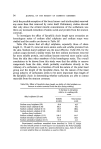
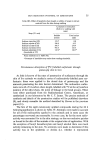
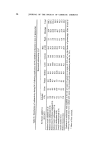
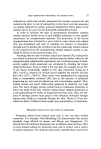
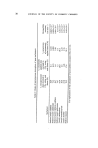
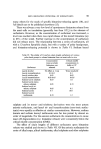
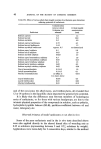
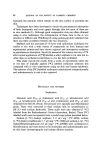
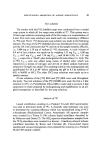
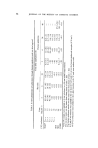
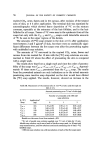
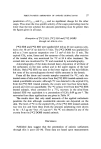
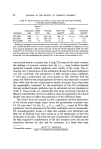
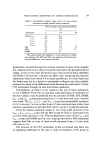
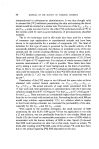
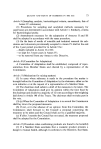
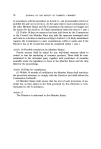
SKIN IRRITATION POTENTIAL OF SURFACTANTS Table II. The extraction of amino acids and protein from the skin of guinea-pigs after washing with various surfactants of 12-carbon chain length 33 Animal Flank Washing no. washed solution (25 m•) Protein extracted (as mg bovine serum albumin) Amino acids extracted (as mg % increase phenyl- relative alanine) to water 21 Left Water 0.0 13.1 75.0 Right Sodium laury 119.6 22.8 sulphate 3 l Left Water 0.0 13.2 8.0 Right Sodium lauroyl 52.4 14.2 isethionate 32 Left Water 0.0 9.9 6.0 Right Sodium laurate 2.6 10.5 33 Left Water 0.0 13.5 0.0 Right Sodium lauryl 22.6 13.2 triethoxy sulphate 34 Left Water 0.0 13.3 0.0 Right Sodium lauryl 75.08 13.2 monoethoxy sulphate 35 Left Water 0.0 8.2 31.0 Right Lauryl mono- 0.0 10.8' ethoxylate 36 Left Water 0.0 6.4 134.0 Right Lauryl tri- 0.0 14.9' ethoxylate Washing performed in a washing simulator (see Fig. 1) designed by Vermeer et al. (8), for 5 min at 22 ø using 20 ml of solution: area of skin washed--- 13.86 cm •. * Turbidity of these solutions make amino acid values doubtful. bovine serum albumin for the proteins and mg phenylalanine for the amino acids) for various surfactants of 12-carbon chain length. Although water alone consistently removed no detectable soluble proteins from the skin, in the case of the four sulphated surfactants studied there were appreciable amounts eluted, by sodium lauryl sulphate in particular. The property of soluble protein extraction may be conferred by the anionic groups generally, as the two non-ionic compounds and sodium laurate (a weak anion) were without effect. Sodium lauryl sulphate was also the most efficient compound at eluting amino acids from the skin, no other surfactant

Purchased for the exclusive use of nofirst nolast (unknown)
From: SCC Media Library & Resource Center (library.scconline.org)