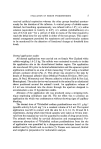
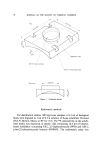
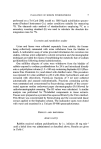
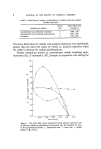
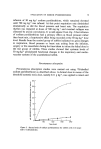
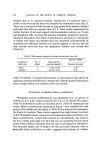
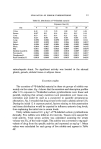
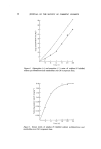
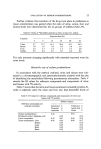
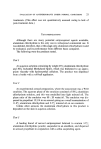
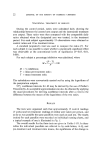
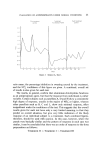
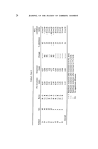
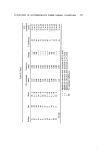
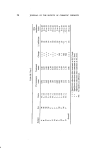
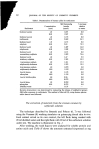
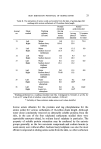
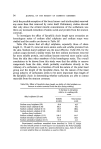
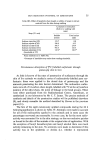
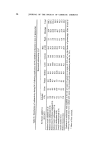
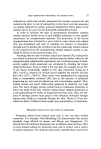
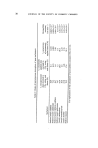
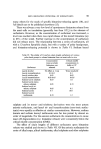
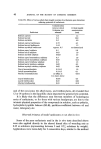
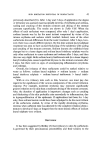
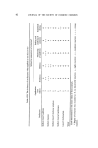
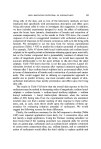
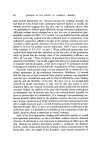
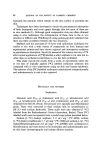
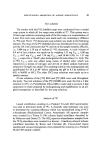
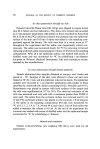
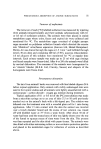
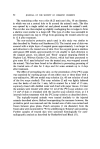
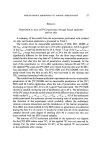
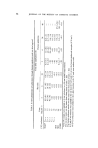
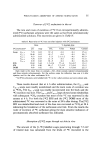
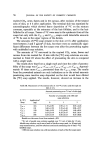
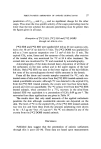
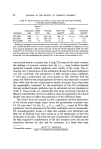
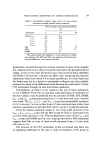
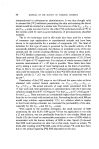
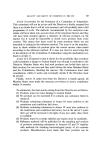
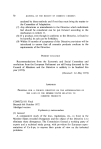
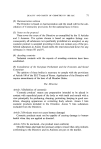
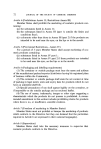
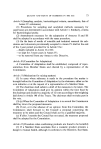
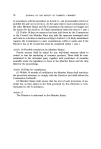
SKIN IRRITATION POTENTIAL OF SURFACTANTS Table IIIb. Eftbct of lipophilic chain length on ability of soaps to extract material from the skin during washing 35 Soap (25 mM) •o increase in extraction relative to washing with water Soluble Total amino protein acids Sodium caprylate (C8) 125.7 0.0 Sodium caprate (C10) 196.8 43.3 Sodium laurate (C12) 186.7 234.9 Sodium myristate (C14) 792.8 147.5 Sodium palmitate (C16) 147.6' 160.5* ((insoluble at 22 ø ) Assay methods as in Table Illa. * Presence of insoluble soap make these readings doubtful. Percutaneous absorption of [x•C] labelled surfactants through guinea-pig skin in vivo As little is known of the rates of penetration of surfactants through the skin of live animals we studied a series of radioactively-labelled pure sur- factants: these were applied to the dorsal skin of guinea-pigs and the amounts penetrating the skin barrier determined. The radioactive surfac- tants were all of 12-carbon chain length, labelled with •4C at the c•(1)-carbon position of the alkyl chain, the point of linkage to the head groups. These were either purchased from the Radiochemical Centre, Amersham, or synthesized in our laboratory by Mr C. T. James. The precise methods of synthesis and details of the penetration studies will be published elsewhere (9), and closely resemble the method described by Howes in the previous paper (11). The fate of the eight cutaneously applied compounds during the 24 h following application is shown in Table IV. Attempts were made to account for all of the radioactivity applied to the animals and in most cases the percentages recovered are reasonable. In every case, by far the most radio- activity was accounted for in the skin rinsings, on the non-occlusive patches or bound to the skin of the animals at the original sites of application. With the exception of lauryl hexaethoxylate and lauryl alcohol there was much activity remaining in the skin. No attempts were made to determine if this activity was in the epidermis or dermis (i.e. whether it represented

36 JOURNAL OF THE SOCIETY OF COSMETIC CHEMISTS
Purchased for the exclusive use of nofirst nolast (unknown)
From: SCC Media Library & Resource Center (library.scconline.org)