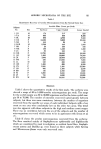
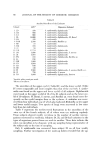
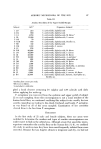
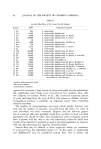
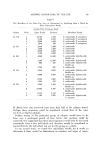
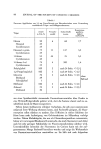
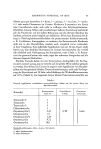
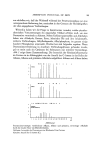
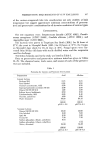
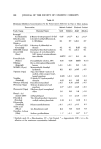
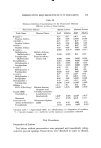
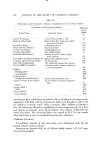
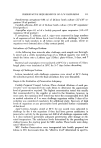
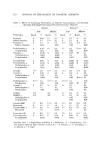
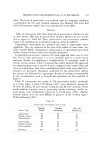
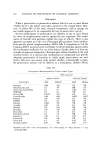
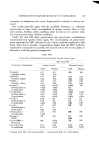
86 JOURNAL OF THE SOCIETY OF COSMETIC CHEMISTS Table II Aerobic Microflora of the Eyebrow Subject APC • Organis_ms Isolated 1 JD 170 S. epidermidis diphtheroids 2 DA 980 S. epidermidis diphtheroids 3 CA 860 S. epidemzidi• diphtheroids 4 BL 14,000 S. epidermidis diphtheroids M. flayus b 5 MS 435 S. epidermidis 6 R•_B 2,500 S. epidermidis Bacillus sp. 7 RB 20 S. epidermidis 8 MK 185 S. epidermidis diphtheroids 9 tC 50 S. epide•midi• tO MR 12.750 S. epidermidi.•' diphtheroids 11 JM 1,600 S. epide•midis diphtheroids S. aureus 12 jK 3,0½0 S. epide•midi• diphtheroids 13 PM 230 S. epidermidis diphtheroids Bacillus sp. 14 JL •00 S. epidermidis 15 DH 1,800 S. epide•midis diphtheroids 16 CN 3,900 S. epidermidis diphtheroids 17 LB •00 S. epidermidis 18 BB 140 S. epidermidis 19 PJ 5,500 S. epidermidis diphtheroids S. aureus Bacill ts 20 JP 750 S. epidermidis S. aureus 21 RN 3,000 S. epidermidis diphtheroids Sarcina •'Aerobic plate count per swab. •'Micrococcu• tiaOilS. The nficrofiora of the upper eyel:'d (Table III) and the lower eyelid (Table IV) were comparable and more complex than that of the eyebrow. S. epider- midis was found on the upper and lower eyelid of all subjects. Diphtheroids were found on the upper eyelid of 18 of the 21 subjects and on the lower eye- lid of 19 subjects. M. [lavus, S. aureus, and Bacillus sp. were found more fre- quently on the eyelid margins than on the eyebrow. A. anitratus was recov- ered from four individuals one of wh .ch also harbored Klebsiella on her upper and lower eyelid margin. Two species of fungi were recovered in low num- bers from two individuals. Table V represents the week-to-week fluctuations in the microflora of the outer eye of five female subjects, all of whom wore eye make-up regularly. These subjects showed weekly var!ations in the number of aerobic microor- ganisms recovered by swabbing. Subjects 24, 25, and 26 had variations in the types of organisms present from one •veek to another. These data indicate the outer eye microflora to be dynamic, with any sampling being representative of the subject only at the time of sampling. Only S. epidermidis was recovered from subject 23 on all four weekly samplings. Further investigation of her make-up habits revealed that she ap-

AEROBIC MICROFLORA OF THE EYE Table III Aerobic Micro flora of the Upper Eyelid Margin 87 Subject APC a Organisms Isolated 1 JD 215 S. epidermidis 2 DA 850 S. epidermidis 3 CA 4,700 S. epidermidis 4 BL 13,000 S. epidermidis 5 MS 50 S. epidermidis 6 RAB 440 S. epidermidis 7 RB 330 S. epidermidis 8 MK 1,330 S. epidermidis 9 JG 230 S. epidermidis 10 MR 90,000 S. epidermidis 11 JM 80,000 S. epidermidis 12 JK 25,000 S. epidermidis 13 PM 16,000 S. epidermidis 14 JL 600 S. epidermidis 15 DH 650 S. epidermidis 16 CN 1,300 S. epidermidis 17 LB 1,300 S. epidermidis 18 BB 4,700 S. epidermidis 19 PJ 2,000 S. epidermidis 20 JP 6,000 S. epidermidis 21 RN 20,000 S. diphtheroids diphtheroids diphtheroids M. fiavus •' diphtheroids S. aureus diphtheroids Bacillus sp. diphtheroids S. aureus' diphtheroids diphtheroids diphtheroids diphtheroids diphtheroids diphtheroids diphtheroids diphtheroids diphtheroids diphtheroids diphtheroids epidermidis diphtheroids Bacillus sp. S. aureus M. fiavus A. anitratus* Aspergillus sp. M. fiavus M. fiavus Klebsiella A. anitratus Bacillus sp. S. aureus S. aureus M. fiavus Sarcina Aspergillus sp. '•Aerobic plate count per swab. b M icrococcus flavus. " Acinetobacter antitratus. plied a facial cleanser containing 2% sulphur and 1.5% salicylic acid daily before applying her make-up. P. aeruginosa was recovered from the eyebrow and upper eyelid of subject 22 on each sampling. Since this microorganism is not a usual resident of the human facial flora, we continued swabbing this subject twice weekly for two months expanding our testing to the cheek, forehead, and hands. P. aerugino- sa was found on all of the areas sampled. Examination of her cosmetics showed them to be free from P. aeruginosa. DISCUSSION In the first study of 21 male and female subjects, three eye areas were swabbed to determine the number and types of aerobic microorganisms one niight expect to find on the orbital area. Although aware that anaerobic micro- organisms outnumber the aerobic flora on the human skin (8, 9), we confined this study to aerobes since they have been most frequently isolated from some cosmetics. Because the Los Angeles climate is temperate and dry, we had not
Purchased for the exclusive use of nofirst nolast (unknown)
From: SCC Media Library & Resource Center (library.scconline.org)