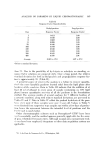
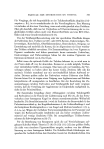
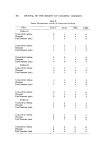
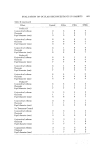
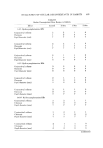
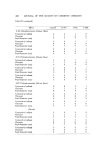
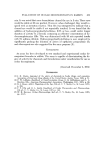
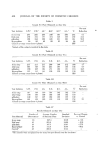
EVALUATION OF OCULAR DECONGESTANTS IN RABBITS 403 Table II (continued) Effect Control 15 Sec 1 Min 2 Min Product D Coniunctival redness 2 2 0 0 Chemosis 1 1 0 0 Pupil diameter (ram) 5 5 5 7 Conjunctival redness 2 • 0 0 Chemosis 0 0 0 Pupil diameter (ram) 5 5 5 7 Coniunctival redness 9. i 0 0 Chemosis i 0 0 0 Pupil diameter (ram) 5 5 6 7 Product E Coniunctival redness 2 2 1 0 Chemosis 0 0 0 0 Pupil diameter (ram) 7 7 7 6 Conjunctival redness 2 1 0 0 Chemosis i 0 0 0 Pupil diameter (ram) 7 7 7 7 Conjunctival redness 2 2 1 0 Chemosis I 0 0 0 Pupil diameter (mm) 6 6 6 6 Product F Coniunctival redness 2 2 2 2 Chemosis 1 i 1 Pupil diameter (ram) 7 7 7 6 Conjunctival redness 3 3 3 2 Chemosis 1 1 1 1 Pupil diameter (ram) 8 8 8 7 Conjunctival redness 2 2 2 Chemosis i i i 1 Pupil diameter (ram) 6 6 6 6 No Treatment Control Con•unctival redness 2 2 2 2 Chemosis Pupil diameter (ram) 6 6 6 6 Conjunctival redness 3 3 3 3 Chemosis 1 1 i 0 Pupil diameter (ram) 7 7 7 8 Conjunctival redness -2 -2 2 -2 Chemosis 0 0 0 0 Pupil diameter (ram) 7 7 7 7

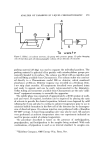
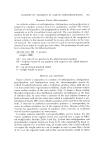
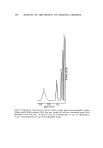
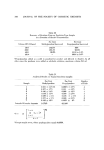
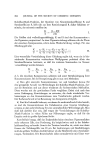
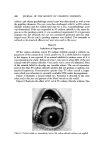
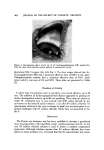
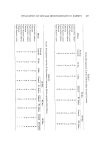
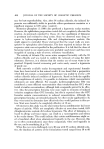
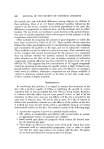
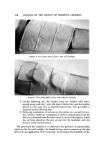
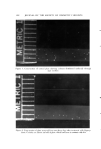
404 JOURNAL OF THE SOCIETY OF COSMETIC CHEMISTS Figure 3. Decongestant effect of 0.1 ml of 1% hydroxyamphetamine HBr preparation. Note the clear sclera and the normal pattern of con•unctival vessels. phetamine HBr. Compare this with Fig. 1. The dose ranges showed that hy- droxyamphetamine HBr had a minimum effective dose of 0.01% in the assay. Chlorpheniramine maleate had a minimum effective dose of 0.4%. Some minor activity was seen at 0.3 and 0.2%. These data are presented in Table III. Duration of Activity In these tests, formulations such as pared fine were found effective up to 30 min. The addition of hydroxypropylmethylcellulose appeared to prolong ef- fective decongestant activity up to 90 rain postdrug. These data are shown in Table IV. Untreated eyes or eyes treated with 0.9% saline showed no im- provement in the induced ocular irritation i min after 5% sodium chloride. No spontaneous clearing of the eyes or change in pupil size occurred prior to re- peated challenges with 5% sodium chloride. These data are presented in Ta- ble V. Discussion The Draize eye irritantcy test has been modified to develop a preclinical assay of preparations with superficial ocular vasodecongestant activity. In our test, 5% sodium chloride solution is used to induce a uniform conjunctival hyperemia. Although solutions greater than 2% sodium chloride have been shown to cause irritation (2), we found that the 5% concentration was neces-
Purchased for the exclusive use of nofirst nolast (unknown)
From: SCC Media Library & Resource Center (library.scconline.org)