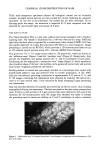
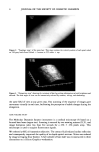
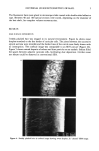
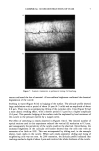
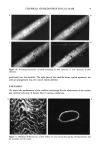
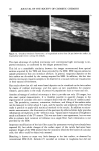
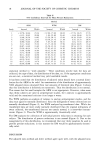
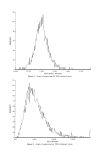
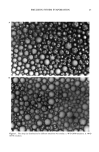
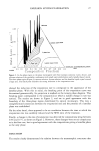
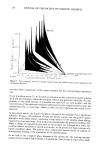
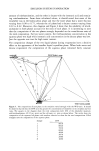
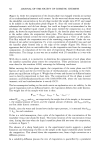
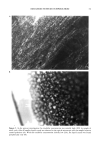
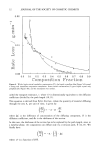
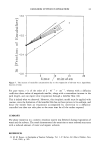
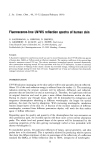
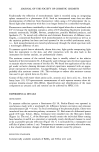
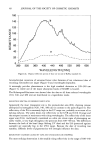
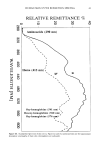
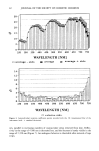
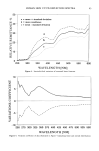
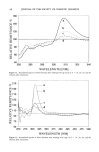
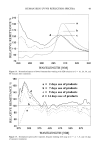
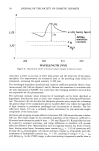
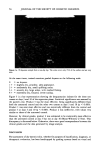
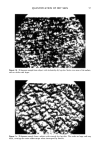
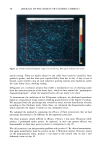
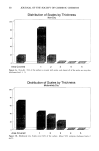
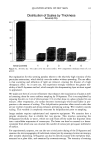
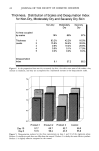
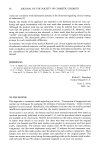
58 JOURNAL OF THE SOCIETY OF COSMETIC CHEMISTS Figure 2a. Pseudo-colored D-Squames image of a non-dry leg. Blue-green indicates thin scales. tactile scoring. These are highly subjective and suffer from excessive variability from grader to grader, and also from poor reproducibility from day to day. A day or two of humid, warm weather ruins all such subjective grading systems since hydration swells the outer horny layer, masking scaling. D-Squames are a technical advance that enable a standardized way of collecting scales from the outermost portion of the horny layer, which we have termed the "presumptive desquamating layer," where the loosened horny cells are ready to be shed. To demonstrate the usefulness of the D-Squames technique, we developed procedures based on computerized image analysis enabling quantification of the degree of scaling. We measured both the percentage area covered by scales, and the distribution of scales according to five thickness levels. From these, we calculated the desquamation index, which expresses the degree of xerosis in one intergrated value. We validated the method by comparing the efficacy of three moisturizers that we had previously determined to be different by the regression procedure. The three products clearly differed in efficacy. Product 3 was most efficacious while product 2 performed rather poorly. As expected, in each case greater efficacy was demonstrable at three days post-treatment in comparison to day 10. We call attention to an interpretation problem with product 2. By clinical examination, this agent scored better than the control on day 3 (Wilcoxon means). However, based on the desquamation index, product 2 was equal to the control only on day 3 and definitely worse on day 10.

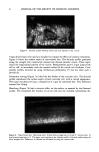
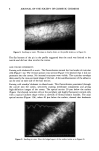
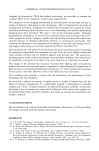
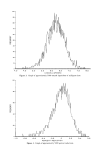
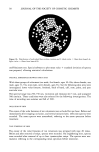
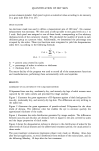
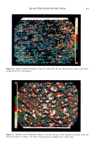
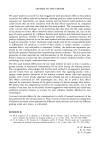
QUANTIFICATION OF DRY SKIN 59 4 Figure 2b. Pseudo-colored D-Squames image of a moderately dry leg. Red indicates larger scales inter- mingled with thin scales (green). Figure 2c. Pseudo-colored D-Squames image of a severely dry leg. Yellow signifies very thick scales and white even more so. Clearly, each field is heterogeneous in regard to size of the scales.
Purchased for the exclusive use of nofirst nolast (unknown)
From: SCC Media Library & Resource Center (library.scconline.org)