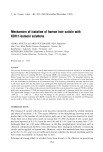
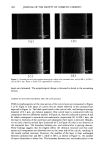
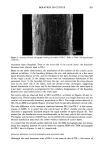
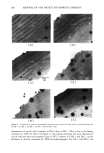
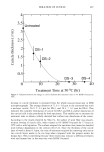
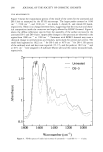
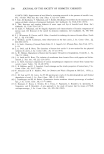
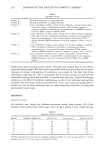
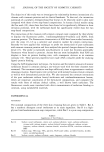
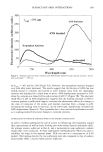
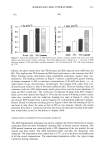
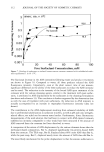
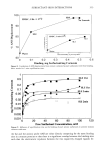
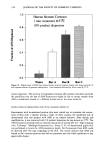
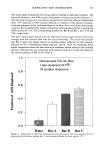
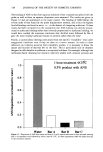
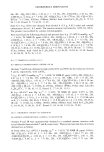
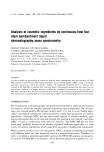
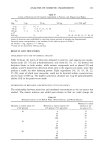
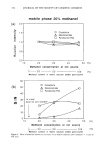
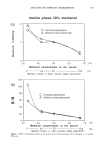
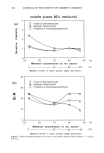
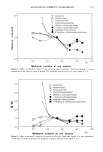
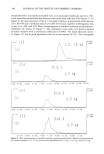
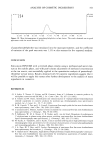
312 JOURNAL OF THE SOCIETY OF COSMETIC CHEMISTS 3 0.3 0.1 0.03 0.01 0.003 0.001 HMSC, 1 Hr. @ 37• Na Laurate 0 20 40 60 80 100 Free Surfactant Concentration, mM Figure 7. Binding of surfactants on isolated human stratum corneum measured with radiolabeled surfac- rants equilibrated 1 hr @ 37øC. The fractional decrease in the ANS intensities following water and product treatments are shown in Figure 10. Compared to water, all three products reduced the ANS fluorescence intensity. Importantly, even at the short contact time of one minute, significant differences in the ability of the three surfactants to reduce the ANS intensity can be noted. The reduction in the intensity of the bound ANS upon treatment of the corneum with the various cleansing agents, similar to the treatment with pure surfac- tants, is attributed to ANS displacement by the surfactants in the cleansing formulation (see above and reference 13). This conclusion is further supported by the observation that as with the case of treatment with pure surfactants, the reduction in ANS intensity is actually accompanied by an increase in tryptophan fluorescence intensity (data not shown). The contribution to the ANS displacement resulting from enhanced solubility of ANS due to preferential solubilization in surfactant micelies, as well as pH and ionic strength- related effects, are ruled out for reasons stated earlier. Furthermore, direct fluorescence measurements of the soak solution that had been in contact with ANS-treated corneum exhibited an intensity comparable to what would have been measured if the amount of ANS removed from the corneum had been dissolved in water. A comparison of the extent of ANS displacement by the various cleansers shows that the isethionate-based composition, Bar A, displaced significantly less protein-bound ANS from the corneum. The TEA soap, Bar B, displaced about 60% more ANS than Bar A, while the pure soap, Bar C, displaced nearly twice the amount of ANS than did Bar A. The most likely mechanism for the probe displacement is that the anionic surfactants in

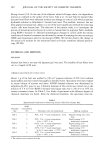
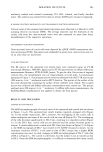
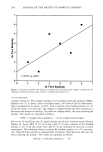
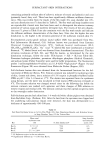
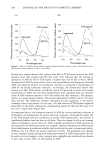
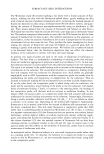
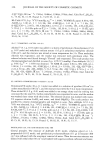
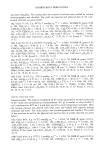
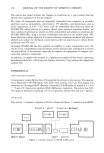
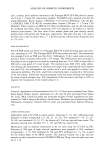
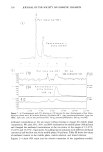
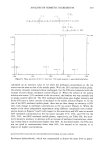
SURFACTANT-SKIN INTERACTIONS 313 lOO = 90 • 80 Z •. 7o 60 0 ß 7 •J SDS • HMSC, Laurate / SLI • _ o_. -- / 20 Water o r : lactan i,inling• ,. ,url./,n. ii& • 2 0.1 0.2 0.3 0.4 0.5 0.6 Binding, mg SurfactanUmg Corneum Figure 8. Correlation of ANS displacement from stratum corneum by pure surfactants with their binding. Inset: results for 1-min equilibration time. 0.05 0.5 I ß ß 0.2 • 0.1 •, 0.02 0.01 0.005 0.002 0.001 SLS 1 hr 1 SLI 1 hr SLS 2 min. [] [] SLI 2min 0 20 40 60 80 100 120 Free Surfactant Concentration, mM Figure 9. Influence of equilibration time on the binding of pure anionic surfactants to porcine stratum corneum surfactant. the bar and the anionic probe ANS are either directly competing for the same binding sites in corneum proteins or that there is a significant overlap between the binding sites such that the electrostatic repulsion between the two negatively charged ligands be-
Purchased for the exclusive use of nofirst nolast (unknown)
From: SCC Media Library & Resource Center (library.scconline.org)