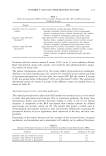
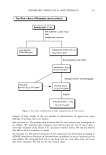
2002 ANNUAL SCIENTIFIC MEETING 221 models calibrated with the parent substances, researchers saw the creation of synthetic analogues with improved clinical performance in acne. In particular, the models developed in the NIH cancer program, based on the action to induce differentiation in a mouse teratocarcinoma cell line F9 and the reversal of keratinocytes differentiation in a Vitamin-A deprived hamster tracheal organ culture, were replaced by test systems assaying the formation of terminally differentiated human skin derived keratinocytes and the rhino mouse as an in vivo model of the comedone. The major line of research has focused on modulating cell proliferation and differentiation by retinoids. The primary lesion in acne is the micro-comedone, which forms at the orifice of the pilo-sebaceous unit by the formation of a cellular plug formed from debris which obstructs this unit. This plug consisting of corneocytes, skin lipids, and proteins rapidly build up through accelerated proliferation of the keratinocytes located at the orifice of the sebaceous unit. Bacterial colonization follows, creating, in turn, a chronic inflammatory state. Although the cause of acne is unknown, and may be related to an enhanced sebum production through hormonal imbalance, the retinoid target has been primarily viewed as an action to reverse the comedogenesis. Interestingly enough, topical retinoids have no effect on sebum production. In contrast, when 13-cis retinoic acid is given by mouth, sebum production is rapidly reduced. However, through research at the molecular level, retinoids were found to inhibit the formation of gene products regulated by AP 1, a transcription factor controlling the expression ofmetallo-proteases and strongly linked to inflammatory mechanisms and dermal matrix architecture. The anti-inflammatory pathway was also invoked to explain the action of topical retinoids in moderate acne and psoriasis. This mechanism was also related to another observation from the Kligman group in 1986 that topical application of tretinoin could diminish fine lines and wrinkles and reduce mottled hyper-pigrnentation, which are signs of photo-induced skin damage. Pharmaceutical research has produced many different dosage forms of retinoids including micro-sphere, vesicular and host -guest complexes. The retinoid armamentarium, as a group of drug products, have a combined a market value of around $700 million annually, and if the oral forms of these drugs were included, this figure would approach $1 billion annually. The combination of serendipity, rational science and astute marketing has given rise to a family of drug products that treat not only acne but may prevent skin cancer, enhance therapeutic control of type II diabetes, and benefit life- style skin disorders such as photo-induced skin damage.

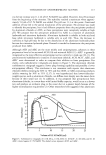
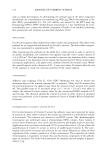
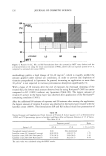
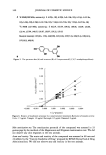
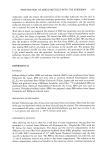
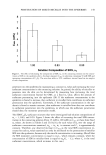
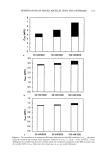
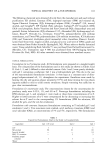
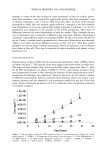
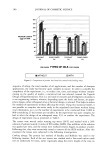
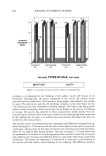
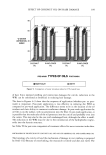
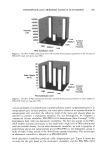
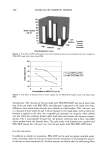
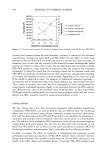
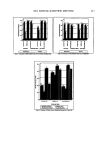
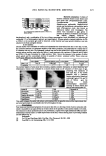
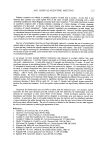
222 JOURNAL OF COSMETIC SCIENCE SYNERGIES IN COMBATING ACNE PRONE SKIN: OLEANOLIC ACID AND NORDIHYDROGUAIARETIC ACID INHIBIT 5-ALPHA REDUCTASE• KERATINOCYTE PROLIFERATION AND INFLAMMATORY RESPONSE: IN VITRO AND IN VIVO STUDIES* Claire Mas-Chamberlin, Philippe Mondon, Ph.D., Francois Lamy, Ph.D. and Karl Lintner, Ph.D. Sederma, Le Perray en Yvelines, France * This paper is being presented by Dr. Rob Comber on behalf of Sederma. Key words: oily sId• P. aches, 5a-reductase. prostaglandin Introduction Mild (i.e. non-pathological) ache and oily skin constitute a multifaceted aesthetic problem with mainly four interrelated causes and symptoms: hyperseborrhea, hyperkeratinisation, cutaneous bacterial proliferation and local inflammation. A successful approach to treat ache prone skin should take into account all four factors in a concerted manner by combining active ingredients that tackle all biochemical and physiological aspects. Hyperseborrhea is most often observed as a consequence of increased concentration of dihydrotestosterone, asteroid hormone generated by the reduction of testosterone by 5-at reductase and responsible for the stimulation of sebum production and secretion. The same hormone testosterone also leads to increased proliferation of keratinocytes (hyperkeratosls) which then causes the skin pores of the pilo-sebacious canal to clog and to the formation of microcomedos. These sites become ideal grounds for bacterial colonization. Chemicals produced and released by the microorganisms finally cause an inflammatory response that is typical of the papules, pustules and macrolesions ofacneic skin. Materials and Methods O!eanolic acid is obtained in pure form by extraction (95%) from the leaves of olive trees. NDGA is obtained either by synthesis or by extraction (95%) from Larrea divaricata. 5-c•-reductase type I assay follows the protocol of Zu-Yue (detection of NADPH Ill) and is confirmed by HPLC quantification of testosterone. Keratinocyte proliferation (neocultured human skin cells) is measured by BrdU incorporation and ELISA assay. Microbial inactivation is visualized on agar gel inoculated with 10 4 or 10 5 cfu/ml and incubated in presence or absence of the products. P. ovale is cultured in Sabouraud gel with olive oil. In vivo tests are carried out on various panels of young volunteers with informed consent. Sebum secretion is assayed with the Sebutape© method. Results and Discussion: Hyperseborrhea: Large-scale screening of plant derived pure molecules has yielded oleanolic acid as a powerful candidate for the inhibition of 5-ct-reductase type I activity. Figure I shows the concentration dependent inhibition of this enzyme by as low as 3 and 9 ppm (I and II) of oleanolic acid The synergy with NDGA (4 ppm and 12 ppm) is also 0 ' '••1 f evident from this graph, as NDGA alone has no effect on 5-a- -,0 reductase.
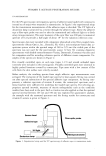
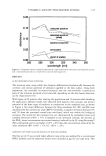
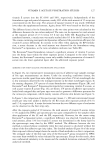
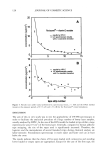
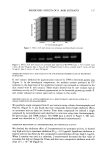
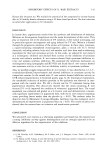
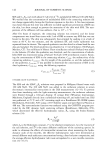
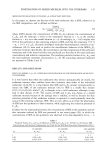
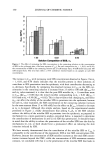
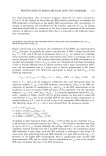
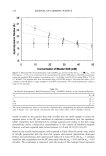
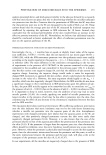
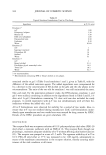
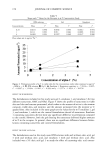
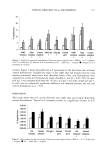
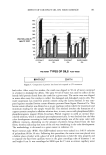
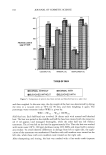
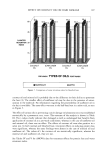
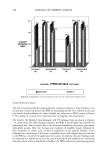
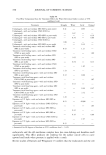
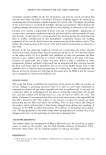
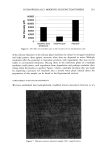
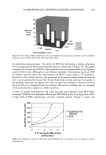
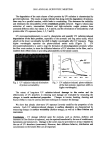
(OA). ' .3o I Hyperkeratosis: -40 I'ø^ +NO0^ I To check the rapid proliferation of keratinocytes, a growth- -so moderating molecule is needed that is, however, devoid of cytotoxicity. NDGA, by acting on the protein processing in the Golgi apparatus, and on the intrace!lular pool of ATP, has a reversin!e (and thus non-toxic) effect on keratinocyte multiplication as is shown in figure 2. Again this effect is powerful and concentration dependent. lOO 80 80 40 20 o , Control 4ppm 12ppm 13relMive growht rMeJ Fig 2: kera•3,tc 8mwth rate mdu•xt ia presence eofNDGA Inflammation: NDGA is well known for a second, intrinsically unrelated biological activity, that is as a non- steroidal cyclooxygenase inhibitor. Effects on prostaglandin synthesis (PGE2) inhibition can be seen at concentrations as low as 3 ppm, once more in concentration dependent manner (fig. 3). This in vitro observed anti-inflammatory activity is of the same order of magnitude as acetyl salicylic acid, the active ingredient of aspirin.
Purchased for the exclusive use of nofirst nolast (unknown)
From: SCC Media Library & Resource Center (library.scconline.org)