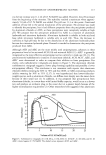
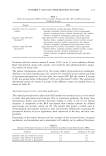
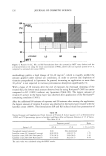
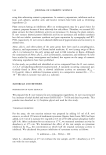
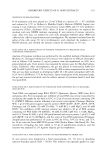
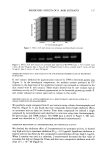
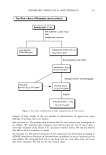
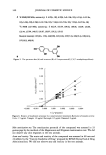
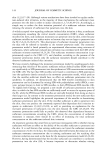
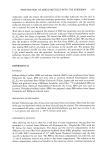
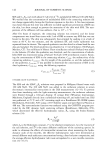
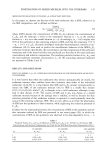
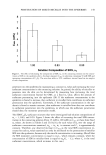
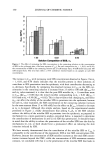
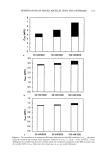
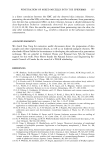
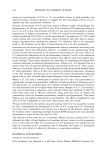
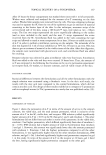
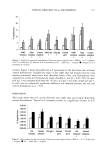
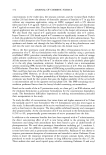
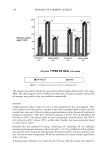
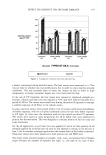
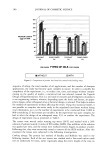
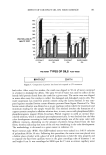
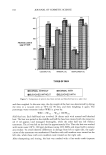
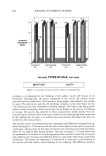
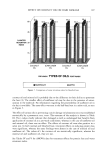
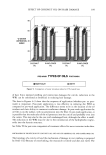
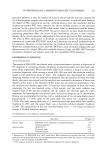
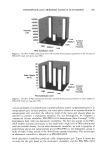
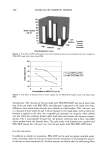
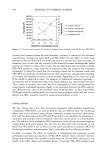
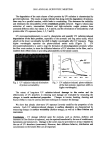
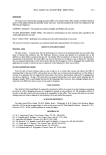
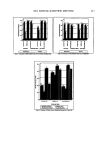
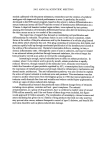
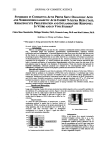
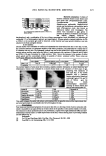
PENETRATION OF MIXED MICELLES INTO THE EPIDERMIS 153 3.5 25 mMSDS 50 mMSDS 100 mMSDS 3.0 2.5 2.0 1.5 1.0 0.5 0.0 b 1.4 ! 25 mM SDS 50 mM SDS i 100 mM SDS 1.2 0.4 0.2 0.0 c I I 25 mM SDS 50 mM SDS 100 mM SDS Figure 3. The contribution of monomeric SDS (open bars) and miceliar SDS (solid bars) to Cj,•i,, calculated using the results of the multiple linear regression analysis for: (a) ots = 1, (b) ot• = 0.83, and (c) ors = 0.50. Adding up the contributions from the two bars yields the combined contribution of the SDS monomers and the miceliar SDS to Cs,•i ,. Note that the vertical axes in a-c are scaled differently.

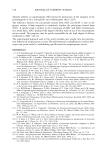
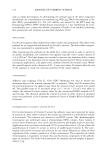
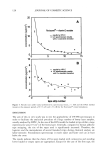
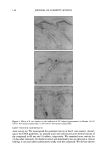
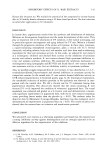
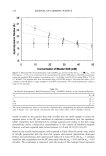
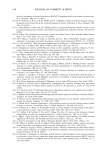
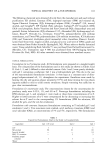
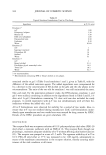
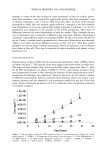
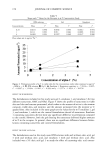
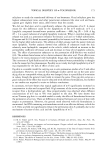
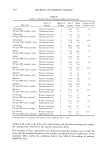
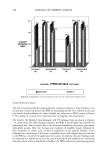
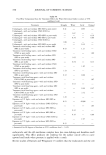
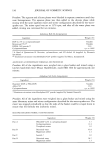
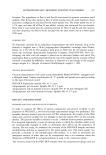
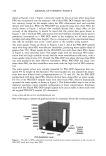
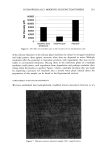
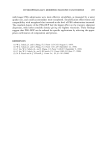
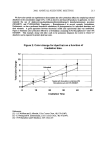
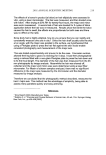
154 JOURNAL OF COSMETIC SCIENCE 29 • 27 .• 25 n, 23 E = 2'1 o '19 ß 'v 17 5 I I I I I I I I I I I I I I I I I I I I I I I I 0 10 20 30 40 50 Concentration of Miceliar SDS (mM) Figure 4. Measured effective hydrodynamic radii of SDS/C•2E 6 mixed micelies for o• m = 1 (0), o• m = 0.83 ([•), and o•,• = 0.50 (l•) as a function of the concentration of miceliar SDS (that is, the SDS concentration minus the predicted SDS toohomer concentration oqC• see Tables I and II) (30,31) using DLS at 25øC in 0.1 M NaC1. The miceliar radii were determined using a CONTIN analysis. The error bars reflect a 95% confidence interval based on eight samples at each SDS concentration. The actual hydrodynamic radius is equal to the intercept. Table III The Micelie Hydrodynamic Radii Determined Using a CONTIN Analysis of the Correlation Function O• s R H 1 20+1 0.83 24 + 1 0.50 27 + 3 The actual hydrodynamic radius of the micelie is determined by extrapolating the effective hydrodynamic radii in Figure 3 to a zero micelie concentration. The error values reflect a 95% confidence interval. model is based on the premise that only micelles that are small enough to access the aqueous pores in the SC can contribute to surfactant penetration into the epidermis. Other researchers have determined the average aqueous pore radius in the skin using permeability and/or conductivity measurements in the context of hindered-transport theories, and have reported radii values between 10 • and 28 • (9,12,43-45). Based on the micelie hydrodynamic radii reported in Table III and a purely steric model of micelie penetration into the skin that ignores electrostatic interactions (discussed below), and considering a skin aqueous pore radius of at most 28 •, the OQn = 1 micelles should be able to penetrate into the SC more easily than the OQn = 0.83 and the o•n• = 0.50 micelies. This conclusion is consistent with the results of the multiple linear regression
Purchased for the exclusive use of nofirst nolast (unknown)
From: SCC Media Library & Resource Center (library.scconline.org)