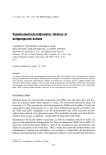
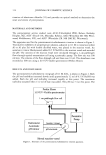
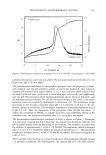
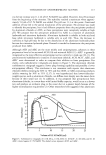
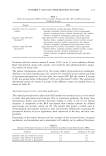
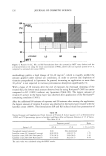
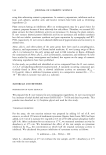
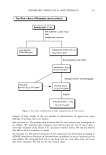
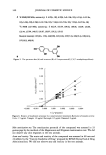
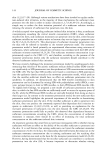
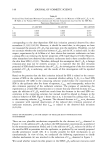
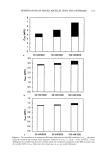
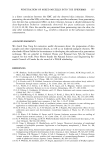
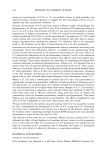
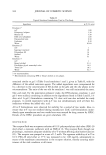
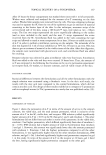
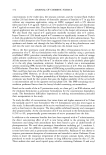
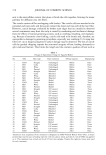
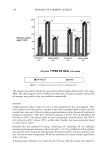
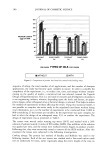
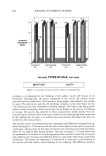
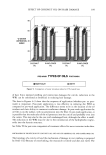
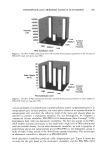
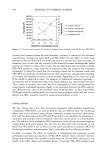
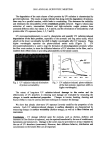
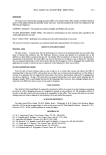
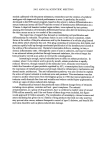
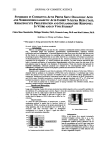
178 JOURNAL OF COSMETIC SCIENCE PROTEIN LOSS IN ug/g OF HAIR 200- 160 - 120- 80- 40- i 176 173 135&116 }92 92 86 i COCONUT OIL 17 165 i SUNFLOWER COCONUT SUNFLOWER OIL OIL OIL PRE-WASH TYPES OF OILS POST-WASH IBWITHOUT EIWITH Figure 1. Comparison of protein loss from undamaged hair. The reagents for protein estimation were obtained from Sigma Chemical Co. (St. Louis, MO). The other reagents such as buffers and salts were of analytical grade, whereas the oil samples were used as they are available commercially. METHODS Sample preparatio,. Hair tresses of 3+0.5 g were prepared for this investigation. They were secured at the root end by a crochet so that they remained firmly in place, and not a single hair came out of the tress during experimentation (either because of combing or during the procedure). They were cleaned by soaking in 0.01% (w/v) of polysorbate 80 (30 min at 28øC), de-ionized water at room temperature (several rinses), and 0.01% (w/v) of acetic acid (15 min at 28øC), in that order. Finally, they were extensively rinsed in water and air dried. Bleached hair was prepared by using a bleaching kit containing 30 vol. hydrogen peroxide and ammonia solution to adjust the pH to -10. Five milliliters of this solution was used per tress (cleaned by the procedure mentioned earlier), and the treatment time was 120 min at room temperature. With this treatment the tresses became light brown with a red tone. A boiling water treatment was carried out for 120 min. The hair tresses were placed in

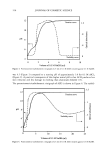
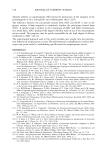
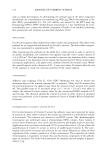
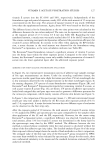
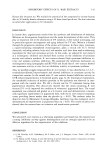
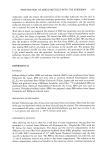
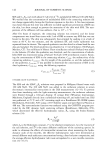
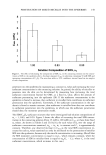
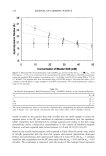
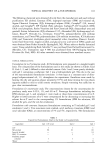
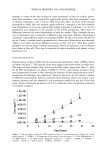
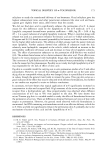
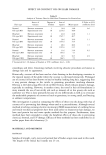
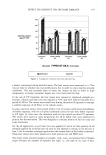
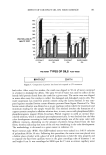
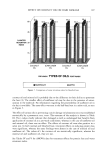
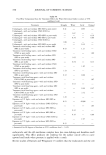
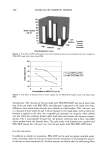
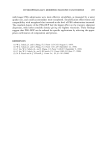
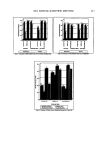
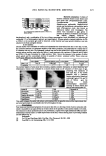
EFFECT OF COCONUT OIL ON HAIR DAMAGE 179 PROTEIN LOSS IN uglg OF HAIR 240 200 160- 120- 80 40 0 227 ..................................... COCONUT OIL 145 139 145 140 SUN FLOWER COCONUT SUN FLOWER OIL OIL OIL PRE-WASH TYPES OF OILS POST-WASH BWITHOUT DWITH Figure 2. Comparison of protein loss from bleached hair. a beaker containing boiling distilled water. The hair tresses were immersed in it. This was not done to simulate any real-world process but in order to create extreme stressful conditions. This was primarily done to assess any impact on hair in water at high temperature, as Indian consumers largely use a hot water bath for hair. In the case of UV treatment, the hair tresses were exposed to simulated sunlight in a xenostat, wherein each hair tress was exposed at 50øC and 65% relative humidity for a period of 300 hr. The tresses were turned over during the period of exposure to attempt a uniform exposure of all fibers to the radiant source. In some cases hair tresses were treated with 0.2 ml of coconut oil/mineral oil/sunflower oil before exposure, with the oil spread uniformly across the hair tress before exposure to UV light. In a few cases, the treatment with oil was carried out after UV exposure. The tresses were stored at room temperature for 48 hr before they were subjected to protein loss determination. This was designed to simulate density of hair on scalp and scalp treatments. For the oil application, to each hair tress was applied 0.2 ml of oil (the quantity of oil normally applied by an Indian hair oil user). It was allowed to remain on the hair for at least 14 hr to simulate overnight application (the normal habit of the Indian consumer). These hair tresses were then subjected to both protein loss and WRI tests. The entire study involved samples of straight, curly, wavy, and permed hair of Indian origin. Because the number of variables was high, i.e., the type of oil, type of hair,
Purchased for the exclusive use of nofirst nolast (unknown)
From: SCC Media Library & Resource Center (library.scconline.org)