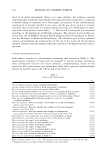
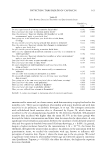
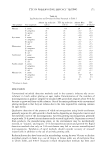
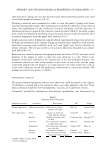
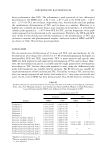
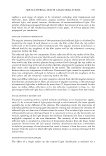
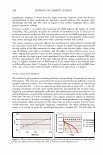
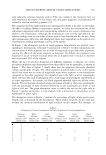
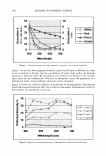
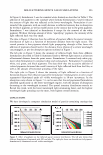
TTC IN PRESERVATIVE EFFICACY TESTING 171 Table II Log Reductions and D-values for Data Presented in Table I Alamar log reduction TTC log reduction Alamar Blue TTC Test product Test organism (24 h) (24 h) D-values* D-values* Mascara S. aureus 0.9 0.9 28 28 P. aeruginosa 6 6 3.7 3.7 B. cepacia 6 6 3.9 3.9 E. coli 6 6 3.6 3.6 Eye cream S. aureus 4 3 4.6 5.7 P. aeruginosa 6 6 3.5 3.5 B. cepacia 6 6 3.7 3.7 E. coli 6 6 3.5 3.5 Moisturizer S. aureus 6 6 3.5 3.5 P. aeruginosa 6 6 3.7 3.7 B. cepacia 6 6 3.9 3.9 E. coli 6 6 3.6 3.6 Conditioner S. aureus 6 6 3.6 3.6 P. aeruginosa 6 6 3.8 3.8 B. cepacia 6 6 4.0 4.0 E. coli 6 6 3.7 3.7 Sunless tanner S. aureus 6 6 3.6 3.6 P. aeruginosa 6 6 3.8 3.8 B. cepacia 6 6 4.0 4.0 E. coli 6 6 3.7 3.7 Mascara tint S. aureus 1 1 25 25 P. aeruginosa 3 3 6.9 6.9 B. cepacia 4 4 5.3 5.3 E. coli 2 2 10 10 * D-values in hours. DISCUSSION Conventional microbial detection methods used in the cosmetic industry rely on en- richment in broth and/or plating on agar media. Determination of the numbers of microorganisms in product samples by standard APC procedures requires about 48 h for bacteria to grow and form visible colonies. One of the major problems with conventional plating methods is that they are tedious due to the time required for counting colonies on agar media. Qualitative detection of the presence of viable microorganisms using broth enrichment generally requires 24-48 h growth in broth media, depending on the product matrix and the metabolic state of the microorganisms. Actively growing microorganisms generally require only 24-h growth in enrichment media to reach high levels. Organisms recovered from products, the manufacturing plant, or the environment may be metabolically stressed, or "injured," and require 24 h for repair/resuscitation and growth (9). Rapid detection methods that rely on 24-h enrichment may fail to recover stressed/injured microorganisms. Validation of rapid methods should consider recovery of stressed/ injured cells in addition to the use of actively growing cells. Redox indicator dyes have been used in microbiology testing for over 5 0 years to disclose microbial growth in foods (e.g., use of litmus in litmus milk, use of methylene blue in Ulrich milk), and 0.01 % resazurin in fluid thioglycollate medium has been used

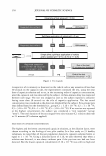
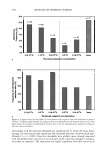
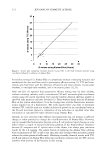
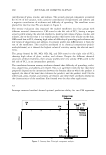
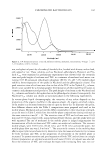
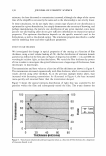
172 JOURNAL OF COSMETIC SCIENCE 35 30 ::::, 25 0 e.. (.) 20 � · 15 ::::, 1a 10 5 0 5 10 15 20 25 30 35 D-values using Alamar Blue (Hours) Figure 1. Scatter plot comparing D-values obtained using TTC in LB with D-values obtained using enrichment followed by addition of Alamar Blue. for sterility testing (11). Alamar Blue is a proprietary mixture containing resazurin and methylene blue dyes and been used in preservative efficacy testing (1). TTC and tetra- zolium salts have been used for detection of bacteria and yeast colonies in pour-plate methods, in multiple-tube methods, and in microtiter plates (12, 13 ). Orth and Eck (1) reported that preservative efficacy testing may be done reliably, without counting colonies, with a miniaturized 96-well microtiter-plate enrichment system using the initial microbial level and the highest dilution showing growth at specified time points to calculate D-values (1). These workers found that use of Alamar Blue in this system added about 2 h to the testing time, and the fluorescence measure- ments required use of a fluorometer. The work reported here was done to determine whether TTC could be used as a reliable indicator of growth in the enrichment broth in the 96-well microtiter plates by comparison of log reductions at specified times after inoculation or calculated D-values obtained using Alamar Blue. Initially, we were concerned that different microorganisms may not produce a sufficient change in redox potential to change the color/fluorescence of Alamar Blue. However, testing revealed that fermentative bacteria such as E. coli produced rapid changes in color (often within a couple of minutes following addition of the Alamar Blue). Oxidative bacteria (P. aeruginosa and B. cepacia) were a little slower, but always gave consistent results by the 2-h reading. The salient feature of replacing the Alamar Blue addition with incorporation of TTC in LB is that the pink color develops when microbial growth reduces the redox potential sufficiently. Obtaining virtually identical results with TTC in LB and addition of Alamar Blue following enrichment indicates that the TTC did not interfere with recovery of the bacteria in this testing.
Purchased for the exclusive use of nofirst nolast (unknown)
From: SCC Media Library & Resource Center (library.scconline.org)