DETECTION THRESHOLDS OF CAPSAICIN 155 identify people with sensitive skin (15 ). Cutaneous application of capsaicin leads to a short release of neurotransmitters (substance P) from peripheral nerve endings and causes the appearance of uncomfortable sensations such as itching, burning, or stinging asso- ciated or not with redness at the application site (13, 16,17). These unpleasant reactions are more frequent and more intense in self-declared sensitive-skin subjects (15 ). Both the lactic acid and capsaicin tests presented above are based on the reported sensations by the subject in terms of nature and intensity and have thus raised contro- versies owing to the use of a subjective individual pain scale. However, they have been proved to be linked with self-declared sensitive skin because reported sensations were globally stronger and more frequent in sensitive-skin subjects. This link with sensitive skin is stronger with capsaicin than with lactic acid (18). The application of a stimu- lating agent at a single dose (e.g., 10% lactic acid solution or 0.075% capsaicin emul- sion) was shown to induce painful sensations, particularly in subjects with very sensitive skin or in a Chinese population as recently reported for lactic acid (19). In 1998, another psychophysical test based on the assessment of peripheral sensitivity to thermal stimuli was suggested as a possible diagnosis of sensitive skin (20). This test involved the use of a thermal testing instrument-for example, the thermal sensory analyzer (TSA 2001) manufactured by Medoc (Ramat Yishai, Israel)-to assess the thermal functional components of cutaneous nerve endings. The device, called a ther- mode, delivered thermal stimuli capable of heating or cooling the skin. However, two recent studies showed that this promising test was of limited value in the diagnosis of sensitive skin. In a first study, the link between the detection threshold to thermal stimuli assessed by TSA and self-perceived sensitive skin was not as strong as that observed with skin reactivity to capsaicin and, to a lesser extent, with the lactic acid stinging test (18). In another study, a significant difference in the mean of cold-pain thresholds was reported between sensitive and non-sensitive self-assessed-skin subjects (21 ). This difference was too weak to consider this thermal parameter as a predictive indicator of sensitive skin. The interest in using capsaicin in the assessment of sensory skin irritation has recently been confirmed by other authors (22). In addition, the formulation of capsaicin in hydroalcoholic solution has the advantage of accelerating the action of capsaicin on the face in comparison with the previously used 0.075% capsaicin emulsion (13,18). In the present study, we used the hydroalcoholic solution of capsaicin to develop a test that combines the specific reactivity of sensitive skin to capsaicin, the simplicity of the lactic acid stinging test, and a method of detection threshold. The major goal of this large random population study was to determine if the new method had subsequent advantages in terms of painlessness and accuracy, i.e., if it would be able to rank the subjects on a large range of capsaicin concentration and provide a robust link with self-assessed sensitive skin without being associated with painful sensation. MATERIALS AND METHODS SUBJECTS A total of 150 healthy women participated in this monocenter study carried out in November 2002. Subjects ranged from 18 to 61 years of age (mean = 35). Most of them

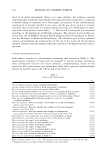
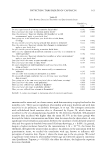
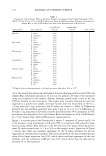
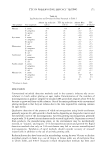
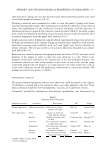
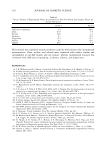
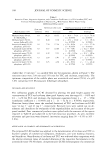
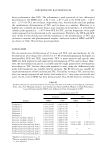
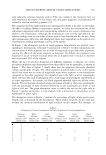
156 JOURNAL OF COSMETIC SCIENCE lived in an urban environment (Paris or its inner suburbs). No inclusion criterion concerning skin sensitivity was included. The main exclusion criteria were a suspected or known allergy to capsaicin or to chili pepper, the presence of any dermatological, neurological, or vascular disorder in test areas, and the use of any topical or systemic treatment that could modify test findings (dermocorticoids, anti-inflammatories, medi- cine with central nervous system effect, ... ). This clinical investigation was conducted according to the Declaration of Helsinki principles. The protocol received ethics ap- proval from the CCPPRB of Kremlin-Bicetre Hospital (Comite Consultatif de Protec- tion des Personnes en Recherche Biomedicale). All volunteers gave written, informed consent acknowledging the understanding of the aim of the study and the procedures involved. Subjects were also informed that they were free to withdraw from the study at any time. SENSITIVE SKIN QUESTIONNAIRE Each subject completed a questionnaire concerning skin sensitivity (Table I). This questionnaire contained 20 items and was designed to provide accurate information about self-declared sensitive skin status (existence, symptomatology, factors of skin reactivity). This questionnaire was derived from those used in previous epidemiological surveys on sensitive skin in the UK (2) and in the USA (3). Table I Sensitive Skin Questionnaire Do you regard yourself as having a sensitive facial skin? Do you consider yourself as having a facial skin prone to irritation? Do you consider yourself as having a reactive* facial skin? Do you avoid certain cosmetics that you feel may cause your facial skin to react*? Do you consider that your facial skin reacts* readily to cosmetics or toiletries? Do some cosmetics or toiletry products make your facial skin itch, sting, or burn? Have you ever experienced an adverse reaction on your face to a cosmetic or toiletry product? Does the expression "does not tolerate cold weather or a cold environment" apply to your facial skin? Does the expression "does not tolerate hot weather or a hot environment" apply to your facial skin? Does the expression "does not tolerate fast changes in temperature" (e.g., going into a warm shop from a cold street) apply to your facial skin? Does going out in the wind cause your facial skin to itch, burn, or sting? Does going out in the sun cause your facial skin to itch, burn, or sting? Does your facial skin react* to air pollution? Does your facial skin react* to your monthly cycle? Does your facial skin react* to alcoholic drinks? Does your facial skin react* to spicy food? Does your facial skin react* to emotion and/or stress? Have you ever suffered from eczema or dermatitis? Did you suffer from eczema or dermatitis as a child? Have you ever suffered from asthma or hayfever? Subjects had to respond "yes" or "no." The incidence of positive responses is shown for all items. * Stinging, burning, or itching sensation associated or not with redness. Yes 65.3% 43.3% 58.7% 36.7% 33.3% 42.0% 32.0% 58.0% 27.3% 50.7% 55.3% 34.0% 20.7% 29.3% 20.7% 14.7% 48.0% 12.7% 10.0% 12.7%
Purchased for the exclusive use of nofirst nolast (unknown)
From: SCC Media Library & Resource Center (library.scconline.org)