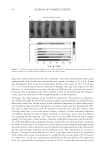
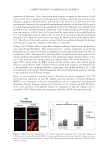
JOURNAL OF COSMETIC SCIENCE 50 and structure to the dermal–epidermal junction (DEJ) (25), the effect of acetyl tetrapeptide-3 on type VII collagen synthesis was evaluated on human skin explants. Four human skin explants were obtained from abdominal part of patients undergoing plastic surgery (Caucasian women, 35–45 years old) and maintained in culture. On day 1, a corticoid cream (Diprosone® with 0.05% betamethasone) was applied at the surface of the skin explants to induce skin atrophy as seen in aging (26). Acetyl tetrapeptide-3 was then added to the culture media for 2 days at 10−5 M concentration (equivalent to 5 ppm). On day 3, the skin explants were prepared for specifi c collagen VII immunohistological labeling using Avidin-Biotin Complex ABC Peroxidase Kit (Vector Laboratories Burlingame, CA, USA) and revealed by AEC substrate (brown color). Visual scoring of collagen VII expression (n = 4) was performed, using a scale ranging from 0 (negative) to 4 (maximum) defi ned as follows: 0, absence of the protein 1, slight expression 2, moderate expression 3, normal expression and 4, overexpression. MODULATION OF IL-8 PRODUCTION Low-grade chronic infl ammation is increasingly seen as a contributing factor in male pattern alopecia (27). Under stress conditions, keratinocytes in the vicinity of the hair follicle may respond by releasing IL-1, a proinfl ammatory cytokine that commands the production of additional infl ammatory agents such as IL-8 acting as chemoattractants for infl ammatory cells. IL-1-induced IL-8 production in keratinocytes was used as a model to document the anti-infl ammatory activity of red clover extract alone and in combination with acetyl tetrapeptide-3. Dexamethasone (DMS), a glucocorticoid with potent anti- infl ammatory properties, served as a positive control for anti-infl ammatory action. Monolayers of cells derived from normal human dermal fi broblasts (NHDFs) (Life tech- nologies, Saint Aubin, France) were cultured to confl uence for 24 h in DMEM (Eurobio Laboratories) containing 10% FCS and supplemented with 200 mM L-glutamine and 1% penicillin/streptomycin in a humidifi ed incubator at 37°C with 5% CO2 atmosphere. Cells were then challenged by adding IL-1α (0.0075 ng/ml from Eurobio Laboratories) to the culture media (without FCS) in the presence or absence of the test products (red clover extract alone or red clover extract + acetyl tetrapeptide-3) (0.5–1%) or DMS (1 μM) for 24 h. At the end of this period, IL-1α-induced IL-8 production was measured using a highly sensitive and specifi c enzyme immunoassay kit (human CXCL8/IL-8 DuoSet R&D system Minneapolis, MN). CLINICAL EFFICACY Study population. Thirty healthy volunteers with active mild to moderate hair loss enrolled in the study. Patients were clinically evaluated and individual case histories were recorded to rule out possible pathologies such as iron defi ciency anemia, thyroid-related condi- tions, or others that may infl uence hair growth. Patients were asked to use only “basic” shampoo and to avoid hair care treatment lotion according to the protocol. Hair count evaluation was done at the preselection step. As an inclusion criterion, less than 70% of all hair had to be in the anagen phase.

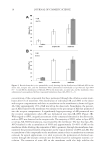
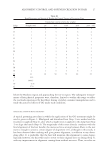
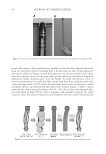
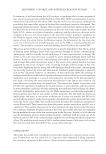
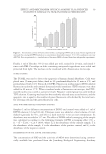
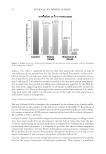
A NEW STRATEGY TO MODULATE ALOPECIA 51 Study design. The study was designed as a randomized, placebo-controlled study. One half of the subjects (15 people) received the “active” lotion, whereas the other half was given a placebo lotion. The active lotion composed of 5% of the test product formulated in a solution consisting of water (75%) and alcohol (20%) the placebo lotion composed of 80% water and 20% alcohol. The test product composed of a mixture of clover extract (titrated to reach 15 ppm biochanin A) and 300 ppm acetyl tetrapeptide-3. The study lasted for 4 months (T4). Each evening, patients had to apply 20 drops of the test product or placebo lotion on balding areas and gently massage it into the whole scalp. For each week of the study, the patients received one plastic bag to collect all hair found on their pillow, comb, and clothes on a daily basis. The hair thus collected in a bag had to be returned to the laboratory for counts. Evaluation procedures. Effi cacy was objectively evaluated by instrumental measurements (digital trichogram with TrichoScan™). TrichoScan™ is a noninvasive method, combin- ing standard epiluminescence microscopy with automatic digital image analysis, for the measurement of human hair (28,29). For determining total hair density, a mask was po- sitioned on the volunteer head to delimitate a shaving area of 1.8 cm2 on the zone to be studied. Three days later, as hair may not always contrast well enough with the scalp (due to the presence of gray or fair hair), hair was dyed and subsequently cleaned with alcohol. Images were then recorded with a camera for the purpose of hair count. Patients were asked not to wash their hair for 2 days before the TrichoScan™ examination. Following acquisition, the digital images were processed using software capable of analyzing ana- gen, telogen, and total hair density. The software was calibrated for an average anagen growth rate of 0.3 mm/day and no telogen growth. According to the defi nition of the TrichoScan™ procedure, an anagen (A) hair is a hair that is detectable 3 days after complete hair shaving. Within this time, only anagen hair should grow signifi cantly at a rate of approximately 0.3 mm/day. Nongrowing hair is by defi nition a terminal hair in the telogen (T) phase. The anagen/telogen (A/T) ratio is an indication of the percentage of active hair follicles. £ A/T ratio = activation of hair growth ¤ A/T ratio = loss of hair growth activity RESULTS AND DISCUSSION INHIBITION OF 5-α-REDUCTASE ACTIVITY Biochanin A, a phytoestrogen that, like many other polyphenols including EGCG from green tea, has shown 5-α-reductase inhibitory activity in vitro (30). EGCG is also known to stimulate hair growth ex vivo (23,24). In an intact cell assay, biochanin A proved to be a potent inhibitor of 5-α-reductase activ- ity and was superior in that aspect to EGCG (Figure 3). In this assay, biochanin A (100 μM) inhibited both type I and type II isoforms of 5-α-reductase by −64% and −93%, respec- tively, compared to those of −11% (type 1) and −5% (type 2) for EGCG. Both isomers are found in the scalp and there is strong evidence that type II contributes to male pattern
Purchased for the exclusive use of nofirst nolast (unknown)
From: SCC Media Library & Resource Center (library.scconline.org)