JOURNAL OF COSMETIC SCIENCE 372 account of their associated skin and hair replenishing properties (6). Virgin olive oil is suitable for topical therapeutic and cosmetic use due to its high oleic acid and squalene contents and the presence of antioxidant species, making it especially suitable for skin care applications (7). Monographs on virgin and refi ned olive oil are found in several pharmacopoeias (8–10). Reported external uses of olive oil-based ointments or topical preparations include the treatment of a number of skin conditions, such as dermatitis, ichthyosis, burns, eczema, and psoriasis (11–14). Likewise, olive oil has been attributed to anti-infl ammatory and antiaging properties (15) and has been suggested as a suitable drug solvent (16) and emollient (12). The quality of olive oil can be defi ned from a commercial, nutritional or sensory stand- point (17). The nutritional value of olive oil is associated with its high oleic acid content and the presence of minor components, such as phenolic compounds, while its fl avor is strongly infl uenced by the presence of volatiles (18–19). The sensory profi le of an olive oil will vary according to olive variety, soil characteristics, climate, tree health, fruit matu- rity at the time of harvest, collection process, storage conditions, oil extraction process, conservation method before packaging, packaging means, and preservation method and/ or additives (20–21). The sensory quality of virgin olive oils may be quantifi ed by evaluating the sensations defi ned by smell, aroma, taste, and pungent and astringent mouth sensations. Healthy olives introduce positive attributes (fruity, bitter, and pungent), whereas the processes occurring after harvesting tend to mitigate these attributes and induce the appearance of defects, i.e., attributes that are detrimental to product quality (22). The fruity attributes perceived as a smell (directly) or fl avor (retronasal) when oil is intro- duced in the mouth. The maximum odor intensity of olive oil corresponds to the maxi- mum volatile content of the extracted olives, tending to coincide with the optimum maturation degree of harvested olives. The fruitiness of olive oil can be perceived as greenly fruity and/or ripely fruity. The International Olive Oil Council (COI) defi nes the fruity attribute of olive oil as the “set of olfactory sensations characteristic of the oil, which depends on the variety and comes from sound, fresh olives, either ripe or unripe perceived by direct or retronasal means” (23). According to standard COI/T.15/NC No. 3/Rev. 4 (2009), commercial grading of olive oil is based on physicochemical and sensory analysis. According to the results of sensory analysis, olive oils are classifi ed as extra virgin (median of defectiveness rating amounting to zero and median of fruitiness rating greater than zero), virgin (median of defectiveness rating greater than zero but not greater than 3.5 and median of fruitiness rating greater than zero), ordinary virgin (median of defectiveness rating greater than 3.5 but not greater than 6.0, or median of defectiveness rating not greater than 3.5 and median of fruitiness rating amounting to zero), and lampante virgin (median of defectiveness rating greater than 6.0). Olive oils classifi ed as lampante virgin cannot be sold and must be refi ned, los- ing their virgin quality. Several studies have reported on the effectiveness of olive oil as a cosmetic ingredient. However, the infl uence of the sensory profi le of virgin olive oil on the scent of the result- ing cream has not been addressed. A cream containing olive oil can have a characteristic smell that impacts consumer acceptability negatively or requires the use of fl avoring essence.

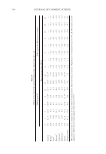
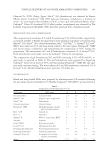
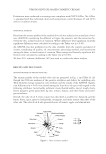
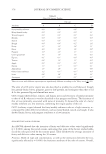
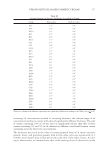
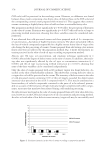
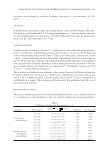
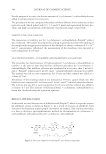
VIRGIN OLIVE OIL–BASED COSMETIC CREAMS 373 This study was aimed at assessing the infl uence of the concentration and the sensory pro- fi le of different virgin olive oils on the odor of cosmetic creams produced by two different methods. MATERIALS AND METHODS OLIVE OIL SENSORY PROFILES Four locally available virgin olive oils of different quality were used for cream prepara- tion: extra virgin, Coratina variety, harvest 2011 (A) extra virgin, Picual variety, harvest 2011 (B) virgin, Arbequina and Picual bivarietal, harvest 2010 (C) and ordinary virgin (D). The commercial quality of the above oils was confi rmed and a descriptive profi le obtained from the analysis of a nine-assessor panel recruited and trained as per COI standards (24). The oils were evaluated in duplicate over two consecutive work sessions. To minimize the possibility of systematic error, samples were presented on a random basis. Fifteen milliliter of oil was poured into blue-colored tasting glasses (25) to exclude the visual factor. Oil samples codifi ed with three-digit random numbers were presented at 28 ± 2°C and rated on 10-cm unstructured scales according to each of the following positive and negative attributes: fruity (greenly/ripely), bitter, pungent, green (leaves/herbs), fi g tree, tomato (plant, leaves, fruit), apple, banana, almond/nuts, sweet, and astringent, among other positive attributes and fusty/muddy sediment, musty/humid/earthy, winey/ vinegary/acid/sour, frostbitten olives (wet wood), and rancid, among other negative at- tributes. Evaluations were conducted in a tasting room equipped as per COI/T.20/Doc. No. 6/Rev. 1, with fi ve individual cabins furnished with temperature control (22–24°C) and air circulation means. CREAM PREPARATION PROCEDURE To establish the possible effect of heating on the odor of creams, both hot and cold prep- aration methods were used. Two bases were used for cream preparation: base C (cold method) and base H (hot method). Four virgin olive oils (A, B, C, and D) at concentra- tions of 3%, 5%, and 10% were used in the preparation of each such base to provide ad- equate emollient action (26,27). Control creams were prepared with mineral oil (E). A total of 30 creams were prepared (Table I). Base C: O/W emulsion prepared by the cold method a preneutralized, lightly cross-linked, highly branched polymer, also acting as a consistency agent, was used as emulsifi er. Ingredi- ents according to International Nomenclature of Cosmetic Ingredients (INCI): aqua, acry- lates/acrylamine copolymer (and) mineral oil (and) polysorbate 85, propylene glycol (and), methyl paraben (and) propyl paraben, butylated hydroxytoluene. Emulsifi er, oil, propylene glycol (and), methyl paraben (and) propyl paraben and butylated hydroxytoluene dissolved in water were mixed at room temperature on a mechanical shaker (Servodyne Mixer Heat 50003-45, Cole Parmer Instrument Co. Vernon Hills, IL) at 500 rpm for 5 min. Base H: O/W emulsion with nonionic emulsifi er. INCI ingredients: aqua, ceteareth-20, cetostearyl alcohol, glyceryl monostearate, propylene glycol (and) methyl paraben (and)
Purchased for the exclusive use of nofirst nolast (unknown)
From: SCC Media Library & Resource Center (library.scconline.org)