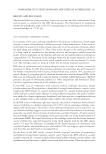
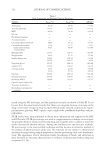
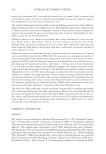
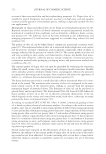
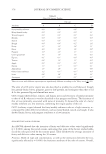
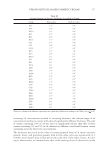
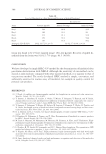
JOURNAL OF COSMETIC SCIENCE 376 The odor of oil B (extra virgin) was also described as undefective and balanced, though less greenly fruity, bitter, pungent, grass-or leaf-greenly, and astringent than that of oil A. It also presented fi g and almond/nut notes. Oil C (virgin) showed fruit, tomato, and banana notes and sweetness of similar intensity to that of oil B, whereas it was also described as less pungent and bitter. The fruitiness of this oil was primarily associated with notes of maturity. It showed the odor of a fusty/ muddy sediment at a low intensity, confi rming the virgin quality of this oil. Oil D (ordinary virgin) showed the fusty/muddy sediment odor at a high intensity, ac- companied by other defective attributes, such as musty/humid, rancid, and rough. It also showed fruity, bitter, and pungent attributes at a low intensity. SENSORY EVALUATION OF CREAMS An ANOVA showed that the intensity of fruity and defective odors varied signifi cantly (p 0.0001) among the tested creams, indicating that some of the factors studied infl u- enced the odor perceived by the sensory panel. Table III shows the average intensity of fruity and defective odors among the 30 creams. Fruitiness. Both oil type and concentration, as well as the interaction between the two, signifi cantly affected (p 0.0001) the fruitiness attribute of the odor of creams. Overall, Table II Olive Oil Sensory Profi les Attribute Oil type A B C D Fusty/muddy sediment 0.0c 0.0c 0.8b 4.7a Musty/humid/earthy 0.0b 0.0b 0.0b 2.1c Winey/vinegary 0.0a 0.0a 0.2a 0.4a Metallic 0.0a 0.0a 0.0a 0.0a Rancid 0.0b 0.0b 0.4b 1.7a Rough 0.0b 0.0b 0.2b 1.4a Fruity 4.3a 3.0b 2.8b 1.1c Bitter 4.6a 2.9b 1.8c 0.8d Pungent 4.9a 2.9b 1.7c 1.4c Green (grass/leaf) 3.3a 1.9b 1.6c 0.0c Fig tree 0.1b 0.7a 0.0b 0.0b Tomato 0.8a 1.0a 1.3a 0.0b Apple 0.4a 0.2a 0.2a 0.0a Banana 1.4a 1.2a,b 0.4b,c 0.1c Almond/nut 1.5a 1.8a 1.3a 0.8a Other fruity attributes 1.2a 0.7a,b 0.7a,b 0.0b Sweet 0.8a 1.8a 1.6a 1.1a Astringent 1.7a 0.6b 0.1b 0.1b Values in a row with different superscripts are signifi cantly different according to the Tukey test (p ≤ 0.05).

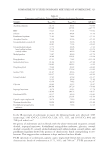
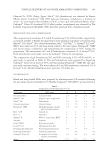
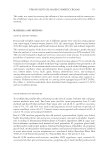
VIRGIN OLIVE OIL–BASED COSMETIC CREAMS 377 increasing oil concentration resulted in increasing fruitiness, the selected range of oil concentration leading to creams with odors of signifi cantly different fruitiness. The odor of creams containing 10% of oil was rated as signifi cantly fruitier than that of those creams containing 3% and 5% of oil whereas no difference was found between creams containing oil at the latter two concentrations. The fruitiness perceived in the odor of creams prepared from oil A (more intensely greenly, fruity, and grass/leaf-greenly than for the other oils) was signifi cantly (p 0.0001) more intense than in that perceived in the odor of the other creams. Accord- ing to these results, an intense fruity odor of the starting olive oil (above four on the Table III Average Intensity of Sensory Attributes According to Cream Cream Fruity odor Defective odor AC3 1.1b,c 0.0d AC5 2.0a–c 0.0d AC10 3.6a 0.0d BC3 0.7b,c 0.0d BC5 0.6b,c 0.0d BC10 1.7a–c 0.0d CC3 0.5b,c 0.0d CC5 0.8b,c 0.0d CC10 2.2a,b 0.0d DC3 0.3b,c 1.8c DC5 0.9b,c 4.4b DC10 0.2c 6.7a EC3 0.0c 0.0d EC5 0.0c 0.0d EC10 0.0c 0.0d AH3 0.8b,c 0.0d AH5 1.5b,c 0.0d AH10 1.3b,c 0.0d BH3 0.9b,c 0.0d BH5 0.7b,c 0.0d BH10 1.4b,c 0.0d CH3 0.3b,c 0.0d CH5 0.5b,c 0.0d CH10 1.7a,b,c 0.0d DH3 0.9b,c 0.2d DH5 0.7b,c 2.2c DH10 0.8b,c 5.0a,b EH3 0.0c 0.0d EH5 0.0c 0.0d EH10 0.0c 0.0d Values in a column with different superscripts are signifi cantly different according to the Tukey test (p ≤ 0.05).
Purchased for the exclusive use of nofirst nolast (unknown)
From: SCC Media Library & Resource Center (library.scconline.org)