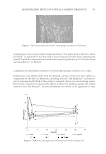
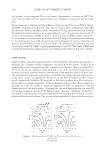
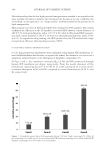
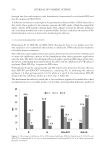
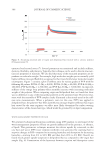
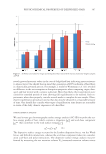
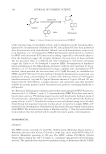
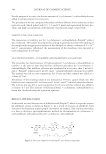
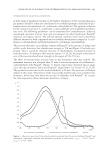
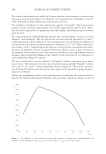
JOURNAL OF COSMETIC SCIENCE 378 COI scale) will be perceived in the resulting cream. However, no difference was found between those creams containing a less fruity olive oil (below three on the COI scale) and the corresponding control cream prepared with mineral oil. This suggests that cosmetic creams containing a slightly fruity olive oil will not have a noticeable fruity odor. The preparation method did not signifi cantly (p 0.05) affect the perception of fruitiness in the odor of creams. Fruitiness was signifi cantly (p = 0.0167) affected by the oil type vs processing method interaction, showing that these variables cannot be considered inde- pendently. It was observed that cold-processed creams and those prepared with oil A—irrespective of concentration—had odors of higher fruitiness intensity. The above presumably refl ects the loss of volatile compounds responsible for a highly intense fruity odor of virgin olive oils during the hot processing of creams. Creams prepared from oils having a less intense fruity odor were not affected by the preparation method. Fig. 2 shows the fruitiness in- tensity perceived in the odor of each oil type according to preparation method. Defective odor. Oil type, oil concentration, and emulsion technique signifi cantly (p 0.0001) affected the degree of defectiveness in the odor of creams. In addition, the result- ing odor was signifi cantly affected by the oil type vs concentration interaction (p 0.0001) and the oil type vs processing method interaction (p = 0.0167), showing that none of the three variables can be considered independently. Only the odor of creams prepared with oil D (ordinary virgin) was found defective, de- scribed as the odor of fusty/muddy sediment. This shows that a strong defective odor in a virgin olive oil will be perceived in the cream. The intensity of defectiveness in the odor of cold-processed creams containing 10% of this oil largely exceeded the defectiveness intensity value perceived in the oil (6.5 compared with 4.7). This may be attributed to a lesser tendency of volatile compounds contained in the pure oil to be released, presum- ably on account of the formation of high molecular weight complexes with other compo- nents, structures that may have been altered during cold emulsion processing. No defectiveness was found in the odor of creams prepared from oil C (low odor defective- ness, below one on the COI scale) irrespective of oil concentration and processing method. An olive oil with odor of low defectiveness intensity (virgin oil) may be successfully used Figure 2. Fruitiness intensity in the odor of creams according to preparation method.

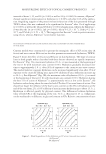
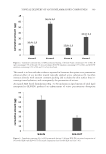
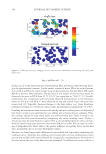
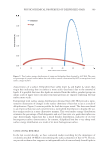
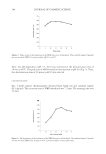
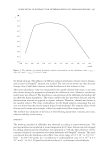
VIRGIN OLIVE OIL–BASED COSMETIC CREAMS 379 without an apparent effect on the odor of the resulting cosmetic cream. Fig. 3 shows the infl uence of the concentration of oil D and the emulsion processing method on the defec- tiveness perceived in the odor of the resulting creams. The defectiveness intensity in the odor of creams prepared from the oil D was found to increase signifi cantly with increasing oil concentration. All cold-processed creams had odor of higher defectiveness intensity than the odor of the corresponding hot-processed creams. This refl ects a signifi cant infl u- ence of the temperature used in the emulsion preparation process, and the possible loss, during hot processing, of volatile components responsible for the defective attributes perceived in the odor of the starting oil. In particular, no signifi cant difference was found between the defectiveness intensity per- ceived in the odor of creams containing 3% of oil D and in the odor of hot-processed creams prepared with any of the other oils. Therefore, a defective olive oil (ordinary vir- gin) may be satisfactorily used at a low concentration to prepare a cosmetic cream by the hot emulsion preparation method. CONCLUSIONS The fruitiness and defectiveness intensities perceived in the odor of cosmetic creams were found to depend on the emulsion preparation method and the fi nal oil concentration in the cream. Overall, these results show that the hot emulsion processing method enabled a partial reduction of unpleasant odor attributes, compared with cold-processed creams. Neverthe- less, oils with a slightly fruity odor (intensity below three on the COI scale) may be con- veniently selected for the preparation of cold-processed cosmetic creams. Oil concentration was found to affect the odor of the resulting cream only when the start- ing oil had intense odor. Ordinary virgin oil may be satisfactorily used for the preparation of only hot-processed creams at a low oil concentration. REFERENCES (1) H. Fishman, “Cosmetic, Past, Present, Future,” in The Chemistry and Manufacture of Cosmetics, Basic Sci- ence, M. Scholossman. Ed. (Allured Publishing Corporation, Carol Strem, Illinois, 2000), Vol. 1, pp. 1–10. Figure 3. Defectiveness intensity in the odor of creams prepared from oil D.
Purchased for the exclusive use of nofirst nolast (unknown)
From: SCC Media Library & Resource Center (library.scconline.org)