NEW TOPICAL COMBINATION ON SENSITIVE SKIN 81 stinging test score 3, and patient consent. Exclusion criteria were: skin disease, known allergies, treatment for pain or itchiness, and the current application of another skin product or UV exposure. The stinging test (19) was performed by applying 10% lactic acid (Sigma-Aldrich, Saint-Quentin-Fallavier, France) on one nasolabial fold and saline (Gifrer) on the other for 10 min. Each minute, the patient noted the intensity of unpleasant sensations using a four-point scale: none = 0, slight = 1, moderate = 2, severe = 3. The stinging score was calculated by adding scores taken after 2.5 min and 5 min of lactic acid application to the area. A score of 3/6 or higher was necessary for inclusion in the study. The stinging test was also used to evaluate the preventive effect on these pa- tients by measuring the stinging score before treatment and after 4 weeks with two applications of the cream a day. An erythema score (from 0 to 4) was also used after the stinging test. To assess the immediate soothing effect, the stinging score was evaluated 2 min after applying a 10% lactic acid solution. Then, the product was applied and a stinging score was evaluated 5 and 15 min after this application. Product tolerance was assessed by evaluating many criteria before treatment and after 4 weeks of treatment: edema, dryness, desquamation, roughness, vesicles, twinging, tin- gling, itchiness, or burning (none, very slight, slight, moderate, or severe). Quality of life was evaluated using the Dermatology Life Quality Index (DLQI) be- fore treatment and after 4 weeks of treatment. The DLQI is a health quality of life scale specifi cally designed for dermatological disorders (20). It includes 10 items, which focus on 6 dimensions: “symptoms,” “daily activities,” “leisure,” “work,” “per- sonal relationships,” and “treatment.” A total score (between 0 and 30) is calculated and can be expressed as a percentage. The higher the score, the more quality of life is impaired. The health quality of life is considered “impaired” with a score of 6. It is “very impaired” with a score of 11. And it is “extremely impaired” with a score of 21 or greater (21). Capsaicin and SLS Tests. This part of the study was performed in Poland by Dermscan (Ul. Kruczkowskiego 12, 80–288 Gdansk). A capsaicin test was performed on women with dry and sensitive skin. After washing their nasogenian folds with 10% ethanol, increasing concentrations of capsaicin (from 10−3% to 10−4%) and 10% ethanol on the other fold were applied. Patients evaluated abnormal sensations on a scale from 0 to 5. A second evaluation was performed after 28 days by applying Sensibio Tolérance +® (Bioderma, Lyon, France) cream twice a day. A sodium lauryl sulfate (SLS) test was performed by comparing the effects of (i) Sensibio Tolérance+® and 1% SLS, (ii) placebo, and (iii) placebo and 1% SLS. Placebo was a usual neutral basis made with water, glycerin, hydroxyethyl acrylate/sodium acryloyldimethyl taurate copolymer, isohexadecane, titanium dioxide, phenoxyethanol, chlorphenesin, polysorbate 60, alumina, and stearic acid. Skin color was measured using Chromameter® (Konica Minolta, Singapore). Then, patch-tests were applied to normal forearm skin for 18 h. After removing the patches, the skin was washed and a new measurement was taken at 24 h. Statistical analysis. Statistical analyses were performed using a t-test (Mann–Whitney test), a Student test, a Shapiro–Wilk test, and a Wilcoxon test, according to the quality of the data. Excel 2010 and SAS9.2 (SAS Institute, Cary, NC) softwares were used.

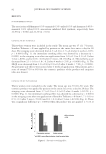
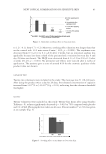
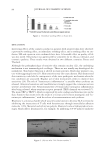
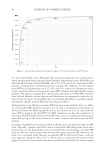
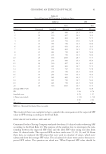
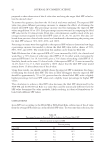
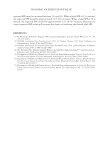
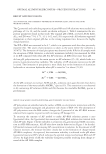
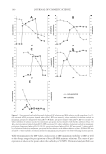
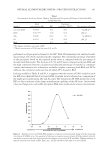
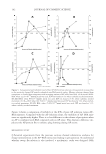
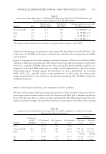
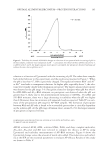
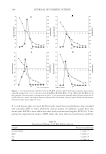
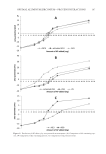
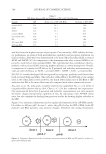
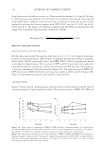
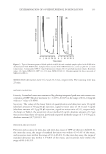
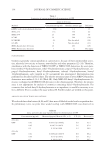
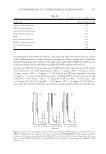
JOURNAL OF COSMETIC SCIENCE 82 RESULTS IN VITRO EFFECTS ON IL-8 The associations of Rhamnose 0.5%–mannitol 0.5%–xylitol 0.5% and rhamnose 0.05%– mannitol 0.1%–xylitol 0.1% associations inhibited IL-8 synthesis, respectively, from 24.8% (p 0.001) and 22.2% (p 0.01). CLINICAL STUDY IN FRANCE Thirty-three women were included in the study. The mean age was 47 (21–74) years. Sensibio Tolerance +® was applied by patients to the entire face twice a day for 28 days. The stinging score decreased from 4.3 (±0.2) to 1.7 (±0.4) after 4 weeks (-62% p 0.0001) (Fig. 1). An immediate soothing effect was showed by a decrease (p 0.0001) in the stinging score after one application from 1.6 (±0.1) to 0.3 (±0.1) after 5 min (-80%), and to 0.03 (±0.03) after 15 min (-98.1%) (Fig. 2). The erythema score decreased from 2.5 (±0.1) to 1.8 (±0.2) after 4 weeks (-25% p 0.0001) (Fig. 3). The DLQI score decreased from 3.3 (±0.8) to 0.9 (±0.2) after 4 weeks (-74% p 0.0001). No pertinent side effects were noticed after 4 weeks of application. The patients gave a score of around 7/10 or 8/10 for the cosmetic qualities of the product and excipient (data not shown). CLINICAL STUDY IN THAILAND Thirty women were included in the study. The mean age was 39 (20–51) years. The cosmetic product was applied by patients to the entire face twice a day for 28 days. The stinging score decreased from 3.7 (±0.2) to 1.4 (±0.2) after 4 weeks (-62.2% p 0.0001) (Fig. 1). An immediate soothing effect was showed by a decrease (p 0.0001) in the stinging score after one application of Sensibio Tolérance +® from 1.7 (±0.1) to 0.5 (±0.1) after 5 min (-70.6%) and 0.3 (±0.1) after 15 min (-82.4%) (Fig. 4). There was a signifi cant difference (p 0.0001) when the product was not applied: 1.7 (±0.1) Figure 1. Preventive soothing effect.
Purchased for the exclusive use of nofirst nolast (unknown)
From: SCC Media Library & Resource Center (library.scconline.org)