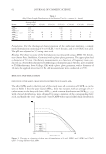
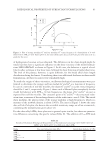
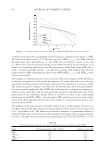
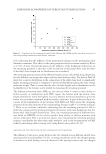
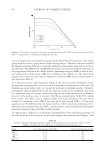
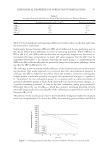
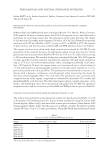
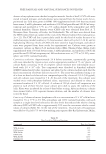
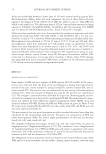
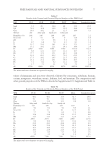
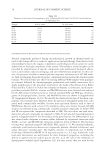
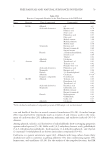
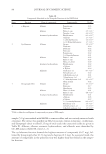
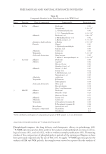
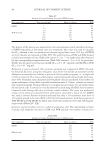
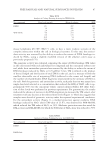
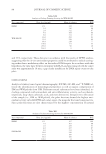
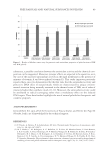
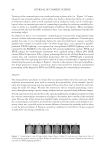
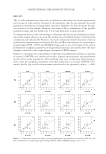
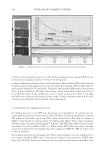
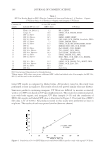
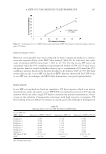
FREE RADICALS AND NATURAL SUBSTANCES IN PELOIDS 87 mouse lymphoma L5178Y (TK+/−) cells, to have a more realistic scenario of the complex interaction within the cell in biological systems. To this end, the antioxi- dant activity was assessed by the ability to reduce the extent of DNA breakage in- duced by H2O2, using a slightly modifi ed version of the alkaline comet assay as previously proposed (70). The genotoxic activity was evaluated comparing the extent of DNA breakage (TM value) in the cells treated with each individual test compound and the concurrent solvent con- trol, while their antioxidant potential was assessed by the ability to reduce the extent of DNA breakage induced by H2O2 at 0.25 μM for 5 min. TM is defi ned as the product of the tail length and the fraction of total DNA in the tail, and is a measure of both the smallest detectable size of migrating DNA (refl ected in the comet tail length) and the number of relaxed/broken DNA fragments (represented by the intensity of DNA in the tail). Both for genotoxic and antioxidant activity, each polar fraction was assayed at a single dose level selected as a concentration that reduced the RCE of CHO cells to ap- proximately 50% over the concurrent vehicle control cultures (Tables XV–XX). Selec- tion of dose levels was performed in previous experiments. For genotoxicity, the results indicated the absence of increase in the DNA migration (as measured by TM values), after treatment with any fraction at the selected dose levels (Figure 1). These data suggest that samples were devoid of genotoxic activity under the reported experimental conditions. For the antioxidant activity (Figure 1), a marked protection against oxidative DNA breakage induced by H2O2 alone (TM value of 23.07), was observed for WM-MeOH, which reduced the TM value of H2O2 to 34%. Moderate protection was also noted for DM-acetone and DM-MeOH, for which the TM value of H2O2 alone was reduced to 79% Table XVII Analysis of Colony-Forming Activity for WM-EtOAc Test compound Dose level (μg/ml) Mean of colonies RCE DMSO 1% 287 100 WM-EtOAc 1.0 281 98 2.0 250 87 4.0 215 75 8.0 135 45 16.0 54 18 32.0 12 4 Table XVIII Analysis of Colony-Forming Activity for DM-EtOAc Test compound Dose level (μg/ml) Mean of colonies RCE DMSO 1% 332 100 DM-EtOAc 1.0 324 98 2.0 327 98 4.0 282 85 8.0 186 56 16.0 110 35 32.0 41 12

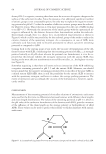
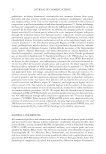
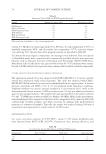
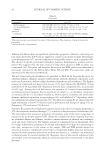
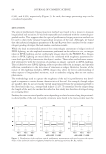
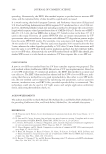
JOURNAL OF COSMETIC SCIENCE 88 Table XIX Analysis of Colony-Forming Activity for WM-MeOH Test compound Dose level (μg/ml) Mean of colonies RCE DMSO 1% 322 100 WM-MeOH 1.0 316 98 2.0 312 97 4.0 309 96 8.0 311 97 16.0 293 91 32.0 258 80 64.0 248 77 128.0 171 53 256.0 90 28 562.0 0 0 Table XX Analysis of Colony-Forming Activity for DM-MeOH Test compound Dose level (μg/ml) Mean of colonies RCE DMSO 1% 307 100 DM-MeOH 1.0 301 98 2.0 285 93 4.0 267 87 8.0 234 76 16.0 220 72 32.0 187 61 64.0 160 52 128.0 34 11 and 53%, respectively. These data are in accordance with the results of DPPH analysis, suggesting that the in vivo antioxidant properties could be attributed to radical scaveng- ing rather than a modulatory effect on the induced DNA repair. In accordance with this hypothesis, the time lapse between treatment with H2O2 and processing of cells for comet assay was approximately 10 min, a gap clearly insuffi cient for DNA repair events to take place. CONCLUSIONS Analytical studies (ionic liquid chromatography, ICP-MS, GC-MS, and 31 P-NMR) al- lowed the identifi cation of mineralogical properties as well as organic composition of DM and WM peloids from TSB. Different natural substances have been identifi ed, in- cluding compounds with antioxidant and anti-infl ammatory activity, such as phenols, terpenoids, long-chain carboxylic acids, and ester derivatives. Irrespective to the nature of the sample (i.e., DM vs. WM peloid), the polar fractions showed the highest anti- oxidant activity in both DPPH and comet assays, the nonpolar fractions being inactive. Since polar fractions are also characterized by the highest concentration of natural
Purchased for the exclusive use of nofirst nolast (unknown)
From: SCC Media Library & Resource Center (library.scconline.org)