J. Cosmet. Sci., 72, 17–32 (January/February 2021) 17 Application of Combinatorial Methods for the Identifi cation of Synthetic Hair-Conditioning Polymers THOMAS H. KALANTAR, MLADEN LADIKA, TATIANA V. DROVETSKAYA, ADAM SAFIR, STEVEN ZONG, XINNAN ZHANG, and SUSAN L. JORDAN , Herbert D. Doan R&D Center, The Dow Chemical Company, Midland, MI (T.H.K., M.L.), FreeSlate, Inc., Sunnyvale, CA (A.S., S.Z., X.Z.), The Dow Chemical Company, Bound Brook, NJ (S.L.J., T.V.D.) Accepted for publication August 31, 2020. Synopsis Cationic conditioning polymers have a role as deposition aids for depositing benefi t agents such as silicone polymers and are used in shampoo formulations to provide improved combing properties, feel, and look. The objective of this work was to develop synthetic high-performance polymeric conditioning agents that exhibit conditioning performance as good as, or better than, the current commercially available polymers. We describe the application of high throughput methods to identify high-performance synthetic hair-conditioning polymers through using high throughput combinatorial methods for polymer synthesis and screening to prepare several hundred cationic polymer candidates. Shampoo formulations were then formulated with these polymers hair tresses were treated with these formulations and tested via a parallel automated wet combing method. Three high-performing polymer candidates were selected for further evaluation, prepared on a larger scale and evaluated via a panel study. A (3-acrylamidopropyl)trimethylammonium chloride-vinyl monomer-based cationic copolymer is shown to exhibit hair conditioning effi ciency equal to or greater than that of a high-performance cellulose ether-based polymer, SOFTCAT™ SL-5 (Polyquaternium-67) in a shampoo formulation. I NTRODUCTION AND BACKGROUND Cationic conditioning polymers are used in shampoo and body wash formulations to provide improved combing properties, feel, and appearance (1–3). The impact of these polymers on hair and skin conditioning is dependent on many factors relative to the polymer itself (polymer architecture, molecular weight, charge density and distribu- tion, presence or absence of hydrophilic and hydrophobic moieties, etc.) as well as on the properties of the shampoo, conditioner, body wash, or two-in-one formulation in which Address all correspondence to Thomas H. Kalantar at tkalantar@dow.com and Susan L. Jordan at susan. jordan@dupont.com

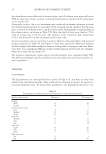
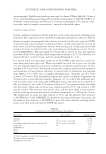
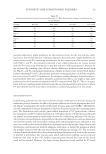
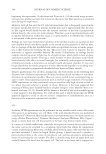
JOURNAL OF COSMETIC SCIENCE 18 they are present (surfactant type and charge, surfactant blend ratio and concentration, salt levels, dilution levels and rate of dilution, wash water hardness, etc.) (4–8). They function via phase separation, or coacervation, during dilution on rinsing, depositing the cationic polymer on the negatively charged keratin (9). These polymers also have a role as deposition aids for insoluble benefi t agents such as silicone polymers (10,11), where the factors as outlined earlier also are important to their function (2,12). Two naturally derived cationic polymers used extensively in the conditioning market today include cationic hydroxyethyl cellulose [UCARE™ polymers Polyquaternium (PQ-10)] (13) and cationic guar (guar hydroxypropyltrimonium chloride). The per- formance and mechanism of action of the conditioning polymers have been reviewed (see, for example, references 14–17). Ma ny synthetic cationic conditioning polymers have also been made via free-radical polymerization from vinyl monomers including acrylates and acrylamides (18–29). Examples of commercially used synthetic cationic conditioning polymers are shown in Table I. The cationic (“quat”) monomers used include [(3-acrylamidopropyl)]-trimeth- ylammonium chloride (APTAC), diallyldimethylammonium chloride (DADMAC), 2-(N,N,N-trimethylammonium)ethyl methacrylate chloride (QMA), and 2-(N,N,N-tri- methylammonium)ethyl acrylate chloride (AETAC). So me of the high-performing naturally derived conditioning polymers such as PQ-10 are expensive to produce [cationic guar, another naturally derived polymer, is low in cost but suffers from deposition build-up issues (30)]. Evaluation of several experi- mental and commercial cationic polymers has identifi ed several issues with some wholly synthetic conditioning polymers including hazy shampoo formulations, the need for antioxidants as stabilizers, and substantial silicone build-up on the hair (3). It was a goal of this preliminary work to identify synthetic polymer compositions that exhibit the conditioning performance of a hydrophobically modifi ed cationic hydroxyethyl cellulose polymer, SOFTCAT™ SL-5 (PQ-67) (13), which in our hands provides both good deposition and comb properties (both greater than PQ-10) (31), at low costs typical of synthetic polymers. To that end, this preliminary study fo- cused on the generation of a broad range of polymer compositions and their rapid initial screening for conditioning performance against a single clear shampoo base. Combinatorial methods have previously been applied to the determination of conditioning Table I Examples of Commercial Conditioning Polymers Quat monomera Polymer (supplier) AAmb Quat/AAmc QMA PQ-11 (BASF) VPd Unknown APTAC Acrylamidopropyltrimonium chloride / acrylamide copolymer (Ciba) Yes ~40/60 DADMAC PQ-6 (Nalco) No 100/0 DADMAC PQ-7 (Nalco) Yes 70/30 DADMAC PQ-6 (Ciba) No 100/0 a QMA: 2-(N,N,N-trimethylammonium)ethyl methacrylate, chloride APTAC: (3-acrylamido)propyl- trimethylammonium chloride, DADMAC: diallyldimethylammonium chloride. b AAm: acrylamide. c Estimated wt/wt. d VP: 1-vinyl-2-pyrrolidinone (used instead of AAm).
Purchased for the exclusive use of nofirst nolast (unknown)
From: SCC Media Library & Resource Center (library.scconline.org)