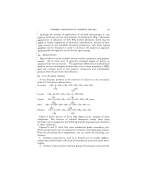
272 JOURNAL OF THE SOCIETY OF COSMETIC CHEMISTS of the variability in composition oflanolin cetyl alcohol and glyceryl mono- stearate have been used for some time in various cosmetics with no ill effects. Several bases were then formulated using these ingredients in order to find a base which would penetrate the cutex to allow better penetration of the curling agent. The bases were adjusted to a pH of 9.4 with ammonia water and allowed to stand for three days for observation. It was observed that a number of them broke down during this three-day period. A suitable stable formula was found to be as follows: Amcrchol CAB ..................................... 5.0 Gin. Glyceryl monostearate ............................... 2.5 Gm. Tween 20 .......................................... 2.$ Gin. Span 20 ........................................... 2.$ Gin. Distilled water ..................................... 20.0 Gin. Curling agent ...................................... 3.$ Gin. Ammonium hydroxide to pH of 9.40 .................. The Amerchol CAB and the glyceryl monostearate were melted over a water bath with the Span 20. The distilled water was heated with the Tween 20 to about 60øC. The oil phase was poured into the water phase and, while warm, homogenize• with a hand homogenizer. After the base had cooled the waving agents were weighed out and mixed with ammonia solution to a pH of 9.4. It was found much easier to adjust the pH in this manner rather than to incorporate the waving agent and then' adjust the pH with the ammonia solution. All the pH values were taken with a Beckman pH Meter. Green ointment jars, which were sealed after each use, were used to store the cream bases. The creams were tested over a period of thirty days for the pH value and they remained constant. None of the creams broke down during this period. In order to compare the different chemicals, the tests were carried out on the same type of hair from the same person. The hair was dark brown in color and very coarse it had never been permanently waved before and was devoid of any wave at the time it was used. The locks were washed and dried, then the cream was applied with the fingers and worked through- 6ut the strand. A strip of paper was folded around the end of the strand to secure the stray ends. The hair was wound on cm]ers and allowed to stand for forty-five minutes. All the curls were rinsed thoroughly with lukewarm water for about five minutes while still on the curlers and then blotted. A fixative solution of potassium bromate in tepid water was ap- plied to the curls for five minutes, after which time the curls were again blotted, and each curl was carefully taken off the cutler. The fixative solu- tion was then poured through the strand of hair for three minutes and the hair was rinsed thoroughly with tap water. It was found that thioglycolic acid and mercaptosuccinic creams were the most effective curling agents.

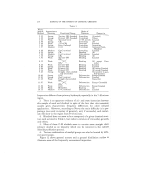
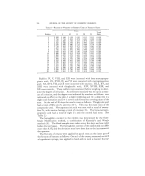
ORGANIC SULFUR COMPOUNDS IN COLD WAVES 273 :, ":A control using the cream base alone did not show any curl. The same :i.. creams were used on more strands of hair and in place of the fixative, tap i!i. water was used. The results of these tests were in general the same as ? those using the fixative but much better curls were obtained by not using a fixative but by just rinsing the hair with tap water and allowing it to dry on the cutlers before removing the hair. The thioglycolate curl, as well as the mercaptopropionate, was excellent. Mercaptosuccinate and taurine curls :'!:. were not as good, and after several washings the taurine curl came out, • whereas the mercaptosuccinic curl lasted a little longer. Three popular commercial home permanent wave kits, A, B, and C, were / : tested in order to compare the curls produced by the test chemicals and .... products already on the market. The waves were given according to the instructions contained in each kit. The time of contact with the waving :' solution was one hour, using the fixative as directed. The following results were obtained: the B kit gave a poor curl, but the curls from kits A and C •'i:: • were good. Deviating from the instructions given with the kits and allow- 'i:' ing the hair to dry on the cutlers produced very good results with all three strands of hair showing excellent waves. The same procedure was again carried out with the elimination of the fixatives, and no appreciable differ- ence in the results was noticed. Three sets of solutions of each of the following: thioglycolic acid, mer- :•i:: captosuccinic acid, taurine and beta-mercaptopropionic acid, were pre- :. pared. The first set contained 2% Tween 20 and the second set contained 2% Tween 20 as well as 20% polyethylene glycol 400. The third set was a •:. control adjusted to a pH of 9.40. These solutions as curling agents were tried following the same technique used in testing the creams. It was found that the first set of solutions produced a better curl than the control, while the second set of solutions produced a better curl and a better appearance than the first set of solutions. TOXICITY STUDY Twenty adult rabbits were numbered and 10 per cent of their total body area was clipped clear of hair with shears. This area was located on the hind part of each rabbit's back. Each day for twenty days, two grams of cream per Kg. of body weight was applied. The rabbits were divided into five groups of four each. One group of four was inuncted with the base alone as a control. The other four were inuncted with the base containing the four different chemicals in a 7 per cent concentration and adjusted to a pH of 9.3-9.4 with a 28 per cent ammonia solution. Each rabbit was weighed every day, three days before the application of' the creams and three days after the tests had been carried out.(See Table 1). Every rabbit but one gained weight. This animal had intestinal para- sites. The average increase in weight for the I9 rabbits was 417.6 Gin.
Purchased for the exclusive use of nofirst nolast (unknown)
From: SCC Media Library & Resource Center (library.scconline.org)