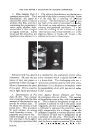
22 JOURNAL OF THE SOCIETY OF COSMETIC CHEMISTS •t. Radioisotope Studies with Silicone C-l•t (11). In view of the quick dissipation of energy of C-14 beta, one cannot rely entirely on measure- ments made over the skin surface, although, if all physical conditions are constant, an experienced investigator can compare the afforded protection of two or several products with a reasonable degree of reproducibility. For the most accurate determination, it is necessary to excise a small section of skin of a given size, cornbust this, and determine the activity in the evolved carbon dioxide through precipitation as barium carbonate, counting in a flow gas counter or equivalent. 5. Clinical Protection against Contact Dermatitis by patients with dermatitis venenata due to soaps, alkalies, detergents, and household and industrial contactants. Patients are diagnosed as dermatitis venenata particularly of the hands. The majority of the patients are patch tested and the eczematous-producing allergen determined. The patient is then treated with antiseptic sgak s, soothing ointment, and superficial x-ray ther- apy when necessary. Th• pgtient is then advised to use the silicone formu- lation two to three times a day. The patient is requested to gradually cease using the protective rubber gloves with cotton insert. If the physiology of the skin of the hands returns to normal, then household and/or industrial chores are continued. Birmingham (15) re-emphasizes that prolonged action of alkali agents in soaps and detergents tends to neutralize the acid mantle of the skin. They also break down the keratin, to release sulfhydryl groupings. With con- tinuous exposure to the alkali the restoration of the acid mantle is inhibited, and thus the epidermal defenses against allergenic agents is weakened. Anderson (16) and Sharlit (17) offer some valuable and original ideas re- garding the protective action of the acid medium of the skin. The lipid content of the skin also acts as a protective barrier. After many trials, it was decided to disperse various viscosities of the Velvasil fluids in a greaseless base which resembles the pH of the skin, namely around 5.0, to restore and maintain the acid mantle. The viscosi- ties (in centistokes) which were evaluated were 100, 1000, 10,000, and 100,- 000. The concentrations of the silicones were 20, 10, 5, and 2 per cent. The alcohol-soluble Velvasil was dispersed in a homogeneous neutral emul- sion because of its possible cosmetic applicability. The following formulas were utilizect in this evaluation: A. Tween 60 ....................................... 2.0 Citric Acid ..................................... 2.0 Velvasil Silicone Fluid ............................ 10.0 Hydrophilic Ointment (U.S.P.), q. s. ad ............. 100.0 B. Tween 60 ....................................... :2.0 Velvasil Alcohol Soluble Fluid ..................... 10.0 Emulsion Triethanolamine Stearate, q. s. ad ......... 100.0 Forty patients visited our office for dermatological consultation because of a dermatitis involving the hands. These patients presented an erythema-

USES AND NEWER APPLICATIONS OF SILICONE COMPOUNDS 23 tous, squamous eruption with vesiculation, fissuring, excoriations, and lichenification. The patients were divided into groups, as (1) housewives who performed a great deal of washing of clothes and dishes with soap and detergents, in many because of the recent addition of a new infant to the family and (2) male patients who were employed as cooks, dishwashers, countermen, or vegetable clerks who also constantly immersed their hands in soapy water, detergents, alkalies, fish or fruit juices, and degreasing agents, as ammonia, benzene, or turpentine. The majority of these patients demonstrated a positive patch test to soap, detergents, triethanol- amine lauryl sulfate, the phosphates, or turpentine in petrolatum. These patients were treated with the routine dermatological measures as mild antiseptic soaks, and applications of mild soothing ointment. In re- factory cases with a superimposed secondary infection, an antibiotic oint- ment, as "Sterosan," was utilized. In the chronic puritic dermatoses, a combination of neomycin-bacitracin, hydrocortisone, and 9-alpha fluorohy- drocortisone derivatives were prescribed. Superficial x-ray therapy was given at weekly intervals, when deemed advisable. When the dermatitis commenced to improve and there was no roughness, fissuring or denuded skin, the patient was instructed to rub in the silicone formula, either A or B, into the skin of the affected area before washing. Of forty patients who observed this routine, thirty patients have had their contact dermatitis clear up completely under the above-mentioned therapeutic regime. The appearance and physiology of the skin of the hands have returned to normal. The silicone preparations have consumer acceptance and cosmetic elegance. These patients are now able to carry on their normal household and occupational duties without the use of rubber gloves or other mechanical prophylactic agents. In order to determine the protective action of the silicone formulations against known eczematous allergens, forty subjects were tested with soap dilutions, triethanolamine lauryl sulfate, turpentine, and Paraphenylendi- amine (PPD). The allergens were used on one side of the body in graded dilutions, and on the other part of the body similar dilutions were used. However, one selected side was prepared previously for seven consecutive days by inunction with various silicone formulations with different viscosi- ties and concentrations of the silicone. The technique that was followed was similar to that described by Smith (9) of the Skin and Cancer Unit, New York University Bellevue Medical Center. In conducting studies of this type, it is preferable to select allergens which are not soluble in the silicone oils. Otherwise, protection will be minimized by their use. The studies described in this paper were all conducted in private clinical practice. Laboratory studies were conducted under my supervision. We were able to demonstrate a fair degree of protection to the skin by the silicone formulations when used as directed on the prepared sites.
Purchased for the exclusive use of nofirst nolast (unknown)
From: SCC Media Library & Resource Center (library.scconline.org)