USES AND NEWER APPLICATIONS OF SILICONE COMPOUNDS 23 tous, squamous eruption with vesiculation, fissuring, excoriations, and lichenification. The patients were divided into groups, as (1) housewives who performed a great deal of washing of clothes and dishes with soap and detergents, in many because of the recent addition of a new infant to the family and (2) male patients who were employed as cooks, dishwashers, countermen, or vegetable clerks who also constantly immersed their hands in soapy water, detergents, alkalies, fish or fruit juices, and degreasing agents, as ammonia, benzene, or turpentine. The majority of these patients demonstrated a positive patch test to soap, detergents, triethanol- amine lauryl sulfate, the phosphates, or turpentine in petrolatum. These patients were treated with the routine dermatological measures as mild antiseptic soaks, and applications of mild soothing ointment. In re- factory cases with a superimposed secondary infection, an antibiotic oint- ment, as "Sterosan," was utilized. In the chronic puritic dermatoses, a combination of neomycin-bacitracin, hydrocortisone, and 9-alpha fluorohy- drocortisone derivatives were prescribed. Superficial x-ray therapy was given at weekly intervals, when deemed advisable. When the dermatitis commenced to improve and there was no roughness, fissuring or denuded skin, the patient was instructed to rub in the silicone formula, either A or B, into the skin of the affected area before washing. Of forty patients who observed this routine, thirty patients have had their contact dermatitis clear up completely under the above-mentioned therapeutic regime. The appearance and physiology of the skin of the hands have returned to normal. The silicone preparations have consumer acceptance and cosmetic elegance. These patients are now able to carry on their normal household and occupational duties without the use of rubber gloves or other mechanical prophylactic agents. In order to determine the protective action of the silicone formulations against known eczematous allergens, forty subjects were tested with soap dilutions, triethanolamine lauryl sulfate, turpentine, and Paraphenylendi- amine (PPD). The allergens were used on one side of the body in graded dilutions, and on the other part of the body similar dilutions were used. However, one selected side was prepared previously for seven consecutive days by inunction with various silicone formulations with different viscosi- ties and concentrations of the silicone. The technique that was followed was similar to that described by Smith (9) of the Skin and Cancer Unit, New York University Bellevue Medical Center. In conducting studies of this type, it is preferable to select allergens which are not soluble in the silicone oils. Otherwise, protection will be minimized by their use. The studies described in this paper were all conducted in private clinical practice. Laboratory studies were conducted under my supervision. We were able to demonstrate a fair degree of protection to the skin by the silicone formulations when used as directed on the prepared sites.

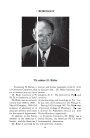
24 JOURNAL OF THE SOCIETY OF COSMETIC CHEMISTS We would like to take this opportunity for mentioning other uses of the silicone preparations in the field of dermatology with whicl we have had personal professional experience. By citing these experiences, other appli- cations may present themselves to the listeners. The success of a dermatological topical agent depends upon many factors however, continuous contact of the prescribed medicament with the skin will naturally exert a more rapid therapeutic effect. With this premise in mind, the applications enumerated below are mentioned. In the treatment of cheiliris, or chapped lips, a 2 per cent silicone oil was added to a lip pomade. The affected lips improved and were then able to withstand the changes in temperature and humidity more readily than pre- viously. The pomade silicone formulation was found particularly effective in re- ducing the angular stomatitis which is not due to a riboflavin deficiency. This condition has been seen with greater frequency in the geriatric patient who wears loose-fitting dentures, thereby causing excessive sailration. Evidently, the application of the reinforced pomade prevents the continuous moistening of the muco-cutaneous junction. Reiches (12) found a specific silicone ointment effective in healing the angular stomatitis which was due to ill-fitting dentures. However, con- tinued use of the medication is preferred to prevent a recurrence. Brown (13) reports additional uses for the silicone preparations in plastic surgery, particularly for prevention of maceration of the skin adjacent to wet dressings, and also for the waterproofing of gauze dressings which are recommended for fixation of skin grafts. Silicone oils afford sterile protection of medical-surgical instruments by one application, when a described technique is followed. In resistant cases of psoriasis and localized neurodermatitis, coal tar derivatives have been considered to be most effective when applied to the involved area. Two to five per cent of silicone fluid was added to liquor carbonis detergens and tincture of benzoin. This combination affected the favorable disappearance of the refractory dermatological lesions, possi- bly because the therapeutic action of the tar was maintained for steady and continuous periods. Seborrhea of the face, with its attendant erythema, greasy scaling, roughness, and itching, is always aggravated by contact with soap and shaving cream. Inunction of the affected area of the face with 5 per cent silicone greaseless base formulation before washing and shaving aids in the improvement of the seborrhea of the face. I offer my facial integument for inspection as a seborrhea patient, to demonstrate the effectiveness of this prophylactic procedure. Silicone ointments have also proved their value in the prevention of cu- taneous irritation by acrid body discharges against a delicate skin. These
Purchased for the exclusive use of nofirst nolast (unknown)
From: SCC Media Library & Resource Center (library.scconline.org)