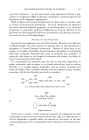
LABORATORY METHODS FOR PRODUCT TESTING 103 been observed at as low as 140 ø in thermal conductivity cells with a plat- inum wire. The phenomenon may be observed through the appearance of negative peaks. In any case it is wise to test a reference sample under the same conditions befbre questioning the purity of a product on the basis of gas chromatog- raphy. LABORATORY METHODS FOR PRODUCT TESTING* By DONAI. D H. PowEP, S Lambert-Hudnut Division, F//arner-Lambert Pharmaceutical Company, Morris Plains, N. •. PERHAPS THE greatest need for the cosmetic industry and certainly the greatest need of the cosmetic chemist is for accurate methods for evalu- ating cosmetic products. A recent advertisement for a new cosmetic prod- uct certainly cost at least $75,000 for the single advertisement and yet nowhere in that ad was there any clear indication or measure of what man- ner and to what extent the product performed. In the defense of the adver- tising agencies we must point out that they have turned to glamor and indefinite, vague promises of beauty only when the chemists could give them no accurate data and information on performance. LABORATORY TEST METHODS IN OTHER SOCIETIES The importance of laboratory test methods in the role of a chemist is best demonstrated by reviewing the latest Yearbook of The Textile Chem- ists. In the latest issue you will find that they have developed or are cur- rently working on 83 different and distinct laboratory methods for evaluat- ing textile fibers and fabrics. This number is growing each year and hun- dreds of chemists are cooperatively working on them. I am sure you are all acquainted with the excellent publications of the American Society for Testing Materials whose entire object is to establish reliably accurate methods for testing all types of materials from steel to cork and from soap chips to lubricating oils. At some future date we should work with A.S.T.M., but we must, first, outline, indicate and study the basically important prob- lems. The justly famous Marburg lectures of A.S.T.M. are classics in reviewing the progress and problems in evaluating and testing products from con- crete to plaster. It is still years ahead before such a review should be con- sidered in the cosmetic industry. * Presented at the September 19, 1957, Seminar, Chicago, Ill.

LABORATORY METHODS FOR PRODUCT TESTING 103 been observed at as low as 140 ø in thermal conductivity cells with a plat- inum wire. The phenomenon may be observed through the appearance of negative peaks. In any case it is wise to test a reference sample under the same conditions befbre questioning the purity of a product on the basis of gas chromatog- raphy. LABORATORY METHODS FOR PRODUCT TESTING* By DONAI. D H. PowEP, S Lambert-Hudnut Division, F//arner-Lambert Pharmaceutical Company, Morris Plains, N. •. PERHAPS THE greatest need for the cosmetic industry and certainly the greatest need of the cosmetic chemist is for accurate methods for evalu- ating cosmetic products. A recent advertisement for a new cosmetic prod- uct certainly cost at least $75,000 for the single advertisement and yet nowhere in that ad was there any clear indication or measure of what man- ner and to what extent the product performed. In the defense of the adver- tising agencies we must point out that they have turned to glamor and indefinite, vague promises of beauty only when the chemists could give them no accurate data and information on performance. LABORATORY TEST METHODS IN OTHER SOCIETIES The importance of laboratory test methods in the role of a chemist is best demonstrated by reviewing the latest Yearbook of The Textile Chem- ists. In the latest issue you will find that they have developed or are cur- rently working on 83 different and distinct laboratory methods for evaluat- ing textile fibers and fabrics. This number is growing each year and hun- dreds of chemists are cooperatively working on them. I am sure you are all acquainted with the excellent publications of the American Society for Testing Materials whose entire object is to establish reliably accurate methods for testing all types of materials from steel to cork and from soap chips to lubricating oils. At some future date we should work with A.S.T.M., but we must, first, outline, indicate and study the basically important prob- lems. The justly famous Marburg lectures of A.S.T.M. are classics in reviewing the progress and problems in evaluating and testing products from con- crete to plaster. It is still years ahead before such a review should be con- sidered in the cosmetic industry. * Presented at the September 19, 1957, Seminar, Chicago, Ill.
Purchased for the exclusive use of nofirst nolast (unknown)
From: SCC Media Library & Resource Center (library.scconline.org)