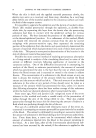
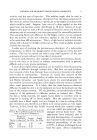
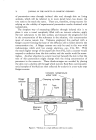
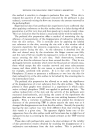
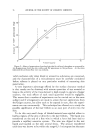
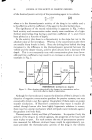
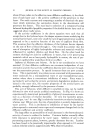
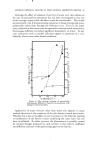
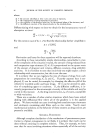
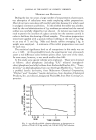
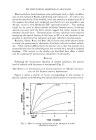
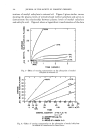
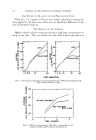
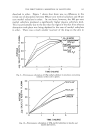
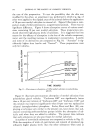
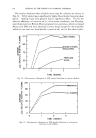
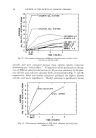
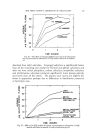
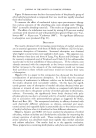
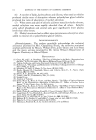
102 JOURNAL OF THE SOCIETY OF COSMETIC CHEMISTS THE EFFECT OF QUANTITY OF THE PP. EP.4P. ATION USED When 0.$, 1 or 2 grams of 10 per cent methyl salicylate in mineral oil were applied to the same area, there were no significant differences in the rate of absorption (Fig. 6). THE EFFECT OF THE VEHICLE Highly volatile vehicles evaporate leaving a high bulk concentration of drug on the skin. This was clearly the case when methyl salicylate was i i i i 140 - • - ,oo.• - • •oo- • • - so- - • _ • •0 - I 5 I0 15 30 60 I 5 I0 15 30 $0 TI ME (MINUTES) Fig. 7.--Percutaneous absorption of methyl salicylate from 100% methyl salicylate and 10% methyl salicylate in ether. • 50 • .o g_• 3o cn 20 i i i - NO PRE-TREA--PRE-TREATMENT•'•' - _ • WITH ETHER I I I 2 TIME (HOURS) Fig. 8.--Effect of pre-treatment with ether on percutaneous ab- sorption of 10% methyl salicylate in mineral oil.

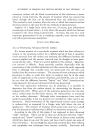
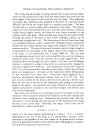
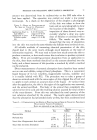
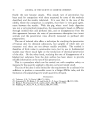
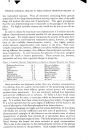
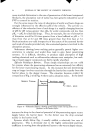
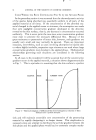
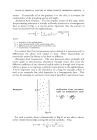
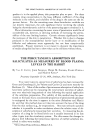
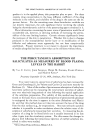
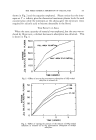
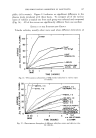
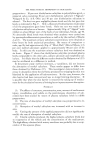
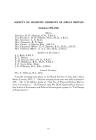
THE PERCUTANEOUS ABSORPTION OF SALICYLATES 103 dissolved in ether. Figure 7 shows that there was no difference in the initial rate of absorption between 100 per cent methyl salicylate and 10 per cent methyl salicylate in ether. At one hour, however, the 100 per cent methyl salicylate produced a significantly higher plasma salicylate level. This was presumably due to the fact that the region of the skin from whence absorption took place was being depleted in the case of methyl salicylate in ether. There was a much smaller reservoir of the drug on the skin in Ill o 40 o /// / - /,• I I I 2 3 TIME (HOURS) Fig. 9.--Percutaneous absorption of 10% methyl salicylate in emulsions containing nonionic surface active agents. 4o •o -- ao o -• Io =t o I I/,ACETULA j'POLYLAN" I I TIME (HOURS) Fig. 10.--Percutaneous absorption of 10% methyl salicylate in lanolin and fanolin derivatives.
Purchased for the exclusive use of nofirst nolast (unknown)
From: SCC Media Library & Resource Center (library.scconline.org)