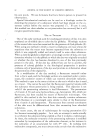
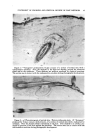
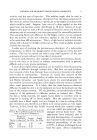
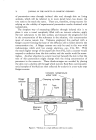
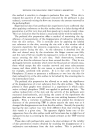
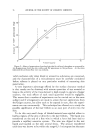
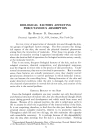
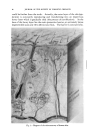
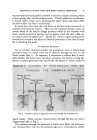
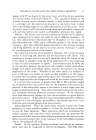
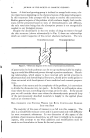
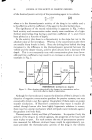
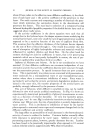
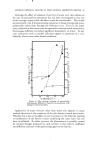
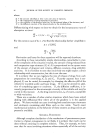
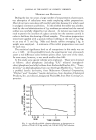
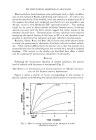
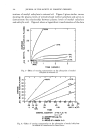
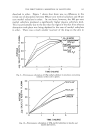
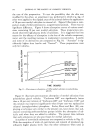
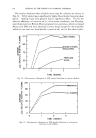
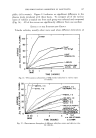
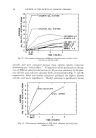
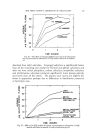
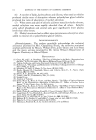
STATEMENT OF PROBLEM AND CRITICAL REVIEW OF PAST METHODS 65 -, I•'igure 1.--"Autogram" produced by 16-day contact of a section of normal skin with a radiosensitive emulsion. Note the shadows in the hair-root sheaths, around the sebaceous gland and in the epidermis. These shadows are artifacts produced by chemical reactions. The section was in contact with the radiosensitive emulsion during photographic development. .. __ •:?•'.. .. ,• ...... .•,,• ..• -: -• . :: • • '-.{ ,. ,. ,•-¾ ?• • .:..-.•,.•:•.' '.•::' ...... . ...... • :* ..... .:.. '• X-:'&':%•:' :z,...t".' 7 ..... ß ..:. '...**•,-,: ,,.:*-•':. '5: , ..... :•,•. • :L'7 : ... . --,--:- .. . ............. .: .: , ......... ?•: ?• ............. • .• _ ......- .......... . . . .... : . ,& ,• -" .... .--.: - ...,,•_.' ,.. ......,•..,,,,a,•. ' ....-"•v•. :'-•'•. •. . •, B w ,v --. FigUre 2.--z/. Photomicrogram of normal skin. Hemotoxylin-eosin stain. B. "Autogram" produced by 76-day contact, with pressure, of a section of normal skin with a radiosensitive emulsion. Note the shadow which corresponds to the hair. This shadow is an artifact pro- duced by pressure of the hair against the emulsion. The section was not in contact with the radiosensitive emulsion during photographic development.

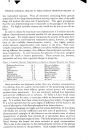
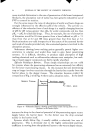
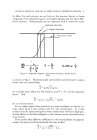
66 JOURNAL OF THE SOCIETY OF COSMETIC CHEMISTS When the skin is thick and the applied material penetrates slowly, the dermis may serve as a reservoir and there may, therefore, be a very long delay before any of the material applied to the cutaneous surface can reach the fluid of the receptor system. It is possible to separate the epidermis and the dermis of nonhairy skins. Flesch (20) studied penetration through the epidermis, as distielct from whole skin, by separating this layer from the dermis after the penetrating substance had been in contact with the epidermal surface for various periods of time. He then detected the presence of the a•l•lied substance at the derreal-epidermal junction. In a refinement of this method, Blank and Gould (14) removed the stratum comeurn from the skin by several strippings with pressure-sensitive tape, then separated the remaining portion of the epidermis from the dermis and quantitatively determined the amount of material which had penetrated into each of these three portions of the skin. This permits more precise determination of the location in the skin of whatever material has penetrated. Possibly the most common method of studying percutaneous absorption in a living animal is analysis of the circulating blood and/or urine of the animal at different intervals following application of material to the cutaneous surface. One of the diftSculties encountered in attempting, by analysis of the blood, to estimate quantitatively the amount of material which has penetrated the skin is the fact that the rate at which material leaves the blood stream and is excreted or stored in the tissues is seldom known. The concentration of a substance in the blood stream at any one time is always the resultant of the amount which has reached the blood stream and the amount which has left it. The total amount of an absorbed substance in the urine at any period of time should never be taken as a measure of the amount which has penetrated the skin, unless it is known that following absorption there has been neither storage of this substance within the body nor chemical alteration after it penetrated the skin. Some years ago, Nyiri and Jannitti (21) recognized many of the errors inherent in this method and made a careful study of lhe penetration of ' iodine through the skin of the living rabbit in situ. They also studied penetration through the intact skin by observing the amount of iodine in a fluid which was perfusing through the skin of the ear. The use of a calibrated animal (22) eliminates many of the errors en- countered in attempting to measure permeability quantitatively by analysis of the blood. The animal is calibrated by recording at successive intervals the amount of substance in the blood during a slow intravenous administra- tion. From these data, a curve can be constructed which relates. the amount of substance injected into the blood to the amount remaining in the blood. At a later date, after all the intravenously administered sub- stance has been excreted by the animal, if the substance is applied to the
Purchased for the exclusive use of nofirst nolast (unknown)
From: SCC Media Library & Resource Center (library.scconline.org)