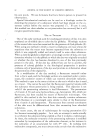
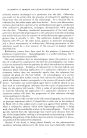
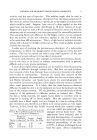
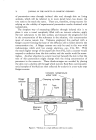
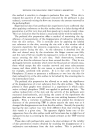
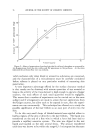
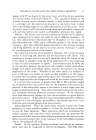
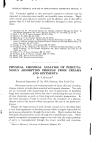
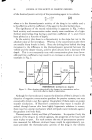
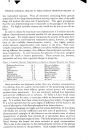
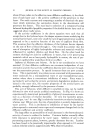
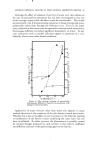
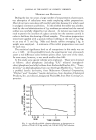
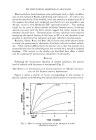
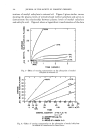
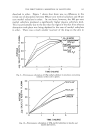
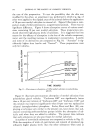
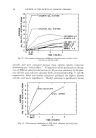
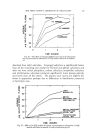
THE PERCUTANEOUS ABSORPTION OF SALICYLATES 103 dissolved in ether. Figure 7 shows that there was no difference in the initial rate of absorption between 100 per cent methyl salicylate and 10 per cent methyl salicylate in ether. At one hour, however, the 100 per cent methyl salicylate produced a significantly higher plasma salicylate level. This was presumably due to the fact that the region of the skin from whence absorption took place was being depleted in the case of methyl salicylate in ether. There was a much smaller reservoir of the drug on the skin in Ill o 40 o /// / - /,• I I I 2 3 TIME (HOURS) Fig. 9.--Percutaneous absorption of 10% methyl salicylate in emulsions containing nonionic surface active agents. 4o •o -- ao o -• Io =t o I I/,ACETULA j'POLYLAN" I I TIME (HOURS) Fig. 10.--Percutaneous absorption of 10% methyl salicylate in lanolin and fanolin derivatives.

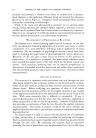
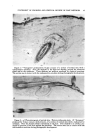
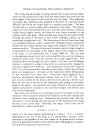
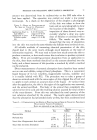
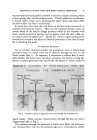
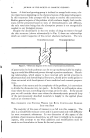
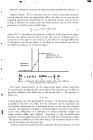
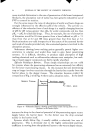
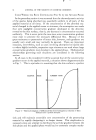
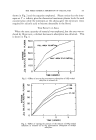
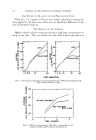
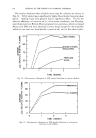
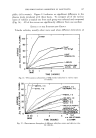
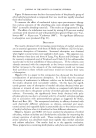
104 JOURNAL OF THE SOCIETY OF COSMETIC CHEMIST5 the case of this preparation. To test the possibility that the skin was modified by the ether, an experiment was performed in which 2 g./kg. of ether were applied to the clipped areas of the animals before the application of 10 per cent methyl salicylate in mineral oil. Figure 8 illustrates a com- parison made of ether pretreated •s. nonpretreated animals. There was no significant difference. Figure 9 shows absorption curves of various emul- sions containing l0 per cent methyl salicylate. These preparations pro- duced relatively high plasma levels of salicylate. It is suggested that one reason for the eflScacy of absorption is the loss of the volatile component, water and the resulting increase in medicament concentration. Lanolin and some of its derivatives are compared on Fig. 10. "Acetulan" is sig- nificantly higher than lanolin and "Lantrol". These preparations were only fair vehicles. 2-0 o IO =t, o I I I I0%'1..N 3" 80% POLYETH. - i GLYCOLMIX POLYETHYLENE GLYCOL -"400" POLYETHYLENE- ..•.,• .,, .,, .,.... -" '" GLYCOL MIX I 2_ 5 TIME (HOURS) Fig. 11.--Percutaneous absorption of 10% methyl salicylate in polyethylene glycols. Figure 11 illustrates percutaneous absorption of methyl salicylate from polyethylene glycol vehicles. "Carbowax 400" was significantly better than a 50 per cent mixture of "Carbowax 400" and "Carbowax 1500" and this mixture was improved significantly when 10 per cent was replaced by trilauryl (tetraglycolether) phosphate. Stolar, Rossi and Barr (10), em- ploying a technique very similar to the present one, have shown that sub- stances containing polyoxyethylene groups inhibit the absorption of sal- icylic acid when they are added to vehicles. The present data indicate that such substances are also poor bases for methyl salicylate. A number of nonvolatile substances are compared as vehicles in Fig. 12. With the exception of mink oil, petrolatum and mineral oil produced sig- nificantly higher plasma levels than the other substances when used as
Purchased for the exclusive use of nofirst nolast (unknown)
From: SCC Media Library & Resource Center (library.scconline.org)