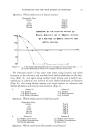
148 JOURNAL OF THE SOCIETY OF COSMETIC CHEMISTS HAIR COLORS or INDIVIDUAL INTERMEDIATES Dye intermediates can be divided into two groups-primary interme- diates and secondary intermediates. The primary intermediates are chem- ical compounds which by themselves will form a dye upon oxidation. These are the para and ortho benzene diamines, amino phenols and their derivatives. The secondary dye intermediates, also referred to as color couplers and modifiers, are for the most part meta diamines, meta amino phenols, polyhydroxy phenols and naphthols. The phenols may or may not color the hair upon oxidation but their primary function is to modify. and often stabilize colors resulting from the oxidation of primary inter- mediates. Their use may also result in drastic color changes. Complica- tions now arise. As we will shortly show, certain of the primary inter- mediates may and often do react with other primary intermediates during oxidation to produce unexpected color changes. It will be helpful at this time to quickly review colors produced on hair by the principal dye inter- mediates. The aromatic diamines produce the following colors: p-phenylene diamine ................................ brown m-phenylene diamine ................................ gold p-toluylene diamine sulfate ........................... reddish brown p-aminodiphenyl amine .............................. gray 2,4-diamino anisole .................................. ash blonde 2,4-diamino diphenyl amine .......................... violet brown m-toluylene diamine ................................. blonde These color descriptions are only approximate because the actual shade re- sulting under specific conditions may vary greatly due to concentrations, alkalinity, composition of the dye base and many other factors. The intermediates available today are generally of high purity although cer- tainly not of CP grade. For example, the four meta diamines in the above list all yield light dyeings on hair although when chemically pure they will not dye the hair at all. Meta diamines will not form a quinoid upon oxida- tion and this is essential to dye formation. This will be made clear when we examine briefly the chemistry of the oxidation reaction. In the case of the meta diamines, color formation is due to the presence of very small amounts of the para or ortho isomers. The meta diamines are valuable intermediates when used with para diamines, and we will examine this color reaction in greater detail. The second important group of intermediates are the amino phenols. 0-amino phenol ................................ deep gold m-amino phenol ................................ no color p-amino phenol ................................ light auburn 2,4-diamino phenol hydrochloride ................. light reddish brown p-methyl amino phenol sulfate ................... pale blonde

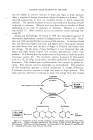
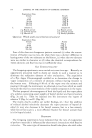
COLOR REACTIONS OF OXIDATION DYE INTERMEDIATES 149 Photographers will recognize the latter two as photographic developers. Third and last major group of intermediates are the nitro derivatives of diamines and amino phenols. p-nitro-o-phenylene diamine ......................... yellow o-nitro-p-phenylene diamine ......................... auburn 5-nitro-o-amino phenol .............................. greenish yellow 2-nitro-p-amino phenol ............................. reddish blonde 2-amino-4,6-dinitro phenol (Picramic acid) ............ orange All of the compounds in the three groups, with the exception of the meta diamines and meta amino phenol, are primary dye intermediates. An interesting property of the nitro compounds is that they will dye hair with- out oxidation. This should really come as no surpise because the nitro compounds are dyes. Their structure includes a salt forming group and a chromophore group. In one series of tests 0.5 per cent solutions of the above nitro compounds in a conventional hair dye base were mixed with equal parts of twenty volume hydrogen peroxide and dyeings made on virgin blonde hair for thirty minutes. The same dye solutions were then mixed with equal parts of water in place of the peroxide and the dyeings repeated. With one exception the dyeings were identical. The 2-nitro- p-amino phenol dyeing with water developed a more orange shade as contrasted with the peroxide dyeing which was a reddish blonde. CHEMISTRY OF THE OXIDATION REACTION We will not dwell on the complex chemistry of the oxidation reaction but a brief summary may help explain the color changes that occur when certain combinations of dye intermediates are oxidized. The primary dye intermediates are first oxidized to a quinone di-imine or a quinone imine. These can then undergo further internal condensation and oxidation re- suiting first in an indamine or indophenol dye and finally an azine, phenazine or oxazine dye. It is believed that in the final stage the dye combines with keratin to form a dye-keratin complex. If other reactive dye intermediates are present, coupling or condensation between intermediates can occur resulting in a complex mixture of dyes. Indamine dyes may be the end result when para diamines are oxidized in the presence of meta diamine and if phenols are present, indophenol dyes may be formed. This reaction will be explored in greater detail when we examine problems of color stability. It is this interaction between dye intermediates that accounts for the basic differences in the development of specific shades with oxidation inter- mediates as compared with formulating hair shades with direct dyes. Color formation by oxidation dye intermediates is not always additive as it is with dyes and pigments. If a yellow and a blue dye are mixed in the proper proportions green will result. In working with direct dyes and pig-
Purchased for the exclusive use of nofirst nolast (unknown)
From: SCC Media Library & Resource Center (library.scconline.org)