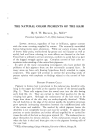
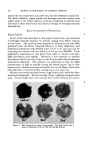
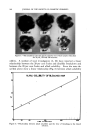
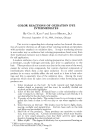
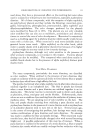
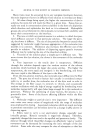
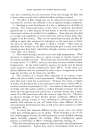
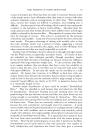
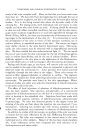
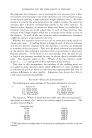
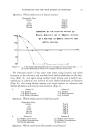
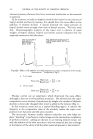
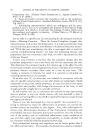
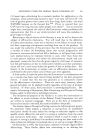
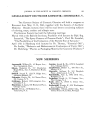
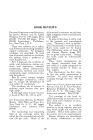
EVAPORATION AND THE ODOR QUALITY OF PERFUMES 175 SOLVTIOI't O[ Hoe?IffL riL(20HOL (raft ,•, BE•ZTL •E[TfiTE IFI ETHYL fiE[TriTE VAPOJ? OVER MIXTURE 0[' EQUAL •/[IGHTS OF HEPTYL riLI20HOL ^ND • I•EN ZYL riGE T^TE .• VAPOR OVER MIXTURE: HEPTTL ALCOHOL BENZYL riCETATE TRID[CYL PLr.,OH 0 L VAPOR OVER MIXTURE HPTTL ALCOHOL , r•u BENZYL ACETATE •r•u lYENZTL BENZOATE •.• 127 C. Figure 3.--Effect of fixatives on vapor composition: Column and der, temp.:' ø Det. voltage: 1000 V. 5% Carbowax 1540 on Chromosorb W 70 ml. A/min. (10 psi) Attenuation: X3 a. 0.025 3,1. liquid Heptyl alcohol 6.2* Peak ratio Benzyl acetate - 6.1 - 1.0 b, 5 ml. vapor Heptyl alc. 16.2 Peak ratio Benzyl acer. 5.9 - 2.8 c. 10ml. vapor Heptyl alc. 15.1 _ 1.:3 Peak ratio Benzyl acet. - 11.7 d. 10 ml. vapor Heptyl alc. 28.1 = 4.2 Peak ratio Benzyl acer. - 6.• * The area under the peiaks was taken to be: height X width at half height.

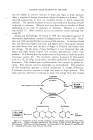
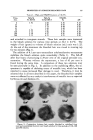
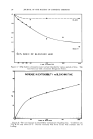
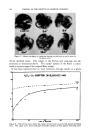
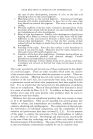
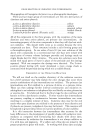
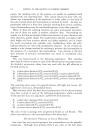
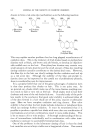
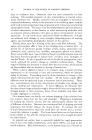
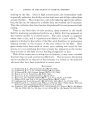
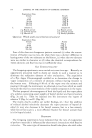
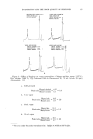
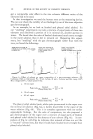
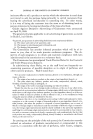
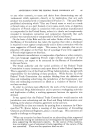
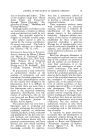
176 JOURNAL OF THE SOCIETY OF COSMETIC CHEMISTS odorants present, odorants that have structural similarities to the material in question. If, for instance, we add an aliphatic alcohol like linalool to our mixture of heptyl alcohol and benzyl acetate, this should have the same effect as the addition of tridecyl alcohol: it should diminish the vapor pressure of heptyl alcohol more strongly than that of benzyl acetate. We have tried this. Chromatographic analysis of the vapor over a mixture of equal weights of heptyl alcohol, linalool and benzyl acetate indicated that the expected interaction did take place. V^POI• OVER MIXTURE Of EQUAL WEIGHTS OF HEPTYL ALCOHOL ^u• • I•ENZYL AGETATE ¾,• YAPOR 0•R MiXTI/K• Of E'QUAL•EH •TS Of' .-HEf'TTE ALCDHOL, BoeNZYL ^•EYATE A• L INALOOL F•gure,4.--Effect of the addition of a third component on vapor composition of two-compo- nent mixture. Conditions cf. Fig. 3. a. 5 ml. vapor Heptyl alc. 16.2 Peak ratio Benzyl acet. - 5.9 - 2.8 b. 10 ml. vapor Heptyl alc. 3.9 Peak ratio Benzyl acet. - 1.9 -2.1 Mackay carried out an experiment which illustrated the same effect, although it does not involve perfume materials. He showed that the vapor composition over a mixture of equal parts by weight of a number of aliphatic alcohols is drastically changed when water is added to the mixture (Fig. 5). In this instance, water acts as a typical blending agent: it reduces the disparity in the evaporation rates of the alcohols, makes the vapor com- position more balanced and the odor smoother. The interaction between similar odorant molecules not only helps ex- plain "blending" in perfumery, it also brings out the tremendous complexity of perfume creation: adding an odorant to an existing mixture means not only the addition of the odor note due to the new material, but also a change in the balance of the odors of all the other materials present in the mixture!
Purchased for the exclusive use of nofirst nolast (unknown)
From: SCC Media Library & Resource Center (library.scconline.org)