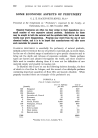
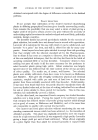
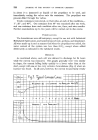
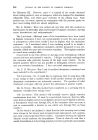
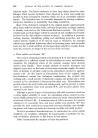
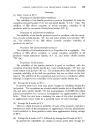
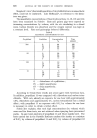
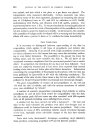
302 JOURNAL OF THE SOCIETY OF COSMETIC CHEMISTS SOME ECONOMIC ASPECTS OF PERFUMERY G. J. E. HACKFORTH-JONES, M.A.* Presented at the Symposium on "Perfumery", organised by the Society, at Cheltenham, Glos., on 14th November 1962. Classical •ragrances are often too dear owing to their dependence on a small number of very expensive natural products. Substitutes for these may be sought in both the natural and the synthetic field, but in both cases results may prove disappointing. Progress may result •rom the use of new chemical bodies, and it is to be hoped that manufacturers will offer more such materials for general sale. CLASSICAL PERFUMERY is essentially the perfumery of natural products, initially achieved without the use of synthetic materials and, in recent times, by the use of a limited range of synthetics to give specific character and to bring out the depth and richness of expensive naturals. Classic perfume types are known and admired throughout the world, and there would be little need to consider altering them if it were not for difficulties of raw material supply and steadily increasing cost. To illustrate this I have set out the following skeleton formulae, the first of which is of an Eau de Cologne, and the second of an aldehydic perfume containing important quantities of Rose Otto and Jasmin Absolute. When properly executed these are triumphs of the perfumer's art. FORMULA A t•au de Cologne compound Cost in shillings Cost of Quantity per kilo quantity used 325 Bergamot 180 54.0 250 Lemon 100 25.0 150 Mandarin 100 15.0 50 Lavender oil, French 80 4.0 40 Rosemary 15 0.6 5 Clary sage 300 1.5 45 Neroli, French 9,000 405.0 100 Petitgrain, French 500 50.0 10 Rose base 120 1.2 5 Ethyl acetate 7 -- 5 Musk ketone 60 0.3 15 Benzoin resin 150 2.2 1,000 558.8 *Yardley & Co. Ltd., London, W. 1.

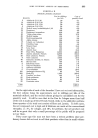
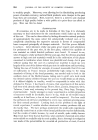
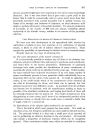
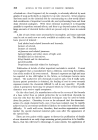
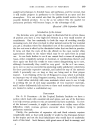
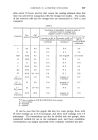
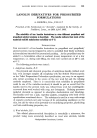
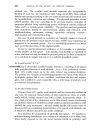
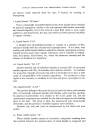
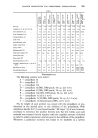
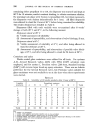
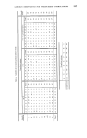
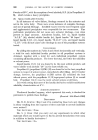
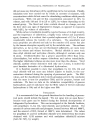
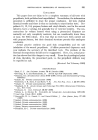
SOME ECONOMIC ASPECTS OF PERFUMERY 303 FORMULA B A ldehydic perfume compound Cost in shillings Cost of Quantity per kilo quantity used 5 Aldehyde C.9 1/10 20 0.1 10 Aldehyde C.10 1/10 20 0.2 20 Aldehyde C. 11 1/10 30 0-6 5 Aldehyde C.12 1/10 20 0.1 10 Methyl nonyl acetaldehyde 1/10 30 0.3 25 Bergamot 180 4.5 10 Bergamot, terpeneless 400 4.0 50 Ylang-ylang extra 350 17.5 50 Methyl ionone 150 7.5 20 Hydroxycitronellal 100 2.0 20 Alpha ionone 300 6.0 15 Linalol, ex Coriander 200 3.0 10 Dianthus base 400 4.0 50 Muguet base 300 15.0 15 Lilac base 150 2.2 50 Jasmin base 300 15.0 40 Rose Otto, Bulgarian 11,000 440.0 50 Jasmin absolute, French 14,000 700.0 20 Rose absolute, French 7,000 140.0 5 Orris concrete 5,000 25-0 40 Cinnamic alcohol, ex Styrax 200 8.0 10 Styrax resin 150 1.5 5 Patchouly extra 400 2.0 7 Vetyver Bourbon 250 1.8 2 Oakmoss absolute 800 1.6 5 Civet absolute 5,000 25.0 100 Ambergris tincture 3% 80 8.0 200 Musk 3% 1,000 200.0 10 Vanillin, ex clove 100 1.0 60 Musk ambrette 60 3.6 30 Musk ketone 60 1.8 50 Coumarin extra 1 O0 5.0 1,000 1,646.3 On the right side of each of the formulae I have set out cost information, the first column being the approximate cost in shillings per kilo of the materials utilized, and the second column giving the calculated cost for the quantity used. It will be seen that in the Eau de Cologne more than half of the cost is made up of Oil of French Neroli, while in the aldehydic perfume three-quarters of the total cost consists of Rose and Jasmin. In both cases, the net compound cost is high and if dilutions are made at the conventional strengths, i.e. 5% for cologne, and 18% for perfume, the net product cost will be so great that only a small percentage of the public will be prepared to buy them. Forty years ago this may not have been a serious problem since per- fumery houses did not seek to sell their products other than in small volume
Purchased for the exclusive use of nofirst nolast (unknown)
From: SCC Media Library & Resource Center (library.scconline.org)