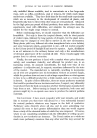
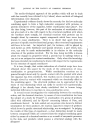
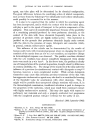
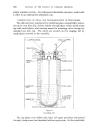
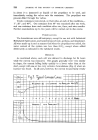
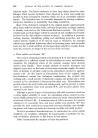
324 JOURNAL OF THE SOCIETY OF COSMETIC CHEMISTS simple container system--the unlacquered aluminium one-piece, sealed with a valve in an unlacquered aluminium cup. CONSTRUCTION OF CELLS AND STANDARDISATION OF ELECTRODES The cells used were constructed by modifying glass compatibility testers. As can be seen from Fig. 2 these consist of tough glass vessels closed at the top with metal plates, and carrying means for mounting valves having the standard one inch cup. The valves are secured, not by swaging, but by small plates screwed to the assembly. 3 CLAMPING SCREWS VALVE CLAMPING • PLATE -VE -t-VE VALVE PINGS VESSEL ALUMINIUM NICKEL GAUZE STRIP ELECTROLYTE -- RUBBER PAD • CLAMPING STUDS WITH WING NUTS Figure 2 Corrosion cell The top plates were drilled with holes 1.5" apart and brass rods passed through, being secured and insulated with an epoxy resin. In these particular

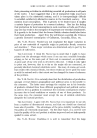
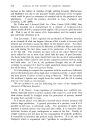
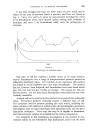
CORROSION IN ALUMINIUM CONTAINERS 325 cells the rods were of such a length that they ended with a mounting screw about :•" above the level of 80 ml of liquid in the vessels. The electrodes were 2"x •, with a small hole drilled about ¬" from one end to take the mounting screw. Thus when mounted in the cell, 1 TM • of electrode dipped below the surface of an 80 ml fill. The cathodes were constructed of nickel gauze, and degreased in benzene as described for the anodes. The anodes were made by cutting open aluminium one-piece containers and removing the top and bottom ends. The sides were flattened and abraded on both sides with wet, fine emery paper to remove scratches. They were then polished successively with carborundum powders 2F, and 500, suspended in glycerin. Pieces 2"x •" were cut from the prepared sheets using a guillotine, and holes drilled •" from one end of each. The cut edges were smoothed with wet emery paper. The cut pieces were degreased in a Soxhlet extractor over benzene, for one hour. After this the electrodes were not touched by hand and were stored in a desiccator until required. The anodes were then etched for two minutes in boiling nitric acid (10%), rinsed thoroughly in distilled water, dried between filter papers and placed in a desiccator for a maximum of 30 minutes before use. After the electrodes had been fitted in the cells, the latter were filled without delay with a total of 80 ml of concentrate and propellant. The experiment was also started without delay. It was thought best that the aluminium be standardised to eliminate any variation in the amount of scratching or surface treatment which the metal had received. The current flowing when the cells were discharged was found by dis- charging through a 10,000 ohm resistor and measuring the potential across the resistor with a Cambridge recording galvanometer. The internal resistance of these cells when filled with normal anhydrous hairsprays was about 105--106 ohms. The 104 ohm resistor mentioned above therefore approximates to a short circuit of the cell. The potential of many of the cells was measured on open circuit with a potentiometer, and found to average about 0.Sv. STORAGE TESTS Every formulation which was tested on the corrosion cell was also put on storage test. The storage tests were carded out in un!acquered one- piece containers which were closed with valves mounted in unlacquered aluminium valve cups and also in internally lacquered one piece containers closed with valves in lacquered tinplate cups. The method of filling was to place the concentrate into the container, then displace the air by blowing
Purchased for the exclusive use of nofirst nolast (unknown)
From: SCC Media Library & Resource Center (library.scconline.org)