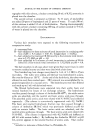
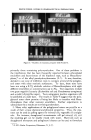
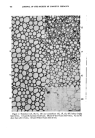
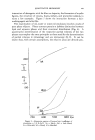
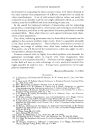
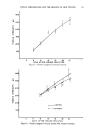
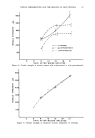
TOPICAL PREPARATIONS AND THE HEALING OF SKIN WOUNDS 513 600 m 50C z 400 ,., 300 • 200 IOO 600 500 4OO 3OO •00 lO0 3 6 9 12 15 18 21 DAYS AFTER WOUND INFLICTED Figure-1.--Tensile strength of untreated wounds. : : CONTROL x-- -- ----XOINTMEN T 3 6 9 12 15 18 21 DAYS AFTER WOUND INFLICTED Figure 2.--Tensile strength of wounds treated with vitamin ointment.

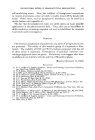
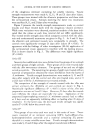
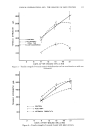
514 JOURNAL OF THE SOCIETY OF COSMETIC CHEMISTS of the oleaginous ointment containing fat soluble vitamins. Tensile strength measurements were made 9, 12, 15, 18 and 21 days after injury. Three groups were treated with the allantoin preparation and three with the corticosteroid cream. Animals receiving the latter two treatments were sacrificed 9, 15, and 21 days after wounding. Figure 2 presents the tensile strength measurements made on control wounds and those treated daily with the oleaginous vitamin ointment. While some variations were observed, statistical analysis of the data indi- cated that the values at each time interval did not differ significantly. The wound tensile strength data which compares controls with the allan- toin and corticosteroid treatments are given in Fig. 3. At 9 and 15 days the allantoin and untreated wounds were comparable in strength. The controls were significantly stronger 21 days after injury (P 0.05). In agreement with the findings of other investigators (10-16) application of the corticosteroid cream appeared to interfere with the healing process. This is shown clearly in Fig. 3. The differences were highly significant (P 0.01). Series III Seventy-four additional mice were divided into five groups of ten animals and three groups of eight animals. Three groups of ten were treated daily with the ,4loe vera extract ointment. Two groups of ten and one of eight served as controls. The remaining two groups of eight were treated with an essential oil preparation obtained by steam distillation from the leaves of .4. tridentata. Tensile strength determinations were made at 9, 15 and 21 days after surgery with the control and .4loe vera treated mice, and at 9 and 21 days with the .4. tridentata extract treated animals. The comparison of the strength of wounds treated with the .4loe vera extract ointment, the .4rtemisia oil and controls are shown in Fig. 4. Statistically significant differences (P 0.05) in favor of the `4/oe vera preparation are seen at 9 and 15 days. However, 21 days after the wounds were inflicted, the values are essentially the same. Application of the purported hypertrophying material (`4. tridentata extract) had no effect at 9 days and an apparently inhibiting effect on healing after 21 days of treatment. In the latter case, the decreased tensile strength was signifi- cantly (P 0.01) below the control value. Series IF Nine groups of ten mice each were used in this series of tests. Treat- ments consisted of an ointment containing 0.01% 6a,9a-difluoro-16a- hydroxyprednisolone acetonide and a material containing 2% panto- thenylol in a water miscible cream base. Tensile strength determinations were made 9, 15 and 21 days after the surgical wounds were inflicted.
Purchased for the exclusive use of nofirst nolast (unknown)
From: SCC Media Library & Resource Center (library.scconline.org)