J. soc. cos. CHEM. 15, 465-472 (1964) INFLUENCE OF COLOR IN THE ENVIRONMENT ON PERCEIVED FRAGRANCE QUALITIES By J. A. AUSTRIAN, B.A., C. VAN BOMMEL, M.A., and N. SeHWAkTZ, M.A.* Presented September 24-25, 1963, Seminar, Boston, Mass. ABSTRACT A study was conducted to measure the effect on perceived fragrance qualities of various colors in the environment. Panels of women con- sumers were individually exposed to the stimulus material and were asked to characterize the nature of the fragrances. The results showed significant variation in fragrance qualities as a function of color the implications of these findings in marketing and for future research are discussed. INTRODUCTION For many years our organization has maintained an interest in synesthesia: the mixing of sensory stimuli and response. The effect of sound on color perception, the effect of color on food flavors and the effect of package design on product acceptance have been measured--all with a view toward enhancing product performance in the market place. Ex- perience in working with advertising agencies, industrial designers and consumer product manufacturers has revealed that too often, basic psycho- physiological phenomena have been neglected, and maximum product performance is not achieved. This present study illustrates the importance of color on perceived fra- grance qualities and on fragrance advertising. An earlier paper from this organization (1) revealed a ,i/lear-cut pattern of color associations with certain well-known fragrances •e present work evolved from that earlier study. Specifically, the earlizr investigation revealed that a fragrance could evoke a reliable pattern of color response. The present study was designed to determine whether or not color could * United States Testing Co., Inc., Hoboken, N.J. • 465

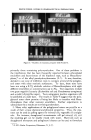
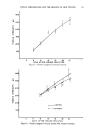
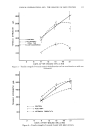
466 JOURNAL OF THE SOCIETY OF COSMETIC CHEMISTS have a facilitating effect on flagrance perception--that is, whether certain colors could bring to mind certain fragrance qualities or influence those qualities objectively perceived. PROCEDURE The program was divided into two phases. The first phase was con- cerned with the effect of color on the perceived qualities of two well-known_. perfumes--Chanel No. $©* and Tabu. ©** These fragrances were selected virtually at random from the wide variety of popular perfumes on the market. They were not intended to represent any particular segment of the fragrance spectrum and were chosen solely as test stimuli. Their in- dividual qualities were considered less important than the effect on them of the environmental influences which were to be assessed. Each of these perfumes was individually evaluated and rated by panels of women consumers. The stimulus colors were associated with the fra- grances by presenting the perfumes on blotting strips which could be one of four colors--white, blue, yellow or magenta. An individual respondent evaluated only a single perfume in conjunction with a single color. She was not aware of the true purpose of the test- namely, that the color variable was being studied neither was she aware of the identity of the perthme she was evaluating. She was asked to smell the fragrance and to rate it on a bi-polar scale for each of four qualities sweetness, sharpness, sensuality and expensiveness. On each scale, the respondent was asked to place a check mark at any point along the line to indicate her judgment of the fragrance in question. By measuring the distance be- tween her check mark and the beginning of the scale, her judgment was translated into a numerical score between 0 and 100. Separate panels of 400 women were tested on each fragrance these were further subdivided into groups of 100 women who rated the fragrance in conjunction with each of the four colors. These interviews were conducted in the New York and Chicago Public Opinion Testing Stations of the United States Testing Company. At these facilities, passersby are in- vited to participate in a variety of consumer product tests and market research studies. •[ RESULTS The results of the first phase are summarized in Table I. This presents the mean ratings given to Chanel and Tabu when evaluated on blotting * Registered T•.•tdemark, Chanel, Inc. ** Registered •[demark, Dana Perfhmes Corp.
Purchased for the exclusive use of nofirst nolast (unknown)
From: SCC Media Library & Resource Center (library.scconline.org)