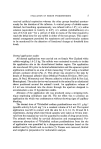
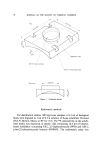
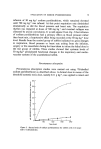
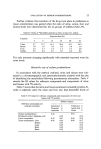
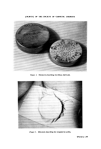
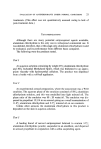
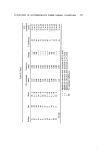
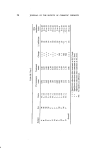
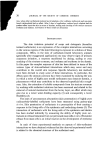
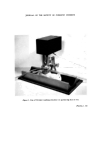
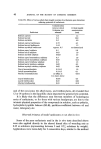
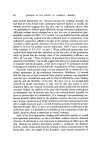
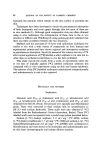
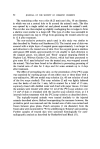
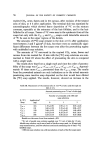
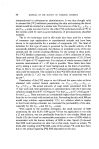
JOURNAL OF THE SOCIETY OF COSMETIC CHEMISTS Plan /'//'/ •• '• •e,• / Inlet for top•cal solution • Slots for elast•cated sleeve Side view ..... .52 mm • Figure 1. Occlusive device. Radiometric methods For distribution studies, 500 mg tissue samples or 0.5 ml of biological fluids were digested in 3 ml of 0.5 M solution of tissue solubilizer Protosol (N.E.N. Boston, Mass.) at 50 ø for 18 h. The ass radioactivity in the solubi- lized media was measured in plastic vials containing 14.5 ml of toluene- based scintillator containing 0.8• 2,5-diphenyloxazole (PPO) and 0.01•o p-bis-(2,5-phenyloxazole) benzene (POPOP). The radiometric assay was

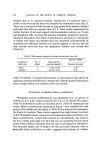
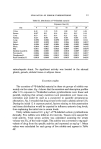
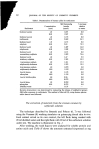
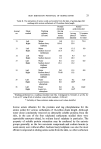
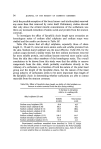
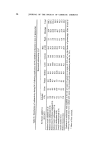
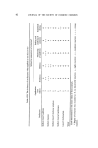
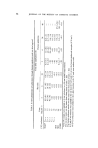
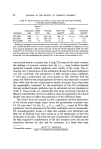
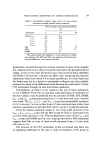
EVALUATION OF SODIUM PYRIDINETHIONE performed on a Tri-Carb 2000, model no. 3003 liquid scintillation spectro- meter (Packard Instrument Co.) under conditions suitable for measuring •5S. The channels ratio method of standardization employing •4C as a secondary counting standard (8) was used to calculate the absolute dis- integration rates for asS. Excretion and metabolism studies Urine and faeces were collected separately from rabbits, the former being collectively summated with urine withdrawn from the bladder at death. A radiometric assay of urine provided information for excretion rate studies, whereas urine subjected to solvent extraction and chromatographic techniques provided the means of establishing the metabolic fate of sodium pyridinethione following dermal administration. One millilitre aliquots of urine were withdrawn from the bladder of rabbits exposed to sodium pyridinethione for 24 h and introduced directly onto a polyethylene column (1.5 x 100 cm) containing Sephadex G10 (Phar- macia Fine Chemicals Co.) and eluted with distilled water. This procedure was repeated for urine acidified to pH 4 with dilute hydrochloric acid and extracted with chloroform. Twenty-six fractions of 5 ml were collected automatically and assayed radiometrically. Fractions containing activity were summated and concentrated by freeze-drying samples of the concen- trated aqueous residue underwent paper chromatography (9) followed by radiochromatographic scanning. The Rf values were calculated. A similar analysis was performed for asS-labelled components in tissue extracts. Tissues were prepared as a protein-free aqueous tiltrate by the Valov method. This flitrate was concentrated by freeze-drying and the concentrated tissue extract applied to the Sephadex column. The radioactive spots were eluted with water and examined in a Unicam SP 800 spectrophotometer. RESULTS AND DISCUSSION Acute toxicity Rabbits received sodium pyridinethione by i.v. infusion 20 mg min -x until a lethal dose was administered as described above. Results are given in Table I.
Purchased for the exclusive use of nofirst nolast (unknown)
From: SCC Media Library & Resource Center (library.scconline.org)