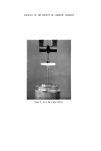
PERCUTANEOUS ABSORPTION OF TRICLOSAN 207 Shampoo application Thirty-two female Colworth-Wistar rats (110-130 g) were clipped and the exposed lumbar skin was pre-washed with a 20•o (v/v) solution of the shampoo base, rinsed and dried. Twenty-four hours later the animals were lightly anaesthetized with cyclopropane, oxygen and carbon dioxide gas mixture, and an area of 7.5 (or 15) cm 2 of skin was marked. 0.1 ml (or 0.2 ml) of the test shampoo was applied to the skin (7.5 or 15 cm 2 respec- tively) and spread over the marked area with a rounded glass rod. 0.1 ml (or 0.2 ml) of water was applied to the marked area and lathered with the glass rod for 1 min. The solution was left for a further 4, 9 or 19 rain (5, 10, or 20 min total) in contact with the skin before thoroughly rinsing the skin with distilled water. The rinsings were collected and monitored for tritium and the treated area of skin was dried by lightly dabbing with paper tissues. The treated area of skin was protected with a non-occlusive patch, which was composed of three layers of surgical gauze (3.0 x 3.5 cm for a 7.5 cm ø- area of skin) covered with 100 mesh stainless steel gauze and the whole wrapped around the trunk of the animal with perforated (5-10 holes/cm •) 'Sleek' tape (Smith & Nephew Ltd). The animals were placed in individual metabolic cages and excreta were collected separately in 24-hourly batches. At the end of the experiment the animals were anaesthetized, terminal heart blood taken and then sacrificed. The protective patch and treated area of skin, which was frozen until required, were monitored for tritium. Deodorant application Six female Colworth-Wistar rats (120 g) were prepared as described above. Twenty-four hours later the animals were anaesthetized and a protective card screen with a 7.5 cm 2 window was placed over the back. The aerosol can was aimed centrally over the window area and a 2-s spray applied with the can held approximately 15 cm away from the skin. The screen was removed, the treatment area marked with a felt-tipped pen and covered with a protective patch. The animals were then placed in separate metabolic cages and treated in the same way as the animals washed with shampoo. Topical application of Triclosan in ethanol A solution of [all] Triclosan in ethanol was applied to the skin of 12 female Colworth-Wistar 'rats (120 g). The treated area of skin was air-dried for about 20 s after which time the ethanol had apparently evaporated. The treated area of skin was covered with a protective non-occlusive patch

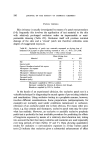
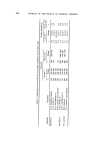
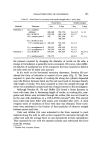
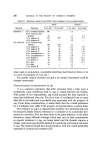
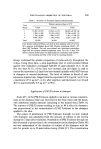
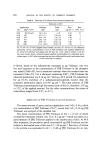
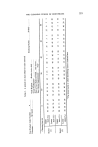
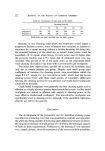
2O8 JOURNAL OF THE SOCIETY OF COSMoeTIC CHEMISTS and the animals placed in separate metabolic cages. The animals were killed at various times up to 96 h after application and excreta, blood, skins and protective patches were monitored for tritium. Rats on all treatments were fed on pellets of Spital diet (BOCM/Silcock, Process Development Department, Bromborough, Cheshire) and given water ad libitum. Analysis of biological samples for tritium Urines were made up to 50 ml and 2.0 ml aliquots were counted in 18.0 ml of Triton X-100: Toluene (1: 2, v/v) liquid scintillator containing 5.0 g PPO and 0.2 g POPOP/1. The samples were thoroughly mixed and counted in a Packard 4322 liquid scintillation spectrometer. A channels ratio technique was used to determine the counting efficiency and [1,2-alii n-hexadecane was used as an internal standard. All other aqueous samples (skin rinsings, standards and washings) were monitored in a similar manner. Faeces were freeze-dried and the sublimate was monitored for tritium. Aliquots of up to 350 mg of the residue were combusted in a Packard 305 sample oxidizer to determine the tritium content as tritiated water. Re- coveties of greater than 98•o were recorded from standards with counting efficiencies of up to 25•o. Full depth, 1 cm diameter punch autopsies of frozen skin were monitored for tritium either after combustion in a similar way to the faecal samples or after solubilizing in Soluene (Packard Instruments Ltd) at 40øC overnight and neutralizing with an excess of solid CO,,.. The protective patch was soaked in 50 ml ethanol at room temperature overnight and further extracted with 50 ml ethanol. The extracts were combined and aliquots were counted to determine the tritium content of the patch. Recovery of radio-activity by this method was better than 99•o. Blood tritium levels were determined by cornbusting up to 0.5 ml aliquots of blood in the Packard 305 sample oxidizer. RESULTS Turnover of subcutaneously injected Triclosan The recoveries of tritium in the urine and faeces of female rats during 4 days are presented in Table I, from which it can be seen that 89.2•o of the dose was recovered, some 33•o being present in the urine. The faeces
Purchased for the exclusive use of nofirst nolast (unknown)
From: SCC Media Library & Resource Center (library.scconline.org)