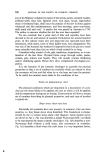
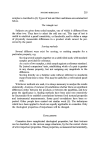
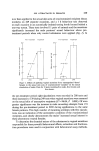
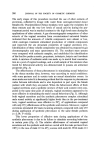
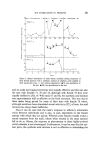
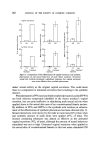
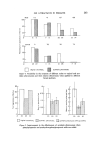
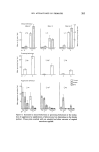
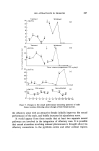
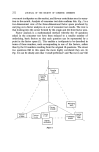
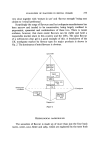
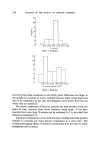
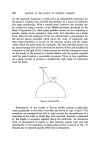
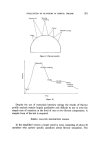
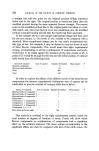
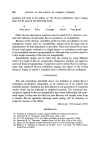
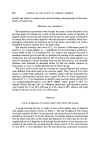
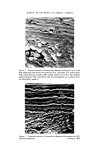
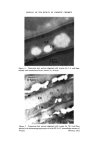
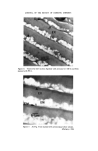
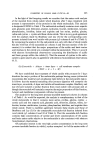
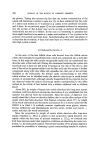
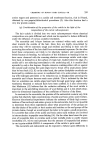
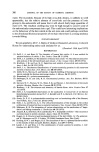
JOURNAL OF THE SOCIETY OF COSMETIC CHEMISTS Figure 2. Transverse section of human hair digested with trypsin for 5 h and then shadowed with carbon and platinum. EX, exocuticle EN, endocuticle CM, cell membrane complex NR, nuclear remnant of cortex PG, melanin pigment granule MF, macrofibril. NB. This photograph was prepared from an intermediate negative. _v Figure 3. Transverse section of human hair digested with pronase for 30 h and then shadowed. (Facing p. 290)

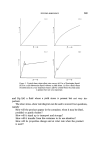
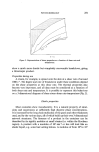
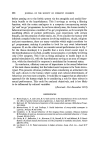
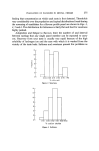
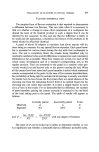
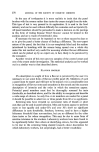
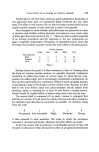
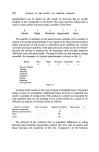
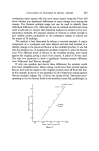
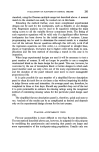
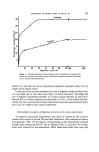
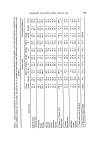
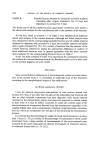
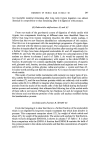
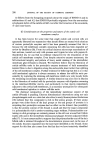
CHEMISTRY OF HUMAN HAIR CUTICLE--III 291 35- 30- 25- Pronase 3'0 4'0 5'0 6 ) 7 ) • 1•)0 Digestion time (h) Figure 1. Graph showing the gravimetric course of digestion of human hair cuticle with trypsin and with pronase. Each point shown represents the mean of two separate determinations. 260 about 115/o and that the slower dissolving component comprises about 9• by weight of the whole cuticle. In the case of the pronase treatment the rate of digestion within the first hour was very high and in that time some 22«5/0 of cuticle dissolved. Thereafter the rate of digestion diminished abruptly to a linear portion between 2« and 22« h. Beyond 30 h no further digestion occurred and in all 355/0 of the cuticle had dis- solved. The fast- and slow-dissolving components represent approximately 22«5/0 and 12«•o by weight of the cuticle respectively. Morphological progress of digestion of cuticle with trypsin and pronase An electron microscope examination was made of transverse hair sections treated with trypsin for 5 h and 70 h and then 'shadowed' with a mixture of carbon and platinum. After 5 h the regions corresponding to the endocuticle contained discrete holes measuring 0.05-0.1 gm in diameter (Fig. 2), and after 70 h larger holes were observed in the endocuticle. Often these latter holes were long and
Purchased for the exclusive use of nofirst nolast (unknown)
From: SCC Media Library & Resource Center (library.scconline.org)