J. Soc. Cosmet. Chem., 27, 365-376 (August 1976) Clinical Aspects of Dry Skin MARVIN E. CHERNOSK¾, M.D.* Presented, May 1975, Annual Seminar, St. Louis, MO. Synopsis: Adequate prevention and management of DRY SKIN problems are based on the prediction of establishing a correct diagnosis, a feat often not accomplished by patients and physicians. The incidence of DRY SKIN SYMPTOMS is increasing because of changes in the work and leisure time milieu of large portions of the population. Regula- tion of environmental exposure and patient education are important preventive measures. Specific methods for maintenance of STRATUM CORNEUM WATER BARRIER and BINDER CHARACTERISTICS are unknown, but many topically applied formulations, sometimes in coniunction with systemic medications, restore the skin to normal appearance clinically and rid the patient of associated symptoms. The cosmetic chemist, physician, and user of dry skin products should be aware that adverse reactions to their topical use Call OCCllr, CLINICAL ASPECTS OF DRY SKIN The tremendous magnitude of dry skin problems and associated dis- turbances are well known to the cosmetic industry as is evidenced by the great consumer demand for dry skin products. Let it suffice for us to say that hundreds of millions of dollars are spent annually in the United States for such products (1). The frequency of symptomatic dry skin problems seems to be increasing faster than can be accounted for by increases in population. Increased num- bers of people in the geriatric age group and man's relatively slow adaptive capacity to many changes within his environment seem to be causative. Frequency of symptomatic dry skin problems relates to such external fac- tors as industrialization, urbanization, efficient cleansing agents, availability of hot water, news media advertisements, jet age mobility, artificial at- toospheric conditions, and the anxieties produced in a co.mplex world society. *Department of De•Tnatology, University of Texas Medical School at Houston, 703 ltennan Professional Building, Houston, TX 77025. 365

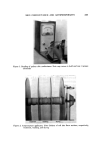
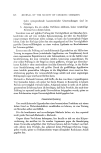
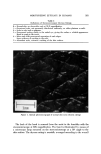
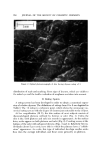
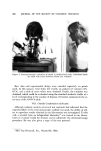
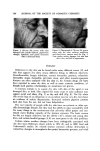
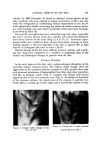
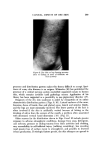
366 JOURNAL OF THE SOCIETY OF COSMETIC CHEMISTS Figure I. 69-year old person with solar damaged skin (senile elastosis, pigmentary changes, rhytidosis, and actinic keratoses) that is moist and shiny •:•} .. •.. !. •: .•:i:"" '(7: '"'•'! "' ':? '• . ß Figure 2. Photograph of 70-year old person taken with the same ambient conditions and fixed focus camera used for Fig. 1. lXote similar actinic damage, but also that skin is dry and dull in appearance ETIOLOCY References to dry skin can be found under many different names (2), and skin that appears dry often means different things to different observers. Neurodermatitis, fungus infections, contact dermatitis, psoriasis, seborrheic dermatitis, atopic dermatitis, pityriasis rosea, and other maculo-squamous diseases are often confused with dry skin (1, 2). Certain drugs (3) have been reported to cause dry skin, as well as many systemic conditions, al- though such positive relationships are sometimes not proven. A common mistake is to equate dry skin with skin of the aged or sun damaged skin, or both. Skin exposed for many years to solar radiation may appear moist and shiny (Fig. 1) or dry and dull (Fig. 2). The lily white skin on the hips of an old person or on an infant may be very dry, but shoves no evidence of actinic degeneration. Increased melanin pigment protects dark skin from the sun, but not from dehydration. The vast majority of people with dry skin have no systemic or other spe- cific dermatologic disease, but they lack the ability to cope successfully with the many things in the environment that adversely affect proper and con- tinued water binding capacity of the stratum corncure. The basic reasons t:or this are largely unknown, but the elderly (4-7), infants and young chil- dren, and certain familial groups (4, 6) are most prone to dry skin problems. Certain winter weather changes have been etiologically associated with dry skin since Duhring's classic article in 1874 (8), and in 1952, Gaul and Underwood's studies (4) related stratum corneum cellular destruction to wintertime changes in atmospheric clew point, barometric pressure, and wind
Purchased for the exclusive use of nofirst nolast (unknown)
From: SCC Media Library & Resource Center (library.scconline.org)