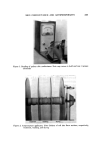
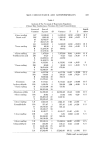
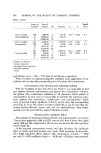
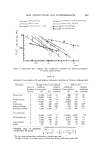
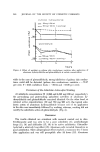
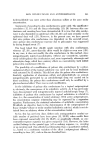
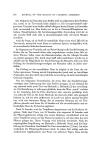
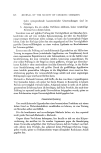
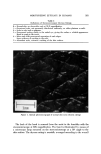
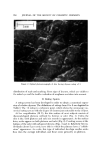
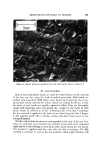
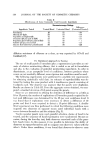
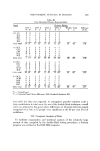
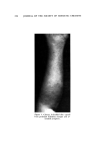
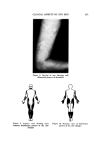
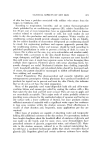
CLINICAL ASPECTS OF DRY SKIN 371 Figure 8. Dryskin of arm showing well delineated plaques of dermatitis Figure 9. Anterior view showing most common distribution pattern of dry skin changes Figure 10. Posterior view of distribution pattern of dry skin changes

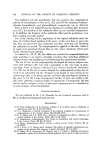
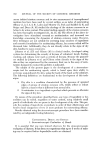
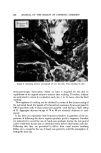
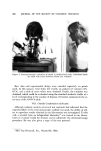
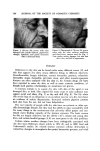
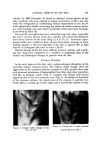
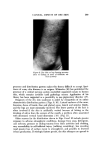
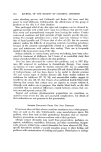
379. JOUBNAL OF THE SOCIETY OF COSMETIC CHEMISTS Figure 11. Chapped skin with fissuring at oral commissures (ped•che) and on chin. other areas, but ordinarily do not involve flexural or intertriginous areas of skin supplied with large amounts of sebum. l•REVENTION AND MANAGEMENT Total prevention of abnormally dry skin is not feasible in large portions of the population. Some groups are prone to dry skin problems because of age or genetic predisposition, or both. But every person's skin can develop dry skin signs and symptoms provided they are subjected to sufficient en- vironmental insults. Environmental Control and Protective Measures: Clinical and experimental observations which were alluded to previously indicate the effects of ambient conditions on skin dehydration and hydration. A patient subjected to windy dry weather conditions, at high or low temperatures, should be instructed to cover his skin with loosc fitting clothing so as to be better provided with a more isolated, private cutaneous atmosphere. The burnoose of the Bedouin is a more protective piece of clothing than are the shorts British soldiers wear in the desert. The jet age makes more people nomadic, and quick moves from humid climates to dry ones increase one's proneness to dry skin problems. Chapping
Purchased for the exclusive use of nofirst nolast (unknown)
From: SCC Media Library & Resource Center (library.scconline.org)