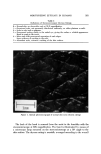
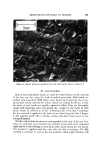
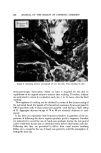
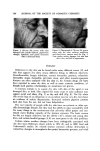
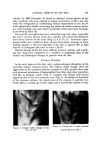
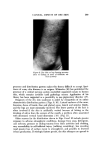
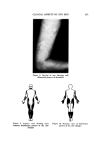
CLINICAL ASPECTS OF DRY SKIN 369 Figure 6. Dry skin on leg showing accentu- ation of change at some of follicular ori- fices (arrows) pearance and distribution pattern makes this theory difficult to accept. Spot- tiness of many skin diseases is an enigma. Whimster (16) has posttfiated the presence of a central nervous system controlled organized mosaic in human skin, which remains invisible until pathology occurs. Application of his theory has been suggested as a possibility in one pigmentary disorder (17). Diagnosis of the dry skin syndrome is aided by recognition of its rather characteristic distribution pattern (Figs. 9, 10). Lateral surfaces of the arms, forearms, dorsa of hands, iliac and gluteal areas, lateral and anterior thighs, and the legs are most commonly involved. The lower po•ion of the face is often involved if the skin is artificially wetted because of licking or the drooling of saliva from the corners of the mouth, a problem often associated with decreased vertical facial dimension (18) (Fig. 11). Other reasons for the distribution shown in Figs. 9 and 10 include greater exposure to adverse atmospheric conditions, damage from soap, detergents, and solvents, pressure or sliding trauma from daily activities and clothing, easy accessibility to self-inflicted injury (rubbing, scratching), less sweating (and greater loss of surface sweat to atmosphere), and possibly to lowered sebum production. If etiologic factors persist, dry skin changes can spread to

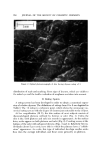
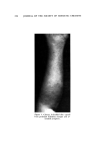
370 JOURNAL OF THE SOCIETY OF COSMETIC CHEMISTS Figure 7. Chronic lichenified skin caused from persistant hydration changes and as- sociated symptoms.
Purchased for the exclusive use of nofirst nolast (unknown)
From: SCC Media Library & Resource Center (library.scconline.org)