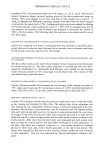
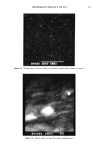
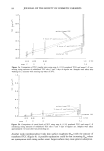
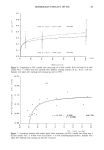
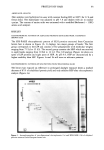
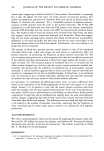
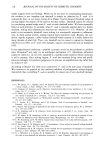
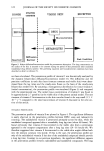
84 JOURNAL OF THE SOCIETY OF COSMETIC CHEMISTS 1.0 0.8 0. 6 molubi 1 izmd TCC 5 •oy• o• opplioot•o •.• •. 1• •. •fi •. 5• 1. • • TCC •oap C D E F, A Figure 5a. Comparison of TCC transfer rates using soap A (1.3% powdered TCC) and soaps C-F con- taining rising amounts of solubilized TCC after 3 and 5 days of regular use. Samples were taken after washing for 2 minutes with running tap water of 30øC. 0.13 0.26 0.5 1.3 • TCC eoop C D E F. ^ Figure 5b. Comparison of casual levels of TCC using soap A (1.3% powdered TCC) and soaps C-F containing rising amounts of solubilized TCC after 3 and 5 days of regular use. Samples were taken approximately 12 hours after last preceeding use. Another weak interdependence links skin surface roughness (Rtm) with the amount of transferred TCC (Figure 8). A possible explanation could be that increasing Rtm values are synonymous with rising surface areas: Larger surfaces may cause greater adsorption.

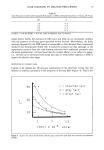
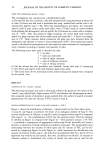
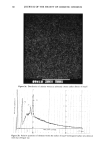
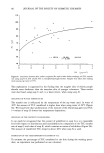
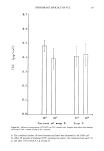
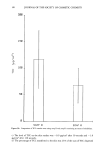
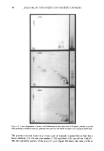
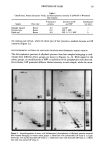
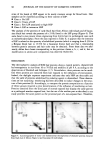
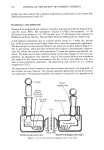
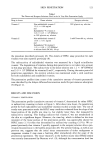
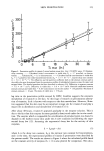
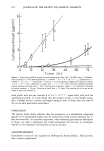
DEODORANT EFFICACY OF TCC 85 8.6 0.4 8.:3 Soop G, y=O. 11 + 0. 14(io•X) B=O. 562 • • • Soop i• X•O] 0. 09(lo•X) B=O. 965 0.0 , , , , , • Figure 6. Comparison of TCC transfer rates using soap D (0.26% soluble TCC) and soap G (0.26% soluble TCC + 0.06% wool wax alcohols) after different washing periods (10 sec, 40 sec, 120 sec). Samples were taken after washing with running tap water of 30øC. 8.25 0. 28 0.15 0.10 0. 05 [*] y - 0.152 - 0.00g B-O. 758 X - 0. 038 TCC [n•l. unitm] Figure 7. Correlation between skin surface lipids (after treatment) and TCC transfer rate using soap I (0.26% soluble TCC + 0.06% wool wax alcohols + 0.65% dimethylpolyglycolether). Samples were taken after washing with running tap water for 2 minutes.
Purchased for the exclusive use of nofirst nolast (unknown)
From: SCC Media Library & Resource Center (library.scconline.org)