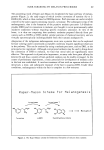
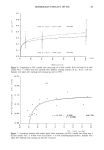
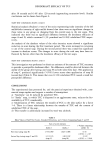
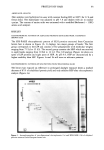
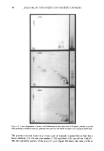
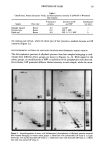
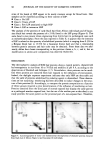
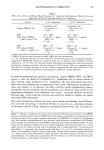
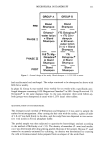
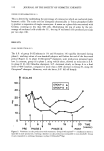
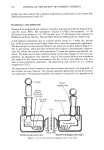
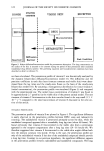
MICROFLORA IN DANDRUFF 111 GROUP A GROUP B Bland Bland Shampoo Shampoo Ethanol- 1% Octopirox e water lotion + 1% Clin- + Bland damycin Shampoo in Ethanol- water lotion (1:1) + Bland Shampoo , 0.8 •/o Ug- 1% Omadinee Octopirox e in bland in Bland Shampoo Shampoo Bland Bland Shampoo Shampoo PRE PHASE ]• PHASE Tr POST Figure 1. General design of the study. Bland shampoo = 6.25% LES •n water. both antibacterial and antifungal. The scalps continued to be shampooed as above with LES thrice weekly. In phase II, Group A was washed thrice weekly for ten weeks with a specifically anti- fungal shampoo containing 0.8% Magnesium Omadine © in LES. Group B received 1% Octopirox © in the same shampoo base. In the post-treatment three-week follow-up, both groups were shampooed as usual with 6.25% lauryl ether sulfate. QUANTIFICATION OF THE MICROFLORA The detergent-scrub method of Williamson and Kligman (11) was used to sample the surface for microorganisms. After cutting the hair trim with the surface, a glass cylinder of 3.8 cm 2 was held firmly to the skin, and the scalp flora was dispersed in two succes- sive 1-ml scrubs in Triton phosphate buffer. The pooled sample was then subjected to quantitative bacteriologic analysis according to the method of McGinley et al. (12). The density of anaerobes (P. aches) and aerobic cocci was determined after drop-plating graded dilutions of the sample. Because P. ovale cannot be accurately estimated by culturing, its density was determined by counting the cells in Giemsa-stained slides prepared from an aliquot of the scrub fluid.

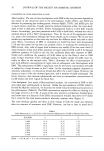
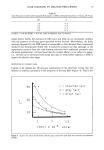
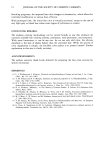
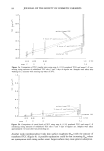
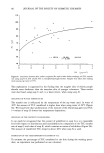
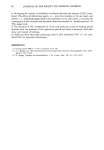
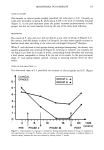
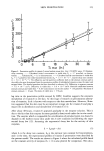
112 JOURNAL OF THE SOCIETY OF COSMETIC CHEMISTS INDEX OF INFLAMMATION (I. I.) This is derived by establishing the percentage of corneocytes which are nucleated (para- keratotic cells). The scales are first disrupted ultrasonically in Triton phosphate buffer to produce a suspension of single corneocytes. A smear on a glass slide was stained with Giemsa, counting no less than 500 cells. Multiplying the mg of scales by the per- centage of nucleated cells yields the I.I., the mg of nucleated cells produced per scalp per two days (10). RESULTS SCALE PRODUCTION (S. P.) The S.P. of group B (Clindamycin 1% and Octopirox 1%) quickly decreased during phase I, reaching values of non-dandruff subjects well before the end of the four-week period (Figure 2). In phase II (Octopirox © shampoo), scale production remained quite low. In contrast, group A in phase I, using vehicle alone, showed no reduction in S.P. In phase II (0-8% Omadine shampoo), S.P. decreased slowly in Group A to a final level of 40% baseline, compared to more than a 60% decrease in Group B, using the Octopirox © shampoo. Moreover, with the latter, S.P. fell off sharply. 50 40 SCALES GROUP A ß GROUP B ß 3O lO o 2 6 lO 15 20 TIME : (weeks) PRE PHASE T PHASE Tr POST Figure 2. Variations in scale production with treatments. Group B (Octopirox © + clindamycin) shows a rapid fall in scale production, reaching a baseline in scale production (comparable to non-dandruff). Group A only responded to antifungal shampoo in phase II (Omadine © Mg).
Purchased for the exclusive use of nofirst nolast (unknown)
From: SCC Media Library & Resource Center (library.scconline.org)