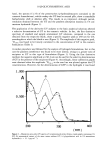
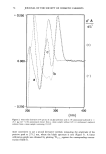
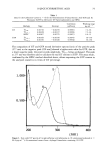
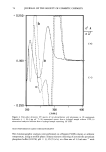
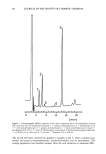
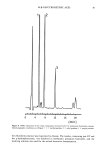
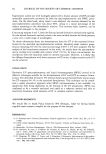
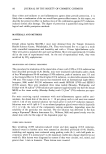
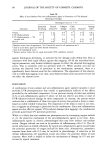
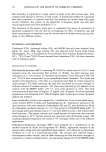
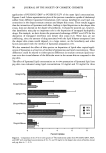
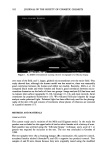
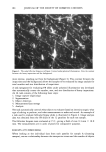
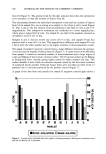
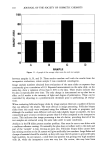
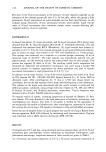
80 JOURNAL OF THE SOCIETY OF COSMETIC CHEMISTS 2 0 4 8 12 16 20 Figure 7. Chromatographic (HPLC) separation of the cream components left in the chloroformic solution after extraction with 1% ammonium hydroxide: 1 = methyl p-hydroxybenzoate 2 = dehydroacetic acid 3 = ethyl p-hydroxybenzoate 4 = propyl p-hydroxybenzoate 5 = butyl p-hydroxybenzoate. Column: 5 •m Hypersil C18,250 x 4.5 mm I.D. Mobile phase: acetonitrile:0.02 M potassium phosphate buffer (pH = 3) 60:40 (v/v) at a flow rate of 1.0 ml min-1. Detection: UV at 248 nm. The second derivative method was applied to samples 4 and 5, which contained just methyl and propyl p-hydroxybenzoate, imidazolidinylurea, and no antioxidants. The sample preparation was therefore simpler: After the acid extraction to eliminate IMU,

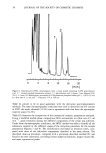
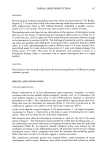
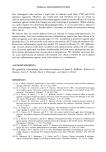
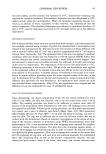
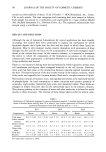
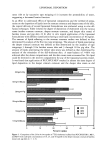
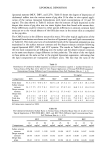
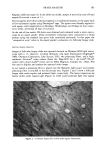
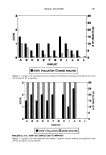
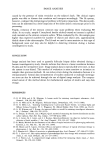
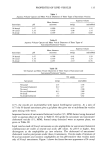
18 I3-GLYCYRRHETINIC ACID 81 I I I I I I 0 /4 8 12 16 20 {min) Figure 8. HPLC separation of the cream components extracted with 1% ammonium hydroxide solution. Chromarographic conditions as in Figure 7. 1 = methyl paraben 2 = ethyl paraben 3 = propyl paraben. the chloroform solution was evaporated to dryness. The residue, containing just GT and the p-hydroxybenzoates, was dissolved in methanolic potassium hydroxide, and the resulting solution was used for the second derivative determination.
Purchased for the exclusive use of nofirst nolast (unknown)
From: SCC Media Library & Resource Center (library.scconline.org)