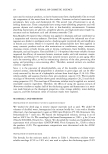
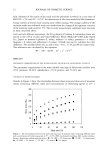
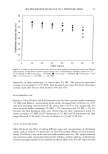
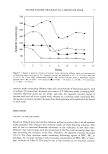
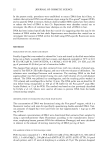
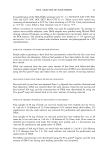
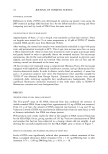
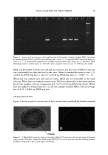
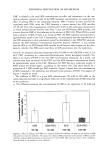
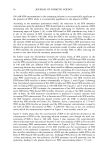
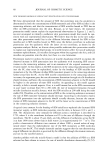
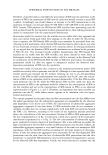
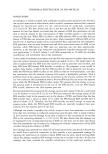
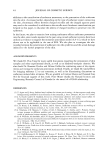
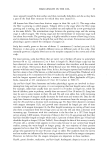
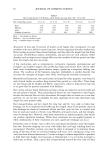
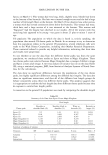
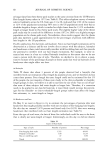
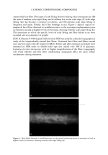
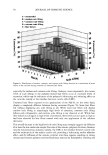
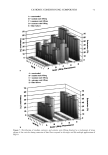
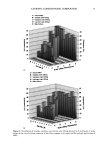
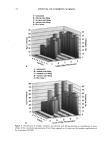
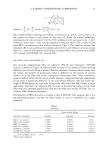
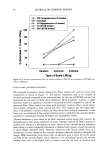
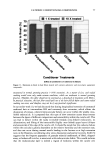
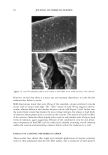
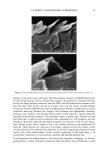
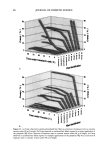
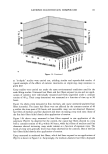
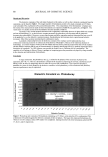
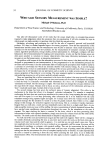
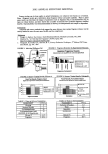
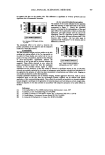
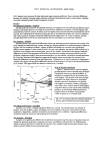
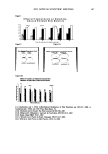
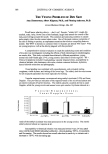
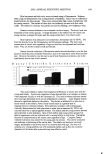
70 JOURNAL OF COSMETIC SCIENCE 7O A = unextended B = random scale lifting C = common scale lifting D = extreme scale lifting E = fiber failure 3O 10 0 10 9 i I • '•* ..... I C Fiber(o) 2 1 A B ScaleLifting I lO Figure 6. Distribution of random, common, and extreme scale lifting observed as a mechanism of stress release of the cuticula during extension of untreated hair fibers. especially for random and common scale lifting. However, most importantly, the various levels of scale lifting in the polymer-treated hair fibers occur at increased levels of extension, which may be indicative of the polymer's lubricating and softening effect on the cuticula, namely at the interface between cuticle cells (CiViC). Unaltered hair fibers exposed to ten applications of the PQ-10, on the other hand, display a completely different behavior during extension (Figure 7b). Some hair fibers fail without displaying any scale lifting at all. While most hair fibers still display random scale lifting at surprisingly high levels of extension, common scale lifting follows only infrequently, and extreme scale lifting is not observed at all. While hair fiber failure occurs again at high levels of extension, these levels are not quite as high as had been observed for hair fibers treated with only one application of the cellulose derivative. This overall decrease in the high levels of scale lifting may strongly suggest: (a) diffusion of at least the low-molecular-weight fractions of the cationic polymers for short distances into the non-keratinous domains, namely, the CiViC at the interface between cuticle cells and the endocuticle of the surface cuticle cell, providing a lubricating and/or adhesion effect, and (b) diffusion of the cationic polymer into these regions, resulting in strong interactions between polymer and non-keratinous material by hydrophobic bonding and

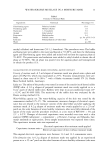
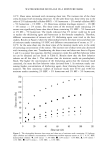
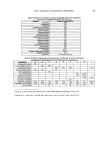
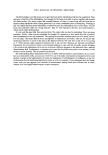
CATIONIC CONDITIONING COMPOUNDS 71 A = unextended B = random scale lifting C -- common scale lifting D = extreme scale lifting E = fiber failure a scale Lifting phenomenon i. I1 A = unextended B = random scale lifting C = common scale lifting D = extreme scale lifting E = fiber failure 70 60 50 40 30 20 scale Lifting Phenomenon lO i. I1 Figure 7. Distribution of random, common, and extreme scale lifting observed as a mechanism of stress release of the cuticula during extension of hair fibers exposed to (a) single and (b) multiple applications of PQ-10.
Purchased for the exclusive use of nofirst nolast (unknown)
From: SCC Media Library & Resource Center (library.scconline.org)