JOURNAL OF COSMETIC SCIENCE 260 leukocytes of acne patients. Further, alteration of oxidative stress parameters such as catalase, glucose-6-phosphate dehydrogenase, SOD, and malondialdehyde (MDA) in the venous blood of acne patients has been reported, favoring a role of ROS in acne (5), and patients with severe acne reportedly show higher MDA levels in the skin tissues and plasma (6). From therapeutic aspects, tetracycline, erythromycin, and minocycline are preferable, compared with other antibiotics, because of their ability to suppress the generation of ROS from neutrophils (7,8). Moreover, although ben- zoyl peroxide (BPO), one of well-established acne treatments, exerts its anti-acne effect through antibacterial activity due to the production of ROS (9), it possess di- rect cytotoxic effects on leukocytes, conversely resulting in the inhibition of ROS generation by neutrophils in a dose-dependent manner (10). This evidence to support the major pathogenic roles of oxidative stress in acne suggests that oxygen radical scavengers, including fullerene and its derivatives, could be potential therapeutic agents. Fullerene is a spherical carbon molecule that exhibits powerful radical-scavenging activ- ity because of its unique “cage” structure. Consequently, the antioxidant activity of fuller- ene is several-hundred-fold higher than that of other antioxidants (11). Thus, fullerene has been reported to be benefi cial in the treatment of neurodegenerative disorders (12) and arthritis (13–15) furthermore, it is expected to be applicable to various oxidative diseases (16). It has been reported that fullerene exhibits protective activity against kera- tinocyte apoptosis caused by the reactive oxygen species (ROS) that arise from UV expo- sure (17). Fullerene penetrates well into the epidermis (18) without skin irritation or toxicity (19,20), and its potential as a topical drug for acne vulgaris has been proposed (21). Indeed, our open clinical trial showed its effi cacy on acne vulgaris (22). However, fullerene is problematic in biological applications because it has poor solubility in polar solvents such as H2O. In recent studies, a polyhydroxylated fullerene derivative, fuller- enol, which is produced by a simple synthesis method, has been shown to have excellent water-soluble properties (23,24). In addition, our previous studies have demonstrated that fullerenol exhibits antimicrobial activity against P. acnes in addition to its potent antioxidant activity (25–28). These discoveries have prompted us to investigate whether fullerenol could be useful for the treatment of acne vulgaris. In this study, we have exam- ined the ability of fullerenol to suppress sebum production, and to inhibit the lipase ac- tivity of P. acnes. EXPERIMENTAL MATERIALS Fullerenol was synthesized according to the method reported in a previous study (24). Hamster sebocytes, derived from the sebaceous glands of the auricles of fi ve-week-old male golden hamsters, HuMedia-BB, and an assay kit for lipid production (SE-3001) were purchased from Kurabo Co. (Osaka, Japan). Clinically isolated P. acnes was ob- tained from Nicoderm Research Inc. (Osaka, Japan). GAM medium and adapalene were purchased from Nissui Pharmaceutical Co. Ltd. (Tokyo, Japan) and Funakoshi Co. Ltd. (Tokyo, Japan), respectively. We purchased 4-methylumbelliferone (4-MU) and 4-MU-oleate (4-MUO) from Sigma (St. Louis, MO).

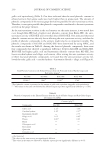
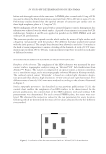
FULLERENOL SUPPRESSES SEBUM AND INHIBITS LIPASE 261 ASSAY FOR SEBUM PRODUCTION FROM HAMSTER SEBOCYTES Hamster sebocytes were grown in HuMedia-BB supplemented with 8% fetal bovine se- rum (FBS), 2% human serum (HS), and 10 ng/ml hEGF. After reaching confl uency, the culture was continued for a further seven days. The cells were then fed with HuMedia- BB supplemented with 8% FBS, 2% HS, and 10 μg/ml insulin to induce differentiation and thus sebum production, and simultaneously irradiated with UVB (10 mJ/cm2). Every second day the medium was changed and fresh fullerenol solution was added. After incu- bation for 14 days, the cells were harvested and subjected to an assay for lipid pro- duction (SE-3001 kit) by using the “oil red” method according to the manufacturer’s instructions this allowed us to determine the sebum produced per cell. Sebum pro- duction from hamster sebocytes was statistically analyzed by the Student’s t-test. Dif- ferences of p 0.05 were considered signifi cant. PREPARATION OF P. ACNES LIPASE Collected human sebum was suspended in boiled and de-aerated saline (10 ml). The suspension was placed on a GAM agar plate for the growth of anaerobic bacteria and cultured at 37°C for 48 h. A single colony of P. acnes was isolated and cultured in GAM liquid medium under the same conditions. The bacterial cells were collected by centrifugation (3,000g, 5 min, 4°C) and washed twice in 50 mM Tris-HCl (pH 7.4). The P. acnes cells were ruptured by ultrasonication and the obtained cell lysate was used as P. acnes lipase diluted to 100 μg/ml by Tris-HCl (50 mM, pH 7.4) (29). MEASUREMENT OF LIPASE-INHIBITORY ACTIVITY The inhibitory activity against P. acnes lipase was assessed by measuring the level of fl uorescent 4-MU produced by lipase from the oleate ester, 4-MUO. The reaction mix- ture was 4-MUO (25 μl, 0.1 mM) and a sample solution (25 μl). P. acnes lipase (50 μl) was added to the reaction mixture (fi nal volume, 100 μl). After the mixture was incu- bated at 37°C for 30 min, the amount of 4-MU released by the lipase was measured by using a fl uorescence plate reader (SpectraMax Gemini, Molecular Devices Inc., Sunnyvale, CA) (excitation: 335 nm emission: 460 nm). P. acnes lipase activity was determined as the amount of 4-MU released in 1 min (referred to a standard calibration curve for 4-MU) (29). The measurements were performed in triplicate, and half-maximal (50%) inhibitory concentration (IC50) values were determined according to the following regression line formulae: 50 1 0 IC value y =b x +b (1) 2 2 1 i i i i i Coefficient of regression b = N x y x y N x ª º ¦ ¦ ¦ ¦ ¦xi ª º ¬ ¼ (2) ª º ª º ¦ ¦ ¦ ¦ ¦ ¦xi ¬ ¼ ¬ ¼ 2 2 2 0 i i i i i i b = x y x y x N x (3)
Purchased for the exclusive use of nofirst nolast (unknown)
From: SCC Media Library & Resource Center (library.scconline.org)