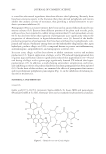
JOURNAL OF COSMETIC SCIENCE 430 AGA is hereditary and androgen-dependent, progressive thinning of the scalp hair that follows a defi ned pattern. The principal elements of the androgen metabolism involving androgen-dependent processes are predominantly due to the binding of dihydrotestoster- one (DHT) to the androgen receptor (AR). DHT-dependent cell functions depend on the availability of weak androgens, their conversion to more potent androgens via the action of 5α-reductase, low enzymatic activity of androgen inactivating enzymes, and function- ally active AR present in high numbers. The predisposed scalp exhibits high levels of DHT and increased expression of the AR. Conversion of testosterone to DHT within the dermal papilla plays a central role, whereas androgen-regulated factors deriving from the dermal papilla cells are believed to infl uence the growth of other components of the hair follicle (2,3). It was known that normal hair growth occurs at the level of the hair follicle in a 3-phased cycle: anagen (active growth phase), catagen (transition and involution phase), and telo- gen (resting phase) (4,5). Various cytokines and growth factors are also involved in the regulation of hair morphogenesis and growth. Catagen has been suggested to occur as a consequence of decreased expression of an antigen-maintaining factor, such as insulin-like growth factor-1 (IGF-1), basic fi broblast growth factor (bFGF), vascular endothelial growth factor (VEGF), and increased expression of cytokines such as transforming growth factor-β (TGF-β) and interleukin-1 (IL-1) promotes apoptosis (6,7). Two U.S. Food and Drug Administration (FDA)-approved pharmacotherapies, minoxidil and fi nasteride, are available for the treatment of AGA. Topical minoxidil solution 2% and 5% (Rogaine for men and women OTC, Pharmacia Corp., Peapack, NJ) has been shown to stimulate new hair growth and help prevent further hair loss in affected areas in both men and women with AGA (8,9), but the specifi c mechanism of the action is un- known. Propecia (fi nasteride Merck Co., Rahway, NJ) has recently been approved by the FDA in the United States for men with AGA. Propecia is a synthetic azosteroid and a potent and highly selective antagonist. Being a noncompetitive antagonist of 5α-reductase type 2, it binds irreversibly to the enzyme and inhibits the conversion of testosterone to DHT. In previous clinical trials in the treatment of men with male pattern hair loss, fi nasteride, 1 mg daily slowed the progression of hair loss and increased hair growth in treated men compared with those in the control group (10). Generally, minoxidil is well tolerated with long-term daily use. The side effects of minoxidil such as skin irritation (11,12), dizziness, tachycardia (11), and contact dermatitis (13) are uncommon. Few adverse side effects of fi nasteride were reported in the 5-year data. In the fi nasteride group, loss of libido was reported in 1.9% and erectile dysfunction in 1.4% in the fi rst year. The placebo groups reported these same events with frequencies of 1.3% and 0.6%, respectively. These events appeared to resolve on cessation of the treat- ment, and in some cases, during continued treatment (14). Testosterone 5α-reductase catalyzes the conversion of testosterone to an active androgen, dihydrotetosterone, which binds to the ARs and shows various hormonal actions. An excessive accumulation of dihydrotetosterone is recognized as the leading cause of male pattern baldness. Therefore, treatment with testosterone 5α-reductase inhibitor would be expected to lead to a decrease of dihydrotetosterone concentration in tissues, and may be useful for the protection of depilation.

HAIR GROWTH–PROMOTING EFFECT OF L. ESCULENTUM EXTRACT 431 On the basis of this reasoning, much research has been performed for natural crude drugs having 5α-reductase inhibitory activities (15–17). However, there remains a demand for a highly effective 5α-reductase inhibitor or hair growth promoter with an excellent safety and effi cacy profi le. L. esculentum is one of the most popular vegetables and lycopene is the principle carot- enoid causing the characteristic red hue of L. esculentum (18). Several reports show that diet rich in lycopene has benefi cial effects on human health (19,20). A possible role has been suggested for L. esculentum and its products in preventing cardiovascular disease (19,21) and protecting against some types of cancer (20,22). Especially, epidemiological studies have consistently showed an association between high intakes of lycopene and reduced prostate cancer risk. The lycopene contributed to the reduction of prostate cancer by interfering with logical testosterone activation by down- regulating 5α-reductase, and consequently reduced steroid target genes expression (22). On the basis of previous reports, our attention was drawn to the possibility of hair growth–promoting activity of L. esculentum extract, which contains high level of lyco- pene, regulating 5α-reductase activity. Therefore, in this study we evaluated the hair growth–promoting effect and the effect on several growth factors involved in hair growth of L. esculentum extract and isolated lycopene in C57BL/6 mice. MATERIALS AND METHODS SAMPLE PREPARATION AND MATERIALS L. esculentum was provided by Chal-Tomato Co., Ltd. (Daejeo, Busan, Korea). Fresh L. escu- lentum was thoroughly washed with tap water. After washing, the seeds were removed and the L. esculentum was chopped into cubes. Then, the cubes were freeze-dried for 3 days until a moisture content of ca. 0.8% was reached. The freeze-dried L. esculentum were then ground in a mill to pass through a 500-mesh sieve and then stored at −20 °C until use (23). PREPARATION OF THE L. ESCULENTUM EXTRACT The ethyl acetate extract (EAE) of L. esculentum and the isolated (=semipurifi ed) lycopene from L. esculentum was prepared according to the method of Roh et al. (23). In brief, EAE was ex- tracted from 100 g of the powdered freeze-dried L. esculentum with 1 L of ethyl acetate on the orbital shaking machine (30 rpm) for 30 min. Then, the resulting L. esculentum EAE was evaporated at the reduced pressure of up to 10% of the initial volume. Isolated lycopene (0.14 g 77.0%) from of L. esculentum EAE, using an antisolvent (methanol) salting-out method was prepared, and then dissolved in 100 ml Tween 80. The resulting lycopene Tween 80 solution was designated as LTS. Supercritical CO2 extraction of L. esculentum powder (100 g) was performed at 45 °C in 300 bars for 4 h, according to the method of Cadoni et al. (24). ANIMALS Twenty-fi ve female C57BL/6 mice (5 weeks old upon receipt SLC, Shizuoka, Japan) were treated after acclimatizing to the laboratory conditions for 7 days. Animals were allocated
Purchased for the exclusive use of nofirst nolast (unknown)
From: SCC Media Library & Resource Center (library.scconline.org)