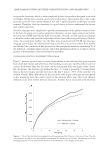
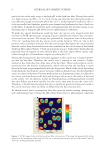
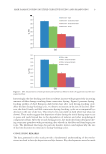
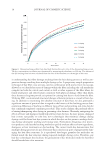
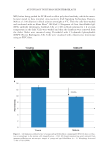
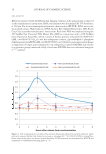
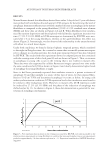
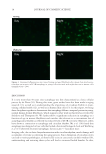
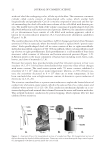
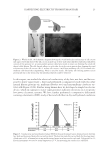
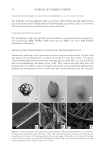
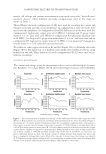
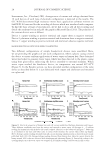
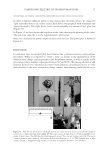
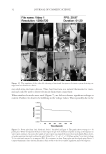
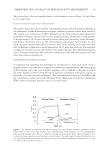
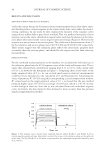
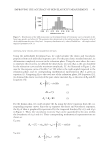
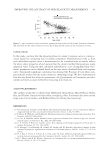
JOURNAL OF COSMETIC SCIENCE 32 Figure 12. The snapshots of the video fi le showing a functional low-power electronic system deriving en- ergy from hair bioelectric device. Figure 13. Power plot from “hair bioelectric device” described in Figure 9. The graph shows average (n = 6) power plot. When we exposed the hair to water vapor we get 0.01 milliwatt of power as long as the exposure to water vapor continues. As soon as the supply of water vapor was stopped the power decreased sharply. Basic electri- cal power equation was used to obtain the plot: Power (P) = I V = R × I2 = V2∕R where power P is in watts, voltage V is in volts and current I is in amperes (DC), R is resistance in ohm. Power plot was developed using Device 2 (copper/aluminum). Since the hair polymer is fairly stable so the device exhibit signifi cant period of longevity. run solid-state electronic devices. Thus, hair functions as a natural thermoelectric mate- rial and could be used to derive electricity from waste, moist heat. When similar electrodes were used (Figure 7), we did not observe signifi cant voltage or current. Further, we observed a wobbling in the voltage values. This is possibly due to the

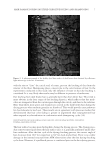
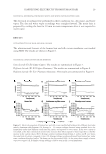
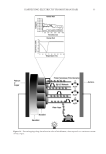
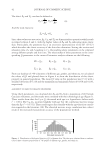
HARVESTING ELECTRICITY FROM HUMAN HAIR 33 Figure 14. Proton hopping along the α-keratin tubes of hair fi lament, when exposed to a continuous stream of water vapor.
Purchased for the exclusive use of nofirst nolast (unknown)
From: SCC Media Library & Resource Center (library.scconline.org)