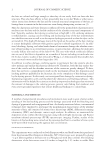
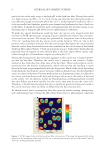
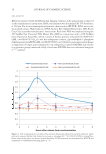
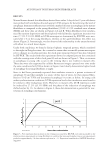
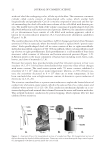
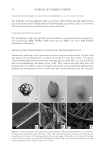
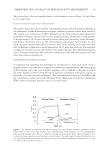
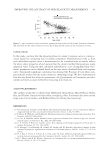
JOURNAL OF COSMETIC SCIENCE 30 DSC The results are summarized in Figure 10. DSC data indicated that hydrated polymer ex- hibit an endothermic reaction between 50° and 80°C, which signifi es rapid movement and elimination of water molecules on the polymer surface. Figures 10. Shown are the DSC curves of hair and silk cocoon under two different conditions viz., without moisture and with moisture. These curves show an unique endothermic thermal event between 50° and 80°C, which resulted in rapid movement of water molecules on the surface of these polymers, thus resulting in the hopping of protons. Similar results were observed in earlier studies with keratin fi bers (28–30).

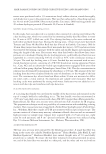
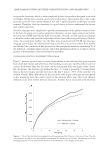
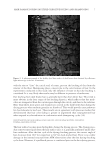
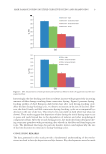
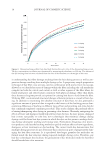
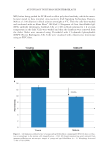
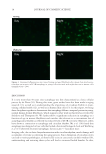
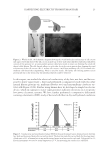
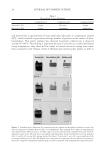
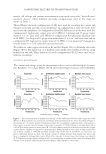
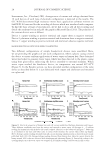
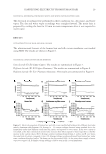
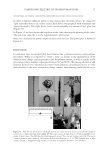
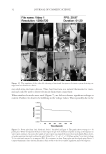
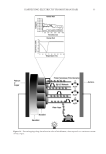
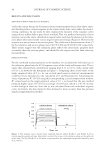
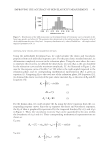
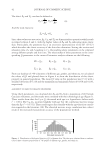
HARVESTING ELECTRICITY FROM HUMAN HAIR 31 DEVELOPING AN ENERGY HARVESTING BIOELECTRICAL DEVICE USING HUMAN HAIR In order to harvest suffi cient power to run a low power electronic device, we connected eight individual devices in a series circuit. Each device was prepared with aluminum and copper electrodes. The eight device series circuit assembly was mounted on a glass rod (Figure 11). In Figure 12, we have shown the snapshots of the video showing the glowing of the video. The real-time video fi le is in the supplementary information. Next, we calculated the power output of such crude devices. The power plot is shown in Figure 13. DISCUSSION In summary, here we showed that hair behaves like a thermo-sensitive solid polymer electrolyte. When it is exposed to “water + heat”, it results in the mobilization of the inherent ionic charge carriers present in the biopolymer matrix, as well as results in the generation of large number of protons (between 50° and 80°C). By placing the hair or silk polymer between two dissimilar electrodes (with different electronegativities), we offer directionality to the ionic and proton charge carriers, thus deriving useful electricity to Figure 11. Hair bio-electrical device: (A) Eight devices are connected in as series circuit and the output is connected to a light-emitting diode (LED). (B) The series circuit of eight devices. (C) Glowing LED on ex- posure to water vapor. The LED has the following specifi cations. This is a very standard red LED. The lens is 3 mm in diameter, and is diffused. The features include the following: a. 1.8–2.2 VDC forward drop. b. Max current: 20 mA. c. Suggested using current: 16–18 mA. d. Luminous Intensity: 150–200 mcd.
Purchased for the exclusive use of nofirst nolast (unknown)
From: SCC Media Library & Resource Center (library.scconline.org)