JOURNAL OF COSMETIC SCIENCE 78 and slightly raised striae, termed SD rubra. These then progress into a purple hue, termed SD purpuric. Finally, they progress to a chronic form where they appear hypopigmented and atrophic. This end state is often termed the fi nal scar and referred to as SD alba (3–5) . Although they do not cause signifi cant medical problems, aesthetically, SD can be a cause of great concern or psychological stress for many individuals. Thus, a variety of modalities have been attempted to treat SD, but there is no exemplar treatment that is currently available. Currently available treatment options range from topical creams to more invasive procedures, such laser therapy, microneedling, and radiofrequency treatments. These in- vasive procedures have been shown to improve the appearance of SD to a variable degree, but they are often costly and require multiple treatment sessions at a physician’s offi ce, which can result in postprocedure downtime for the patient. Furthermore, complications associated with these treatments can include postinfl ammatory hyperpigmentation (PIH), which is common with lasers, as well as redness, pain, and edema, which are com- mon issues with lasers, microneedling, and other devices such as radiofrequency (6–12) . From a practical standpoint, considering the cost of and access to treatments, topical creams are often the fi rst-line treatment for SD in many patients (3). As a result, there is a multitude of topical products on the market, and many claims to improve the appear- ance of SD without any scientifi c evidence. Of particular note, there is some evidence in the literature to support the use of specifi c topical ingredients for reducing SD. For instance, ingredients such as selective growth factors, aloe vera, Centella asiatica, hyaluronic acid (HA), vitamin C, and silicone cream have all been shown to improve SD and postsurgical scars (12–22). In fact, a recent topical formulation using the ingredients mentioned ear- lier was used to evaluate postsurgical scars in a head-to-head double-blind prospective randomized multicenter trial. The fi ndings demonstrated this formulation was 73% more effective than generic silicone cream in improving the appearance of scars (23) . Given the knowledge that SD are similar histologically to scars and often termed a der- mal scar, we hypothesize that this same formulation that was shown to improve scars nearly 2 times better than silicone cream in postsurgical scars may provide improvement in the appearance of SD. In this study, we evaluate the safety and effi cacy of a proprietary product that includes selective growth factors and other ingredients such as aloe vera, Centella asiatica, HA, and vitamin C within a silicone cream in treating SD. METHODS This study investigates the safety and effi cacy of a proprietary product in treating SD. The topical formulation consists of synthetic recombinant TGF-β3, HA, aloe vera extract, Cen- tella asiatica extract, oil-soluble vitamin C, and several other synthetic recombinant hu- man growth factors that are implicated in the wound-healing process. The silicone portion consists of dimethicone 10%. The topical product is manufactured by MD Medical Designs, Inc. (Beverly Hills, CA). The protocol for the study was conducted according to the Declaration of Helsinki and the Health Insurance Portability and Accountability Act. Subjects older than 18 years with SD of the abdomen, thighs, or buttocks were included in this study. Subjects with bothersome SD who were existing patients in the medical offi ce of author C. I. Z. were included. Patients who had received previous treatments for the same SD, including laser resurfacing, radiofrequency, microneedling, or other topical treatments were excluded. In addition, female patients who were pregnant or breast feeding

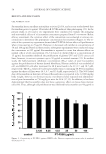
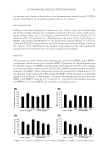
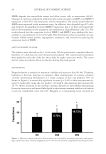
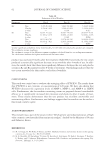
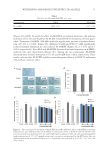
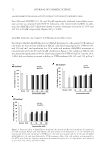
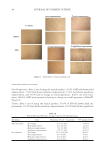
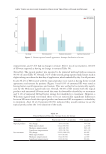
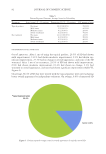
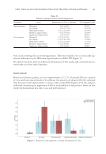
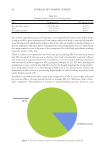
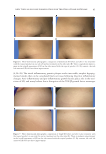
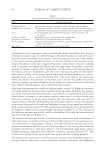
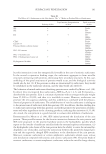
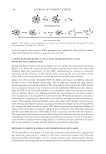
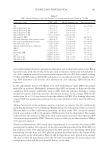
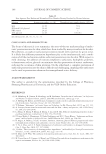
NEW TOPICAL SILICONE FORMULATION FOR TREATING STRIAE DISTENSAE 79 were also excluded from the study because of possible compounding factors in SD. Patients with SD alba were included in the study, and those with SD rubra or purpuric were excluded. In this split study, participants were assigned based on a computer-generated randomization protocol such that half, laterally, of the subject’s SD were treated with the proprietary product and half were left untreated. Participants were instructed to massage the product into the designated SD two times per day for 1 mo. Subjects were assessed at baseline and again at 1 mo. At the month 1 follow-up visit, patient-reported outcome surveys were obtained for each side. Subjects were asked to grade the overall appearance and texture of their SD as no change, mild, moderate, or signifi cant improvement through a survey. Subjects were also asked to grade their toler- ability of the product as no, mild, moderate, or severe issues (Table I). Last, subjects were asked if they would continue with this treatment, yes or no. Three-dimensional imaging was performed before treatment was administered and at the 1-mo follow-up visit using a standardized Canfi eld Vectra 3D imaging system (Canfi eld Scientifi c Inc., Parsippany, NJ). Two independent evaluators, both licensed physicians in their residency training (dermatologist and plastic and reconstructive surgeon), blinded to the study treatment, assessed the images before and after treatment and graded the appearance of each side on overall appearance: –1 indicating worsened appearance, 0 indicating no change, 1 indi- cating mild improvement, 2 indicating moderate improvement, and 3 indicating sig- nifi cant improvement (Table II, Figure 1). In addition, the evaluator was also asked to indicate which side appeared better overall, left or right. RESULTS Twenty-two subjects (20 females and two males) met the criteria and were enrolled in this study. This included 11 abdomen, four thigh, and seven buttock SD. All subjects had SD alba. The mean age of subjects was 36.5 (SD ± 9.8) years. Table I Patient-Reported Outcome Score 0 1 2 3 Overall Appearance No change Mild improvement Moderate improvement Signifi cant improvement Texture No change Mild improvement Moderate improvement Signifi cant improvement Tolerability No issues Mild issues Moderate issues Severe issues Table II Independent Evaluator Scale Score -1 0 1 2 3 Overall appearance Worsened No change Mild improvement Moderate improvement Signifi cant improvement
Purchased for the exclusive use of nofirst nolast (unknown)
From: SCC Media Library & Resource Center (library.scconline.org)