JOURNAL OF COSMETIC SCIENCE 440 INTRODUCTION Cutaneous wrinkling is commonly associated with aging, mechanical and chemical in- sults, and radiation. The reduced skin thickness and resilience arise from the failure of fi broblast reconstruction of the dermal extracellular matrix (1). To date, the most effective and commonly used treatments are topical retinoids that bind to their nuclear receptors, thereby increasing collagen I and III production, and reducing infl ammation among other actions (2). But these compounds have side effects, a narrow therapeutic window, and are available only on prescription in some countries, a barrier to cosmetic applications. Several herbal preparations have been reported to curtail or reverse wrinkle formation, including Centella asiatica. Centella asiatica (L.) Urban (Apiaceae), commonly called Asiatic pennywort, Gotu kola, or Indian pennywort,is a leafy rampant creeper that grows pre- dominantly in wetlands across southern and eastern Asia. Its leaves in particular are used as food in varying forms while also enjoying widespread application in medicines to treat a diverse range of ailments (3). These include peptic ulcer (4), diarrhea (5), fl atulence (5), convulsions (6), and cognitive impairment (7). For cosmetic purposes, C. asiatica has been reported to ameliorate bruising, to retard loss of skin elasticity (8,9), to improve postpar- tum stretch marks (10), to reduce skin wrinkling (11), and to promote wound healing (12). The active ingredients of C. asiatica are several pentacyclic triterpenoids and their glycosides including asiatic acid, asiaticoside, madecassic acid, and madecassoside which collectively comprise 2–8% dry weight of the plant (13) and are responsible for the me- dicinal actions (3) of cosmetics (14). Lesser amounts of other terpenes and many secondary metabolites are found in C. asiatica but too little for pharmacological action C. asiatica. C. asiatica has been added to numerous formulations for the aforementioned conditions which are described in several reviews about C. asiatica, but there is a paucity of those focusing on the effi cacy and safety data when present in cosmetics. This study aimed to address this issue, specifi cally by systematically reviewing studies on facial wrinkles. METHODS ELIGIBILITY CRITERIA This systematic review and network meta-analysis (NMA) used characteristics following the participants, interventions, comparisons, outcomes, study design criteria: the partici- pants were healthy volunteers the intervention groups received C. asiatica as the sole active ingredient, and applied topically the comparator groups did not receive C. asiat- ica outcome measures were (i) skin wrinkling, (ii) adverse events (AEs), or (iii) partici- pant opinion/satisfaction and the study design was randomized controlled trials (RCTs). SEARCH STRATEGY We searched PubMed, Embase, the Cochrane Central Register of clinical trials, Allied and Complementary Medicine Database, CINAHL, the Thai Library Integrated System, and Thai university databases/journals (Chulalongkorn, Mahidol, and Naresuan Universities), and also screened the WHO clinical trials registry, Clinicaltrials.gov, “grey” literature

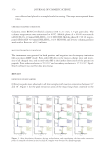
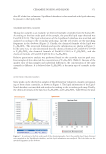
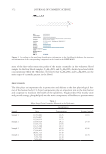
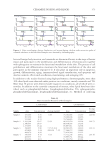
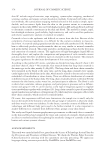
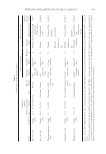
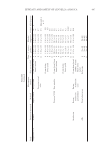
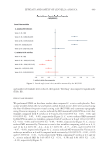
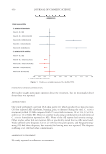
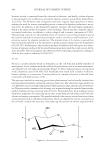
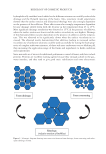
EFFICACY AND SAFETY OF CENTELLA ASIATICA 441 reports and similar studies from their inception to May 2019. Search keywords were “C. asiatica,” “Gotu kola,” “Asiatic pennywort,” and “Indian pennywort.” We included studies that assessed cosmetic effi cacy and safety by (a) RCTs that compared C. asiatica with no C. asiatica (b) RCTs having suffi cient information about cosmetic outcomes classifi ed as (i) skin wrinkling, (ii) AEs, or (iii) participant opinion/satisfaction and (c) being published in any language. Two discovered studies were unpublished masters thesis lodged in the Thai thesis data- base. We also searched national databases in India and Malaysia, but no study fi tted our criteria. DATA EXTRACTION Two investigators (N. C. and P. M.) independently screened the titles and abstracts of relevant studies and made full-text assessments of those written by the same authors fol- lowing our eligibility criteria. We extracted by study design, area of use, participant characteristics (such as gender, mean age, and number of participants), details of the in- tervention (such as dosage regimens, dose, and durations), and cosmetic outcomes. All extracted data were independently checked by C. K. and C. N. S. QUALITY ASSESSMENT Each included study was assessed by three investigators (C. K., P. M., and C. N. S.) using the Cochrane Risk of bias 2.0 tool for RCTs (15). DATA ANALYSIS For each cosmetic outcome, the mean differences (MD) between C. asiatica and comparator groups [and 95% confi dence intervals (CIs)] after 0, 4, 8, and 12 w using C. asiatica. Inter- group comparisons were performed using the DerSimonian–Laird random effects model (16). Heterogeneity in each comparison was assessed using the I2 statistic (17). Statistical analysis was performed using STATA/SE, v. 14 (StataCorp LLC, College Station, TX). RESULT SEARCH RESULTS Six hundred seventy-one articles were identifi ed. After screening, 654 articles were ex- cluded because they did not fi t the eligibility criteria, and 12 articles described the same studies, leaving fi ve included articles (Figure 1). STUDY CHARACTERISTICS Two studies were from South Korea and two from Thailand (in Thai) and one from China (C. asiatica has been tested in many Italian trials but excluded because the intervention
Purchased for the exclusive use of nofirst nolast (unknown)
From: SCC Media Library & Resource Center (library.scconline.org)