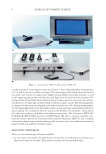
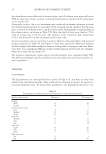
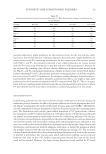
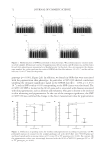
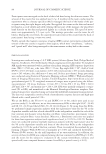
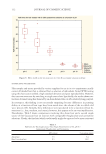
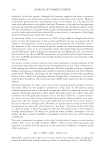
JOURNAL OF COSMETIC SCIENCE 8 IN VITRO ASSESSMENT OF EMULGEL The pH of the obtai ned formulation containing wild LG oil remained constant after the cycles of freeze and thaws which were conducted using two different temperatures as summarized in Table V. The centrifugation technique is usually used to study the long-term physical stability of a semisolid pharmaceutical or formulation (27). Our emulgel retained the consistency and homogeneity even after 1 h of centrifugation at 3,000 rpm, and no phase separation was detected. In addition, the micrographic observations before and after accelerated stability tests showed that neither change in the general appearance of the micelles nor inversion was observed. The effi cacy of topical product depends on the spreading pattern of the semisolid product to deliver a standard dose. Accordingly, the consistency of such a product may en- sure that a suitable dose is applied to the target site. In fact, a very thin layer or the reduced dose may not deliver the desired effect, although a thick layer may result in an excessive dose which may lead to undesirable side effects or even lower consumer compliance. Accordingly, the spreadability of the formulation is important to ensure a consistent pattern of the application. In this study, the calculated spreading value was 76.5 g/cm, which refl ects the excellent spreadability value. This value is suitable for emulgel formulation as compared with the previous study (22). Also, the viscosity of the emulgel was measured at Table V pH Values of LG Emulgel Formulations Before stability After F/T (25°C) After F/T (40°C) 5.96 6.01 6.04 Figure 2. Percentage yield of LG essential oil versus harvesting time.

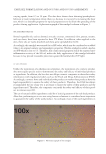
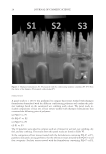
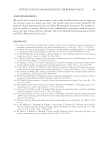
EMULGEL FORMULATION AND IN VITRO AND IN VIVO ASSESSMENT 9 varying speeds, from 0.5 to 50 rpm. The data have shown shear thinning/pseudoplastic behavior at room temperature where there is a decrease in viscosity by increasing the shear rate, which is a desirable property for topical preparations to facilitate the spreading of the product during application. A photomicrograph of the emulgel is shown in Figure 3. SPF ASSESSMENT RESU LT Several vegetable o ils, such as almond, avocado, coconut, cottonseed, olive, peanut, sesame, and soya bean, have been reported to have UV fi lters. In addition, when applied to the skin, these oils are easily absorbed and show great spreadability (8,28). Accordingly, this emulgel was assessed for its SPF value, which may be considered as an added value to its original cosmetic and organoleptic properties. The LG emulgel recorded a moder- ate SPF which is close to 5.5. Therefore, this cosmeceutical property, beside the reported anti- infl ammation activity of the LG oil, makes the daily application of this emulgel advisable because it may provide reasonable protection against the harmful effect UV light. IN VIVO STUDIES Unl ike the registra tion of a pharmaceutical product, the registration of a cosmetic product does not require specifi c tests to demonstrate the safety and effi cacy of individual products or ingredients. In addition, the law does not oblige cosmetic companies to share their safety information with regulatory bodies such as the Food and Drug Administration (FDA). Accordingly, cosmetic fi rms and individuals who produce or market these products have the legal responsibility to ensure the safety of their products. Therefore, the FDA has always recommended the use of any test is necessary to ensure the safety of their products and the ingredients used. Therefore, the companies can justify the safety and effi cacy of their prod- uct in various ways (29). The use of natural edible ingredients could be of initial guarantee of the safe fi nal product. After that, performing an in vivo test using human volunteers is considered most important to guarantee the safety of the used product. Accordingly, most of the used ingredients in Figure 3. Photomicrograph of the emulgel.
Purchased for the exclusive use of nofirst nolast (unknown)
From: SCC Media Library & Resource Center (library.scconline.org)