JOURNAL OF COSMETIC SCIENCE 64 very important indicator of aging. In addition, all skin types can develop hyperpigmen- tary problems with aging, for example, postinfl ammatory hyperpigmentation, solar lentigos, and melanoma (1). The importance of skin aging tends to vary in degree according to age, gender, individual lifestyle, and inherited genetic susceptibility (2). Although external factors are known to be important risk factors in skin changes, they do not explain indi- vidual differences in the degree of these changes, despite many previous studies on this topic. Interestingly, the differences in the degree of change for each skin indicator refl ect individual characteristics that are independent of external factors. In addition, the inter- est in skin indicators may vary according to age-group and individual skin conditions (3). In particular, individuals with skin-related diseases or problems are likely to be interested in relevant skin indicators. Therefore, studies (2–11) are being actively conducted to un- derstand the differences in individual skin changes, such as aging, dryness, freckles, wrinkles, and sensitivity. Individual skin characteristics are mostly congenital features inherited from one’s par- ents, and changes in response to external factors are often attributed to these characteris- tics. Therefore, it is essential to study genes to understand the differences in the degree of change in skin indicators, and previous studies have reported some skin-related gene variants. These skin-related gene variants have been shown to correlate with an increased risk of developing certain diseases, such as erythema and skin cancer (MYH7B and PIGU, respectively), and with cosmetic appearance-related traits, such as sun sensitivity (ASIP) (12), hydration (SSBP), pigmentation (OCA2, TPCN2, and ASIP) (12,13), wrinkles (SHC4 and genes on 10q26.13) (14), freckles (TYR, OCA2, and MC1R) (13), and visible aging (DIAPH2 and EDEM1) (15). There are also many reports of genetic variation re- lated to skin characteristics. Furthermore , previous reports have indicated that the expression of several genes corre- lates with changes in skin conditions by using various strategies, including functional studies, animal experiments, and large-scale population studies. Changes in ASIP expres- sion are associated with depigmentation of the epidermis in rats (16), and the OCA2 single-nucleotide polymorphism (SNP), rs1800414 (His1844Arg), was identifi ed in a skin pigmentation reaction study, in which 1,159 individuals living in southwestern China and 359 people living in Cambodia were included (17). Regarding the functional studies, the amount of melanocytes decreased when OCA2 knockout was performed in zebra fi sh and mouse experiments (17). TPCN2 affects the size and pH control of mela- nosomes in human melanocytes (18), and MC1R was tested in 13,017 middle-aged Cau- casian women in France to assess their sensitivity to the sun (19), skin pigmentation, and freckles. In this study, 15 genetic variants were identifi ed (Arg151Cys, Arg160Trp, Ar- g142His, Asp294His, Ile155Thr, Asp84Glu, Val60Leu, Val92Met, Arg163Gln, Ser- 83Pro, Thr95Met, Pro256Ser, Val265Ile, Ala166Ala, and Gln233Gln) and analyzed to determine its correlation with skin features (19). Through this, it was found that MC1R polymorphisms may be associated with sensitivity to ultraviolet-induced DNA damage. Moreover, a number of genome-wide association studies (GWASs) have been published, and many disease-associated genetic indices have been identifi ed (20). According to the recently reported European GWAS results (21), 42 studies on human phenotypes have been identifi ed and multiple loci associated with skin-related properties such as male baldness, unibrow, jaw dimple, and nose size have been reported. However, most large- scale association studies were performed in population samples that were predominantly of European ancestry. Furthermore, many studies evaluating specifi c traits present in

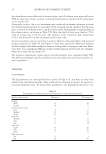
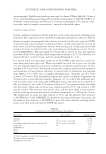
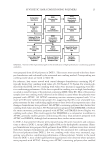
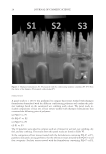
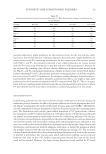
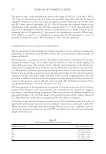
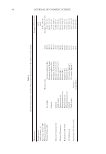
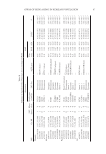
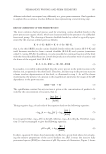
GWAS OF SKIN AGING IN KOREAN POPULATION 65 various populations are actively being conducted, and data on new genetic variations and characteristics by race have been reported (22–24). However, the available skin GWAS results are largely limited to the traits of skin pigmentation, sensitivity to the sun, and infl ammation. Although GWASs of pigmentation and sensitivity have been published, no such studies exist regarding the Korean population. The aim of this study was to identify the indicators of skin changes based on genetic variants specifi c to Koreans and to provide personalized solutions based on these indicators. MATERIALS A ND METHODS PARTICIPANT S The sample population investigated in this study consisted of 1,079 Korean women recruited between January 2019 and November 2019 at P&K Skin Research Center (Seoul, Korea). All recruited participants were female without skin-related diseases, and their average age was 40.81 years (Table I). All participants provided written informed consent, and this study was approved by the Institutional Review Board of the Theragen Etex Bio Institute (IRB No.: 700062-20190819-GP-006-01). MEASUREMENT OF SKIN PHENOTYPES To measure skin traits, various measuring devices were used. For wrinkles, a Primos CR (Canfi eld Scientifi c, Parsippany, NJ) was used to perform measurements at wrinkle sites, including the average roughness on the side of the eye, the maximum wrinkle depth on the side of the eye, the average roughness of the glabella, and the maximum wrinkle depth of the glabella. A CM-825 Corneometer® (EnviroDerm Services Ltd., Hedworth, Grange Court, United Kingdom.) was used to measure moisture content of the glabella and cheek. Pigmentation was divided into melanin and brightness categories using a Mexameter® MX 18 (Courage + Khazaka electronic GmbH, Köln, Germany) and a CM-700d (Konica Minolta inc., Tokyo, Japan) instrument, respectively. To identify the skin oil content, the average oil content was measured using an SM 815 Sebumeter® (Courage + Khazaka elec- tronic GmbH., Köln, Germany) on the glabella and right cheek. Finally, we performed a sensitivity assay in which a 10% lactic acid treatment was applied to the skin over time no measuring device was used for this assay because skin sensitivity is specifi c to the individual, and individual sensitivity was identifi ed on the basis of the skin’s reaction. TARGET SKIN PHEN OTYPE GRADING SCALE It can be compli cated to use measured values to perform GWASs because the measured values for the same phenotype may differ according to the measurement instrument. To solve this problem, we scored each measurement item using codes. The measured values for each item were divided into tertile criteria to delineate groups, and scoring was performed for each tertile group to quantify the integrated score for the target phenotype (Table II). Therefore, we sum- marized the total score for the “target phenotype for GWAS” and analyzed each phenotype.
Purchased for the exclusive use of nofirst nolast (unknown)
From: SCC Media Library & Resource Center (library.scconline.org)