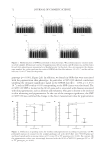
JOURNAL OF COSMETIC SCIENCE 82 cue. On the other hand, there was no signifi cant activity or correlation before the luxury cues. In addition to the effect of luxury cues, the texture of a product also has a fundamental emotional value that is important for consumer satisfaction because it causes consumers to experience pleasant feelings (2). The physical aspects of product texture have been studied (3) in addition to the associated subjective feelings generally tested using sensory evalua- tions. However, the neural process underlying how the texture of a skincare product is processed as a pleasant experience and whether/how this process is infl uenced by product information has remained unclear. Furthermore, it would be of great help to cosmetic manufacturers when creating more attractive products for consumers to investigate whether there are any synergistic effects from luxury cues on pleasant tactile and social dominance feelings and to clarify their neural processes. Based on these considerations, we here have reanalyzed the data of our previous fi ndings, focusing on these neural pro- cesses. We hypothesized that the neural connections of somatosensory areas such as pri- mary (SI) and secondary (SII) somatosensory areas and the reward-related VS would be modulated depending on cognitive cues. That is, there would be some interaction be- tween the somatosensory processing and the cognitive processing of product information. The regions of interest (ROIs) were the right SI and SII and the left SII, which are in- volved in the somatosensory processing (4) the VS, which is involved in reward process- ing (1,5) and the DLPFC, which may play a role as a hub between reward-related and social dominance–related areas (1). We performed correlation analyses between the VS and the other ROIs as well as stepwise multiple regression analyses with the VS as the dependent variable and the other ROIs as independent variables. MATERIALS AND METHODS PARTICIPANTS A total of 22 healthy, right-handed women (age: 34.8 ± 2.8 years) participated in this study. All participants had been using skincare creams priced more than ¥15,000 as part of their daily routine and had no history of neurological or psychiatric disorders. They provided written and oral informed consent to participate in this study. The Research Ethics Committee of the Shiseido Global Innovation Center approved this study, and all methods were conducted in accordance with the approved guidelines. STIMULI, TRIAL PROTOCOL, AND PROCEDURE We used two skincare creams (cream A and cream B) with noticeably different textures so that the participants could discriminate between the textures of the two creams by how they felt on the back of their hand cream A was formulated to be softer, smoother, and lighter to touch than cream B. Both were water-in-oil type creams. Creams A and B were applied under the “Luxury” and “Basic” conditions, respectively. Data for six task blocks were recorded across three sessions: the pre-cream application session (fi rst session, “pre-Luxury” task block and “pre-Basic” task block), the simultane- ous cream and information session (second session, “Luxury info” task block and “Basic info” task block), and the post-cream application session (third session, “post-Luxury”

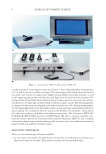
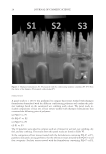
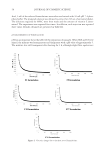
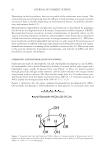
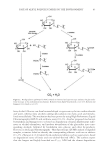
LUXURY CUES OF CREAM HEIGHTEN THE REWARD VALUE 83 task block and “post-Basic” task block). A black screen was shown for 45 s after each task block to indicate a reset and for 5 s before the fi rst task block. During the second session, information on each cream was provided. The information consisted of a word represent- ing the cream (“Luxury cream” or “Basic cream”), a photo of the cream’s case (a glass or plastic container) in a gray square, a statement of the intended effect of the cream (“make your skin soft and smooth” or “make your skin moist”), and price (¥20,000 or ¥2,000) written on a black background. For the fi rst and third sessions, a gray square on a black background was shown as a visual control. Visual stimuli were projected onto a display mounted in goggles attached to the participant’s head (Figure 1). Figure 1. The three sessions of the study. In the second session, participants were given product information visually during the massage. In the fi rst and third sessions, participants were given the same view without the product information.
Purchased for the exclusive use of nofirst nolast (unknown)
From: SCC Media Library & Resource Center (library.scconline.org)